Blab News
Arizona F-16 Instructor Retired Amid Pilot Shortage Crisis
When Lieutenant Colonel Stephen Pinchak, a 28‑year veteran of the Arizona Air National Guard, learned that his mandatory separation date was final, the ripple it would cause was already being felt across the 162d Wing.
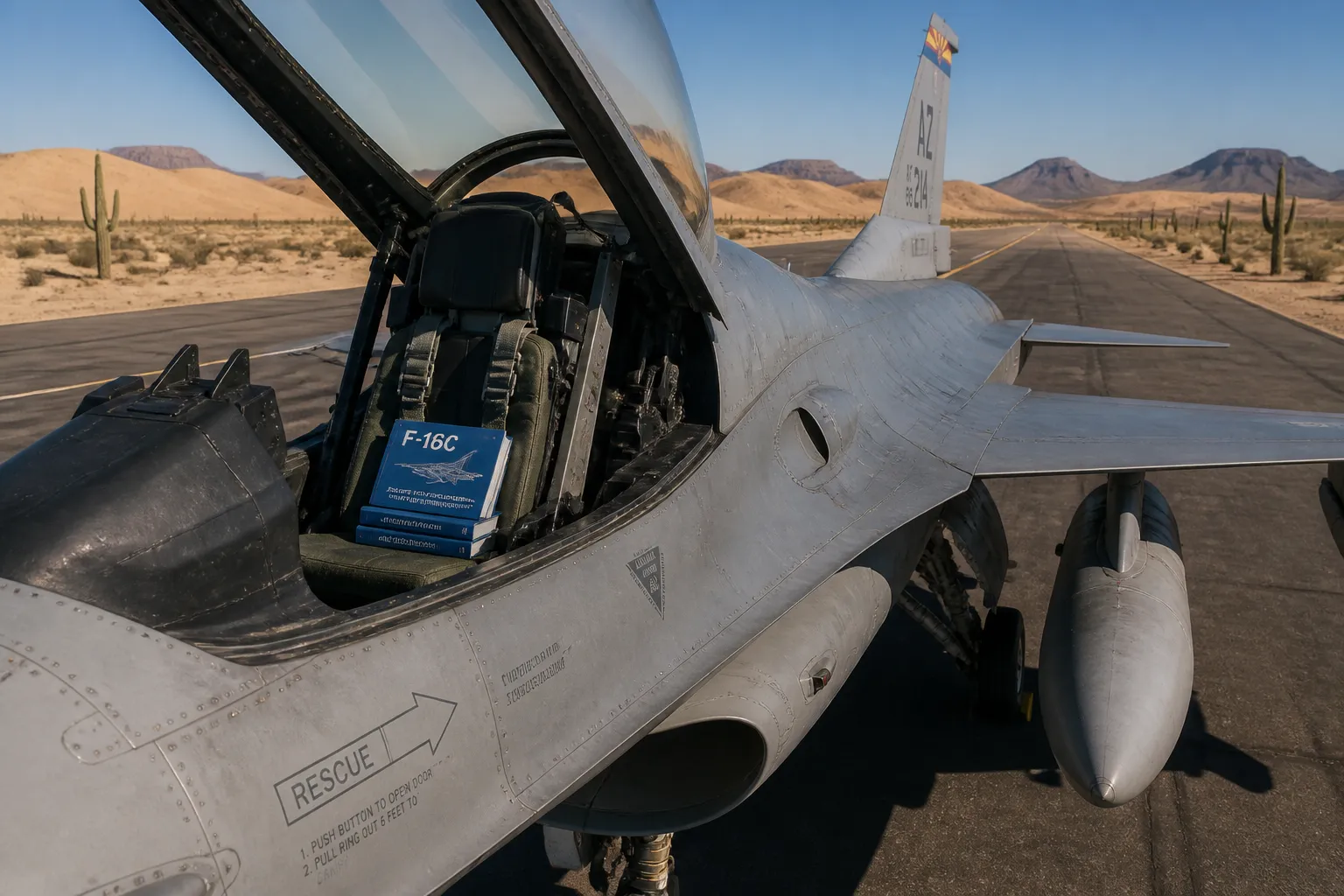
Pinchak had spent nearly three decades teaching the F‑16 Fighting Falcon as a Drill‑Status Guardman. He maintained a perfect fitness score for four straight years and completed every required check‑ride. In November 2024 he submitted a formal request to extend his mandatory separation date, citing 10 U.S.C. § 14701 and DoD Instruction 1320.08 and attaching a performance history that highlighted the Air Force’s publicly acknowledged shortage of F‑16 instructors.
The Air Force has long reported a persistent pilot shortage. Last year, more than 1,000 fighter pilots were short of the authorized strength, and the deficit was especially pronounced for F‑16 instructors. Training an instructor costs over $25 million and takes seven years. Full‑time pilots receive substantial bonuses, whereas Drill‑Status Guardmen are paid only for the days they fly and train, earning less than one‑fifth of a full‑time pilot’s salary.
In March 2025, the Adjutant General of Arizona and the National Guard Bureau’s Director of the ANG signed a one‑line denial of Pinchak’s extension request. The decision offered no reasons, findings, or an opportunity for rebuttal. The denial triggered a cascade of administrative actions: on 2 June 2025 Pinchak was notified that he could no longer drill or receive payment; on 18 July 2025 his Air Force email and other cyber credentials were disabled; the next day his family’s TRICARE coverage was retroactively terminated from 31 May 2025. Six days later, the Department of the Army Office of Inspector General opened a reprisal case against him.
Pinchak’s experience is not isolated. The Walk The Talk Foundation reports that the 162d Wing’s manpower data revealed a significant gap. An initial report from 1 March 2025 listed 29 authorized and 24 assigned F‑16 instructor pilots. After Pinchak raised questions, a revised memo on 15 April 2025 reported 82 authorized and 46 assigned, indicating the wing operated at about 56 % of its authorized instructor‑pilot capacity.
The shortfall has tangible operational consequences. A 12 March 2025 memorandum from Air Education and Training Command documented 96 unfilled F‑16 Formal Training Unit requirements for fiscal year 2026 and 107 for fiscal year 2027. The 162d Operations Group’s flight schedules showed 30 of 106 sorties cancelled in a single week of February 2025 due to lack of instructors—a 28 % loss rate. In September 2025, 33–50 % of mission flights were unscheduled. In 2025, the Weapons and Tactics office of the 162d OG/195 Fighter Squadron reported 1,316 cancellations out of 6,518 scheduled missions, a 20.2 % cancellation rate.
Despite these shortages, the wing granted extensions to other F‑16 instructors while denying Pinchak’s request. The Wing cited a force‑management plan that had anticipated his retirement at the MSD and claimed new pilot recruitment did not account for his retention. Pinchak’s petition to the Air Force Board for Correction of Military Records is in preparation, seeking rescission of the separation, extension of the MSD, restoration of pay and benefits, reinstatement of flying status, removal from a “non‑retain” list, and referral of disparate‑treatment allegations to the Air Force Equal Opportunity machinery.
The case highlights a potential disconnect between the Air Force’s stated need for experienced instructors and its personnel policies. If the Air Force’s shortage of F‑16 instructors is accurate, the denial of an extension for a seasoned instructor could undermine readiness and place additional strain on existing pilots. The outcome of Pinchak’s appeal and any subsequent investigations will determine whether the ANG and the Air Force will adjust their approach to retaining qualified instructors amid a broader pilot shortage.
The situation remains unresolved. Pinchak’s appeal is pending, and the Department of the Army Office of Inspector General has opened a reprisal investigation. The Air Force has not yet issued a public statement on the matter.
Pinchak had spent nearly three decades teaching the F‑16 Fighting Falcon as a Drill‑Status Guardman. He maintained a perfect fitness score for four straight years and completed every required check‑ride. In November 2024 he submitted a formal request to extend his mandatory separation date, citing 10 U.S.C. § 14701 and DoD Instruction 1320.08 and attaching a performance history that highlighted the Air Force’s publicly acknowledged shortage of F‑16 instructors.
The Air Force has long reported a persistent pilot shortage. Last year, more than 1,000 fighter pilots were short of the authorized strength, and the deficit was especially pronounced for F‑16 instructors. Training an instructor costs over $25 million and takes seven years. Full‑time pilots receive substantial bonuses, whereas Drill‑Status Guardmen are paid only for the days they fly and train, earning less than one‑fifth of a full‑time pilot’s salary.
In March 2025, the Adjutant General of Arizona and the National Guard Bureau’s Director of the ANG signed a one‑line denial of Pinchak’s extension request. The decision offered no reasons, findings, or an opportunity for rebuttal. The denial triggered a cascade of administrative actions: on 2 June 2025 Pinchak was notified that he could no longer drill or receive payment; on 18 July 2025 his Air Force email and other cyber credentials were disabled; the next day his family’s TRICARE coverage was retroactively terminated from 31 May 2025. Six days later, the Department of the Army Office of Inspector General opened a reprisal case against him.
Pinchak’s experience is not isolated. The Walk The Talk Foundation reports that the 162d Wing’s manpower data revealed a significant gap. An initial report from 1 March 2025 listed 29 authorized and 24 assigned F‑16 instructor pilots. After Pinchak raised questions, a revised memo on 15 April 2025 reported 82 authorized and 46 assigned, indicating the wing operated at about 56 % of its authorized instructor‑pilot capacity.
The shortfall has tangible operational consequences. A 12 March 2025 memorandum from Air Education and Training Command documented 96 unfilled F‑16 Formal Training Unit requirements for fiscal year 2026 and 107 for fiscal year 2027. The 162d Operations Group’s flight schedules showed 30 of 106 sorties cancelled in a single week of February 2025 due to lack of instructors—a 28 % loss rate. In September 2025, 33–50 % of mission flights were unscheduled. In 2025, the Weapons and Tactics office of the 162d OG/195 Fighter Squadron reported 1,316 cancellations out of 6,518 scheduled missions, a 20.2 % cancellation rate.
Despite these shortages, the wing granted extensions to other F‑16 instructors while denying Pinchak’s request. The Wing cited a force‑management plan that had anticipated his retirement at the MSD and claimed new pilot recruitment did not account for his retention. Pinchak’s petition to the Air Force Board for Correction of Military Records is in preparation, seeking rescission of the separation, extension of the MSD, restoration of pay and benefits, reinstatement of flying status, removal from a “non‑retain” list, and referral of disparate‑treatment allegations to the Air Force Equal Opportunity machinery.
The case highlights a potential disconnect between the Air Force’s stated need for experienced instructors and its personnel policies. If the Air Force’s shortage of F‑16 instructors is accurate, the denial of an extension for a seasoned instructor could undermine readiness and place additional strain on existing pilots. The outcome of Pinchak’s appeal and any subsequent investigations will determine whether the ANG and the Air Force will adjust their approach to retaining qualified instructors amid a broader pilot shortage.
The situation remains unresolved. Pinchak’s appeal is pending, and the Department of the Army Office of Inspector General has opened a reprisal investigation. The Air Force has not yet issued a public statement on the matter.