Blab News
Defense Secretary Pete Hegseth Discusses Iran Deal and Strait of Hormuz on Face the Nation
On June 14, 2026, Secretary of Defense Pete Hegseth took the studio of CBS’s Face the Nation from Tennessee to address a quartet of high‑stakes topics: a prospective Iran accord, the strategic choke‑point of the Strait of Hormuz, America’s claim to energy independence, and the state of its munitions reserves.
He opened by asserting that the administration was poised to seal a new Iran agreement that very day. The proposal, he said, would hinge on performance: Iran would receive funds only after meeting concrete milestones, and the pact would embed verification mechanisms. However, no accord was signed on Sunday, and the specifics remained unconfirmed.
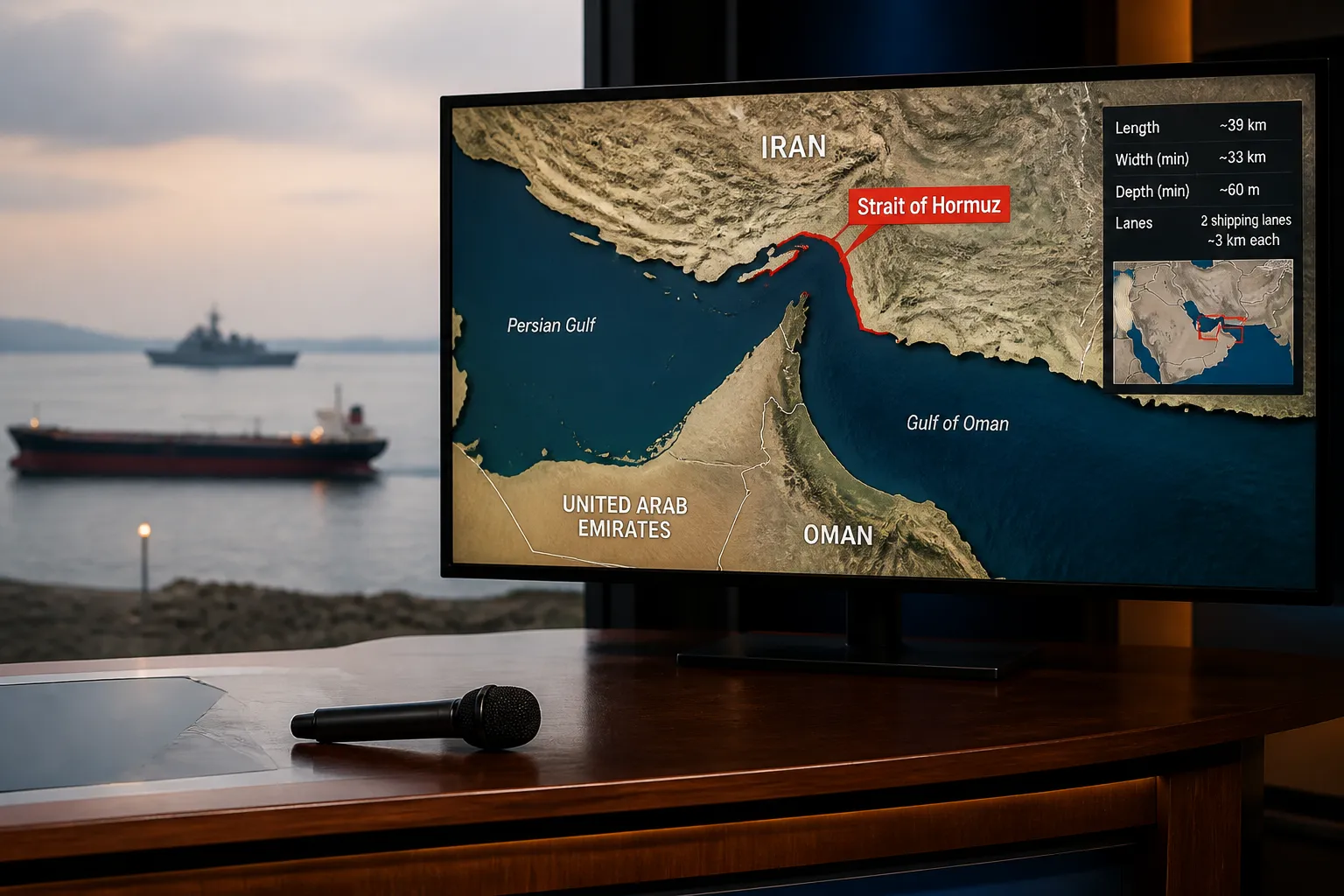
He went on to declare that the United States had maintained control of the Strait of Hormuz "all along" and that it would pressure Iran to reopen the passage "immediately and gradually." Host Margaret Brennan challenged the assertion, reminding viewers that the U.S. had never exercised direct control or used force to secure the strait. The exchange underscored the corridor’s vital role in global energy logistics.
He also claimed that America had achieved energy independence and was now a net exporter, suggesting that the shift had helped curb fuel prices. Brennan countered, noting that gasoline remains expensive and that the evidence for a price drop was lacking. The remark echoed the administration’s focus on domestic energy output.
On defense logistics, Hegseth declared that the U.S. possessed ample munitions reserves and that there was no crisis, promising the stockpiles would only swell. Brennan brought up worries about dwindling supplies and the necessity to replenish munitions expended in recent theaters. Hegseth dismissed the worries as a "manufactured story," citing his congressional testimony. The back‑and‑forth spotlighted the broader debate over defense readiness.
The interview unfolded in the aftermath of the U.S. exit from the Joint Comprehensive Plan of Action in 2018 and Iran’s announcement of terminating the accord in 2025. The administration has been courting a fresh strategy toward Tehran—offering sanctions relief in return for nuclear constraints. The dialogue exemplified the administration’s messaging tactics and the difficulty of translating policy into public discourse.
Viewers’ reactions were divided. Some applauded Hegseth for staunchly defending the administration’s stance, while others rebuked him for repeating unverified assertions. CBS News identified the interview as part of a wider media strategy aimed at shaping public perception of U.S. foreign policy. Analysts warned that the absence of a signed deal and the disputed claims could dent the administration’s credibility.
With negotiations still underway, the lack of a finalized accord and the contested statements from Hegseth illuminate the intricate dance of diplomacy. The administration is poised to keep emphasizing performance‑based agreements and built‑in verification. The landscape remains fluid, and additional twists are anticipated as talks progress.
He opened by asserting that the administration was poised to seal a new Iran agreement that very day. The proposal, he said, would hinge on performance: Iran would receive funds only after meeting concrete milestones, and the pact would embed verification mechanisms. However, no accord was signed on Sunday, and the specifics remained unconfirmed.
He went on to declare that the United States had maintained control of the Strait of Hormuz "all along" and that it would pressure Iran to reopen the passage "immediately and gradually." Host Margaret Brennan challenged the assertion, reminding viewers that the U.S. had never exercised direct control or used force to secure the strait. The exchange underscored the corridor’s vital role in global energy logistics.
He also claimed that America had achieved energy independence and was now a net exporter, suggesting that the shift had helped curb fuel prices. Brennan countered, noting that gasoline remains expensive and that the evidence for a price drop was lacking. The remark echoed the administration’s focus on domestic energy output.
On defense logistics, Hegseth declared that the U.S. possessed ample munitions reserves and that there was no crisis, promising the stockpiles would only swell. Brennan brought up worries about dwindling supplies and the necessity to replenish munitions expended in recent theaters. Hegseth dismissed the worries as a "manufactured story," citing his congressional testimony. The back‑and‑forth spotlighted the broader debate over defense readiness.
The interview unfolded in the aftermath of the U.S. exit from the Joint Comprehensive Plan of Action in 2018 and Iran’s announcement of terminating the accord in 2025. The administration has been courting a fresh strategy toward Tehran—offering sanctions relief in return for nuclear constraints. The dialogue exemplified the administration’s messaging tactics and the difficulty of translating policy into public discourse.
Viewers’ reactions were divided. Some applauded Hegseth for staunchly defending the administration’s stance, while others rebuked him for repeating unverified assertions. CBS News identified the interview as part of a wider media strategy aimed at shaping public perception of U.S. foreign policy. Analysts warned that the absence of a signed deal and the disputed claims could dent the administration’s credibility.
With negotiations still underway, the lack of a finalized accord and the contested statements from Hegseth illuminate the intricate dance of diplomacy. The administration is poised to keep emphasizing performance‑based agreements and built‑in verification. The landscape remains fluid, and additional twists are anticipated as talks progress.