Blab News
Federal Rule Requiring 80-Hour Work or Volunteer Activity Takes Effect for Medicaid Expansion Adults in 2027
On June 1, the Centers for Medicare & Medicaid Services (CMS) issued a final rule that will force roughly 18.5 million adults who received Medicaid through the Affordable Care Act’s expansion to prove they work, study, train, or serve the community for 80 hours a month. The rule, part of the 2025 One Big Beautiful Bill Act, takes effect for most states on January 1, 2027.
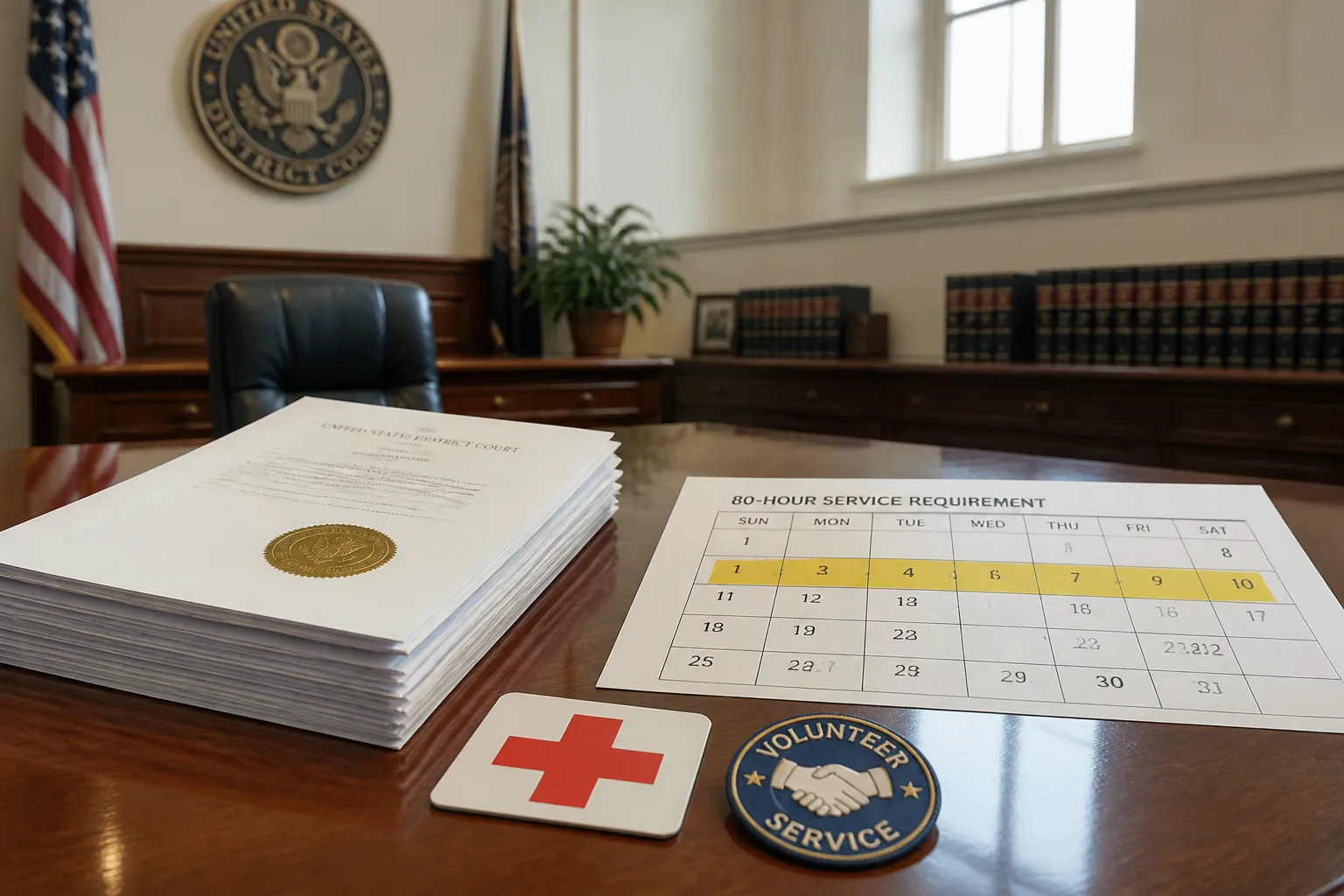
The mandate is straightforward: every month, an enrollee must log 80 hours of paid employment, half‑time educational coursework (six credit hours per semester), a job‑training program, or documented community service. If a beneficiary is employed, they must earn at least $580 a month, the amount that equals 80 hours at the federal minimum wage. Volunteer hours must be certified by a community organization.
CMS officials said the intent is to "turn this around" by focusing coverage on those who truly need it. The rule excludes children, pregnant people, and individuals with disabilities who receive Social Security payments, as well as people who are medically frail or too sick to work. However, the criteria for medical exemptions are stricter than many advocates expected. Beneficiaries must provide a statement from a medical professional, and states will determine the severity of the condition. The National Organization for Rare Disorders noted that a person considered medically frail in one state could be deemed not frail in another, potentially creating inconsistent coverage.
States are rolling out the rule in different ways. Nebraska began enforcement in May, Montana will start in July but will not cut coverage until October, and Arkansas will launch a "soft" program in July with no penalties until next year. Each state must also upgrade its IT systems and hire staff to track compliance without causing coverage loss for administrative reasons.
Verification can rely on existing data—unemployment, education, and employment records—to confirm that enrollees meet the 80‑hour requirement. If those records are unavailable, beneficiaries may self‑attest in 2027 and once in 2028. After that, states must obtain documentation such as pay stubs, medical records, or a doctor’s note. Researchers warn that the manual reporting burden could lead to coverage drop‑offs.
The rule also requires states to inform beneficiaries by mail, email, and a second method such as a text, phone call, or online notice. CMS officials said states could face financial penalties for incorrectly granting exemptions.
Beyond the administrative challenges, the rule’s implementation may affect the federal budget. The OBBBA includes a 12% cut to Medicaid spending, and the rule is part of a broader federal effort to reduce Medicaid enrollment among adults who are able to work. The act also expanded work requirements for SNAP recipients and increased federal funding for defense and immigration enforcement.
As states begin enforcement, the rule’s impact will become clearer. Beneficiaries are advised to keep their contact information current, monitor state communications, and seek assistance from local Medicaid offices if they are unsure whether they will be subject to the rule. State agencies, CMS, and advocacy groups will monitor implementation, and legal challenges may arise if beneficiaries believe they are incorrectly denied coverage.
In short, the 80‑hour work or volunteer requirement will affect millions of Medicaid expansion adults starting in 2027. While states are preparing to enforce the rule, the administrative burden and the strictness of medical exemptions raise concerns about coverage loss for vulnerable populations.
The mandate is straightforward: every month, an enrollee must log 80 hours of paid employment, half‑time educational coursework (six credit hours per semester), a job‑training program, or documented community service. If a beneficiary is employed, they must earn at least $580 a month, the amount that equals 80 hours at the federal minimum wage. Volunteer hours must be certified by a community organization.
CMS officials said the intent is to "turn this around" by focusing coverage on those who truly need it. The rule excludes children, pregnant people, and individuals with disabilities who receive Social Security payments, as well as people who are medically frail or too sick to work. However, the criteria for medical exemptions are stricter than many advocates expected. Beneficiaries must provide a statement from a medical professional, and states will determine the severity of the condition. The National Organization for Rare Disorders noted that a person considered medically frail in one state could be deemed not frail in another, potentially creating inconsistent coverage.
States are rolling out the rule in different ways. Nebraska began enforcement in May, Montana will start in July but will not cut coverage until October, and Arkansas will launch a "soft" program in July with no penalties until next year. Each state must also upgrade its IT systems and hire staff to track compliance without causing coverage loss for administrative reasons.
Verification can rely on existing data—unemployment, education, and employment records—to confirm that enrollees meet the 80‑hour requirement. If those records are unavailable, beneficiaries may self‑attest in 2027 and once in 2028. After that, states must obtain documentation such as pay stubs, medical records, or a doctor’s note. Researchers warn that the manual reporting burden could lead to coverage drop‑offs.
The rule also requires states to inform beneficiaries by mail, email, and a second method such as a text, phone call, or online notice. CMS officials said states could face financial penalties for incorrectly granting exemptions.
Beyond the administrative challenges, the rule’s implementation may affect the federal budget. The OBBBA includes a 12% cut to Medicaid spending, and the rule is part of a broader federal effort to reduce Medicaid enrollment among adults who are able to work. The act also expanded work requirements for SNAP recipients and increased federal funding for defense and immigration enforcement.
As states begin enforcement, the rule’s impact will become clearer. Beneficiaries are advised to keep their contact information current, monitor state communications, and seek assistance from local Medicaid offices if they are unsure whether they will be subject to the rule. State agencies, CMS, and advocacy groups will monitor implementation, and legal challenges may arise if beneficiaries believe they are incorrectly denied coverage.
In short, the 80‑hour work or volunteer requirement will affect millions of Medicaid expansion adults starting in 2027. While states are preparing to enforce the rule, the administrative burden and the strictness of medical exemptions raise concerns about coverage loss for vulnerable populations.