Blab News
U.S. and Iran Announce 60-Day Ceasefire, Lifting Blockade of Strait of Hormuz
On June 14, 2026, the world held its breath as the United States and Iran signed a 60‑day ceasefire that could reshape the geopolitics of the Persian Gulf. The agreement, a memorandum of understanding, was brokered by Pakistani Prime Minister Shehbaz Sharif and backed by Qatar, Egypt, Saudi Arabia, Turkey, and United Nations Secretary‑General Antonio Guterres. It replaces the two‑week truce that began on April 8.
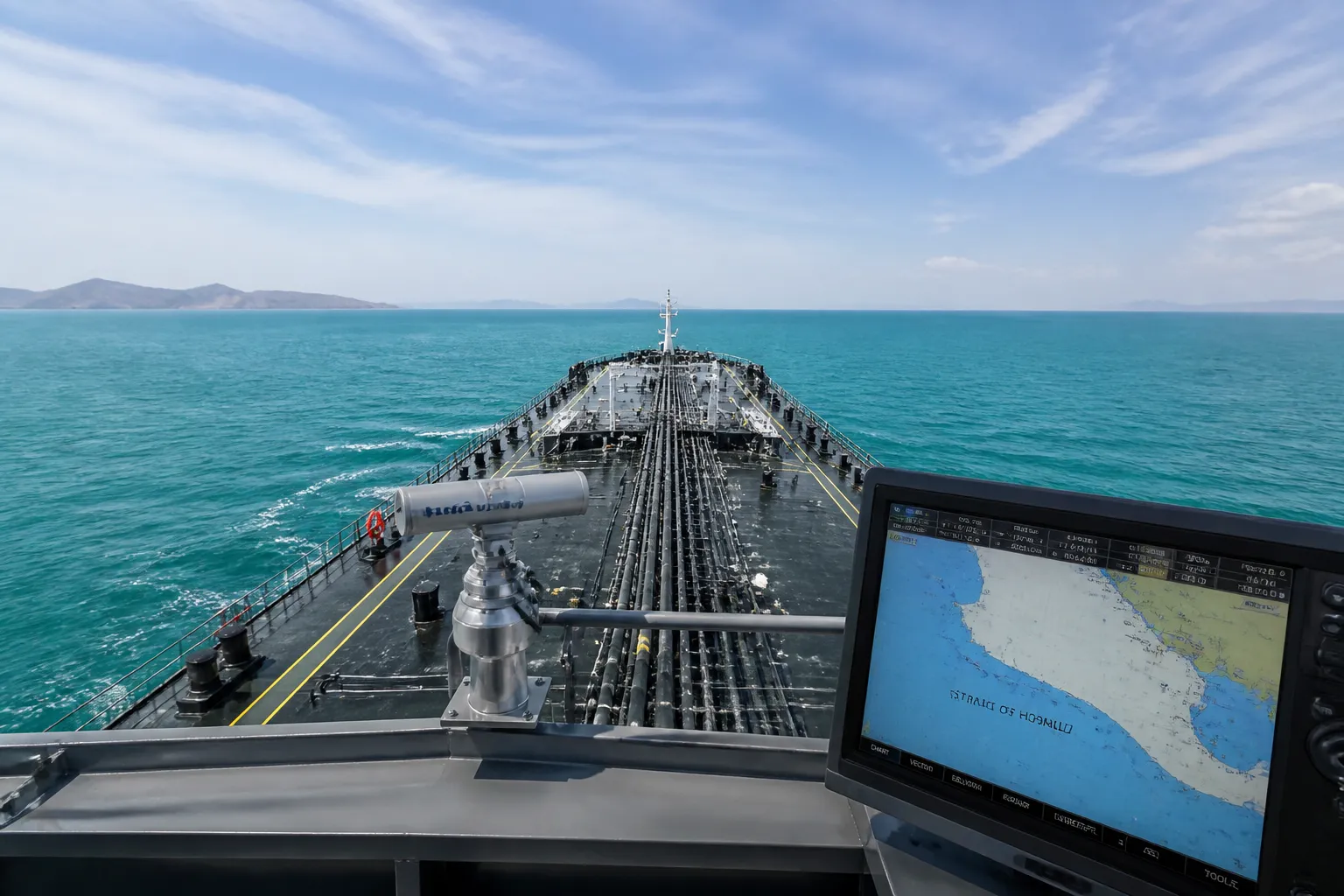
Under the new terms, Washington will lift its naval blockade of the Strait of Hormuz, a channel that had been closed for months, and Tehran will begin clearing mines from the waterway. The U.S. will grant Iran a 60‑day waiver of the U.S. embargo on oil exports, while Iran will suspend its toll on ships passing through Hormuz for the same period.
The ceasefire arrives amid a war that erupted in February 2026 after a joint U.S.–Israeli operation targeted Iranian leadership. The conflict has rattled global oil markets; the Cushing, Oklahoma, oil storage facility was reported to be emptying out last week, and Iran’s domestic oil production has fallen to its lowest level since the COVID‑19 pandemic. Trump posted on Truth Social that "Ships of the World, start your engines. Let the oil flow!" in reference to the expected reopening of the Strait.
Although the memorandum is not a final peace treaty, officials said it creates a 60‑day window to negotiate key issues, including limits on Iran’s nuclear program, the disposal of highly enriched uranium, sanctions relief, and the release of frozen Iranian assets. The agreement is similar in structure to President Barack Obama’s 2013 interim deal, which paved the way for the 2015 Joint Comprehensive Plan of Action, though the current deal is focused on ending the war that began in 2026.
The mediation effort has involved several regional actors. According to the U.N., Qatar, Egypt, Saudi Arabia, and Turkey assisted Pakistan in facilitating talks. The United Arab Emirates reportedly unfroze Iranian money held in Emirati banks as a goodwill gesture, although the Emirati government denied the claim. Trump and Sharif both described the agreement as a peace deal, with Trump stating on Truth Social that the "Great Deal will bring Peace and Security to the whole Region."
Domestic reactions in the United States have been mixed. Fox News host Mark Levin criticized the ceasefire, arguing that it would not disarm Iran’s missile arsenal. U.S. Vice‑President J.D. Vance told Fox News that Iran had been ready to launch missiles at Israel but had called off the attack under U.S. pressure. In Washington, Senator Jack Reed said the U.S. was receiving "basically less than what we had" under Obama’s deal, while Representative Seth Moulton called the memorandum a "surrender document from Donald Trump to the supreme leader of Iran."
Iranian officials and supporters have also expressed opposition. Right‑wing Member of Parliament Mahmoud Nabavian called the deal a "total loss" and warned that Iran would become a colony of the United States. A pro‑government rally in Tehran saw crowds chant "death to the compromiser" and demand the resignation of Foreign Minister Abbas Araghchi. In an attempt to embarrass negotiators, Iran’s Mehr News Agency leaked a copy of the memorandum, claiming that Iran would receive upfront sanctions relief and U.S. reparations without relinquishing control of Hormuz. Trump denounced the leak as "dishonorable" and said Iran had privately apologized for the false information.
The ceasefire does not resolve all outstanding disputes. The war in Lebanon, where Israeli forces are fighting the pro‑Iran militia Hezbollah, remains a flashpoint. After Hezbollah flew drones into northern Israel, the Israeli army bombed Beirut, killing three civilians. Iran threatened to launch missiles at Israel in response to Israeli actions in Lebanon, but called off the attack after U.S. pressure. Israeli Defense Minister Israel Katz said the army would remain in Lebanon "without any time limit" and would "strike Iran with full force" if Iran attacked Israel.
At present, the 60‑day ceasefire is in effect and the U.S. and Iran are preparing for a signing ceremony in Switzerland. The agreement does not guarantee a permanent settlement, and it is unclear what will happen if the 60‑day period expires without a final treaty. Both sides have indicated that they could extend the truce if negotiations stall. The next weeks will see whether the parties can move beyond the ceasefire and address the nuclear, sanctions, and regional security issues that remain.
The ceasefire marks a significant pause in a conflict that has drawn in regional powers and disrupted global oil supplies. While the deal does not end the war, it provides a framework for further negotiations and a temporary return to normal maritime traffic through the Strait of Hormuz.
Under the new terms, Washington will lift its naval blockade of the Strait of Hormuz, a channel that had been closed for months, and Tehran will begin clearing mines from the waterway. The U.S. will grant Iran a 60‑day waiver of the U.S. embargo on oil exports, while Iran will suspend its toll on ships passing through Hormuz for the same period.
The ceasefire arrives amid a war that erupted in February 2026 after a joint U.S.–Israeli operation targeted Iranian leadership. The conflict has rattled global oil markets; the Cushing, Oklahoma, oil storage facility was reported to be emptying out last week, and Iran’s domestic oil production has fallen to its lowest level since the COVID‑19 pandemic. Trump posted on Truth Social that "Ships of the World, start your engines. Let the oil flow!" in reference to the expected reopening of the Strait.
Although the memorandum is not a final peace treaty, officials said it creates a 60‑day window to negotiate key issues, including limits on Iran’s nuclear program, the disposal of highly enriched uranium, sanctions relief, and the release of frozen Iranian assets. The agreement is similar in structure to President Barack Obama’s 2013 interim deal, which paved the way for the 2015 Joint Comprehensive Plan of Action, though the current deal is focused on ending the war that began in 2026.
The mediation effort has involved several regional actors. According to the U.N., Qatar, Egypt, Saudi Arabia, and Turkey assisted Pakistan in facilitating talks. The United Arab Emirates reportedly unfroze Iranian money held in Emirati banks as a goodwill gesture, although the Emirati government denied the claim. Trump and Sharif both described the agreement as a peace deal, with Trump stating on Truth Social that the "Great Deal will bring Peace and Security to the whole Region."
Domestic reactions in the United States have been mixed. Fox News host Mark Levin criticized the ceasefire, arguing that it would not disarm Iran’s missile arsenal. U.S. Vice‑President J.D. Vance told Fox News that Iran had been ready to launch missiles at Israel but had called off the attack under U.S. pressure. In Washington, Senator Jack Reed said the U.S. was receiving "basically less than what we had" under Obama’s deal, while Representative Seth Moulton called the memorandum a "surrender document from Donald Trump to the supreme leader of Iran."
Iranian officials and supporters have also expressed opposition. Right‑wing Member of Parliament Mahmoud Nabavian called the deal a "total loss" and warned that Iran would become a colony of the United States. A pro‑government rally in Tehran saw crowds chant "death to the compromiser" and demand the resignation of Foreign Minister Abbas Araghchi. In an attempt to embarrass negotiators, Iran’s Mehr News Agency leaked a copy of the memorandum, claiming that Iran would receive upfront sanctions relief and U.S. reparations without relinquishing control of Hormuz. Trump denounced the leak as "dishonorable" and said Iran had privately apologized for the false information.
The ceasefire does not resolve all outstanding disputes. The war in Lebanon, where Israeli forces are fighting the pro‑Iran militia Hezbollah, remains a flashpoint. After Hezbollah flew drones into northern Israel, the Israeli army bombed Beirut, killing three civilians. Iran threatened to launch missiles at Israel in response to Israeli actions in Lebanon, but called off the attack after U.S. pressure. Israeli Defense Minister Israel Katz said the army would remain in Lebanon "without any time limit" and would "strike Iran with full force" if Iran attacked Israel.
At present, the 60‑day ceasefire is in effect and the U.S. and Iran are preparing for a signing ceremony in Switzerland. The agreement does not guarantee a permanent settlement, and it is unclear what will happen if the 60‑day period expires without a final treaty. Both sides have indicated that they could extend the truce if negotiations stall. The next weeks will see whether the parties can move beyond the ceasefire and address the nuclear, sanctions, and regional security issues that remain.
The ceasefire marks a significant pause in a conflict that has drawn in regional powers and disrupted global oil supplies. While the deal does not end the war, it provides a framework for further negotiations and a temporary return to normal maritime traffic through the Strait of Hormuz.