Blab News
U.S. and Iran Sign Memorandum to End 106-Day Conflict, Reopen Strait of Hormuz
On Sunday, the United States and the Islamic Republic of Iran announced that they will sign a memorandum of understanding (MOU) in Geneva on Friday, bringing an end to the 106‑day hostilities that began on February 28, 2026, after a joint U.S.–Israeli air campaign targeted Iranian military and nuclear sites.
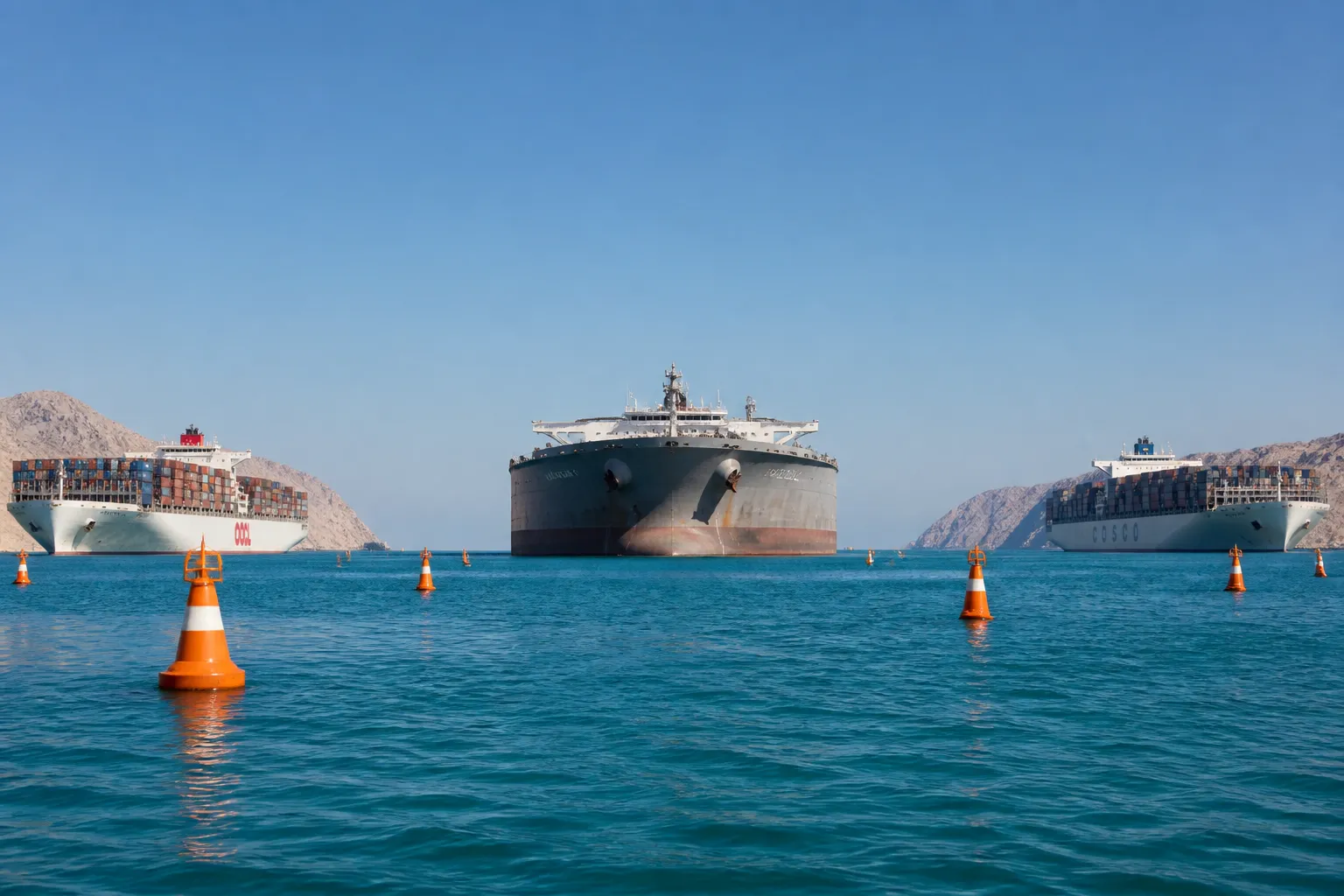
The agreement lifts the U.S. naval blockade of Iranian ports, reopens the Strait of Hormuz, and sets a 60‑day window for further talks on Iran’s nuclear program and sanctions relief. It follows months of fighting that escalated into a blockade of Iranian shipping and the closure of the strait—a chokepoint that carries roughly 20 million barrels of oil and a quarter of global liquefied natural gas each year.
The conflict had pushed Brent crude above $100 a barrel in March, peaking at $126, before falling to $83 immediately after the announcement. Global markets reacted quickly: stock indices worldwide, including the Korean bourses, rose as the strait reopened.
President Donald Trump posted on Truth Social that the deal was “complete” and congratulated all parties. Iranian Deputy Foreign Minister Kazem Gharibabadi said the war would end “immediately and permanently” and that the U.S. would lift the blockade on Friday. Pakistani Prime Minister Shehbaz Sharif, acting as mediator, also confirmed the agreement on X.
The MOU does not constitute a final peace treaty. It extends the existing ceasefire for 60 days, during which the two sides will negotiate limits on Iran’s nuclear enrichment, the disposal of highly enriched uranium, and the lifting of sanctions. The U.S. will also remove its naval blockade, allowing the strait to be cleared of mines and reopened to commercial shipping.
Reopening the strait is expected to stabilize global oil markets. South Korea, which imports roughly 70 % of its oil from the Middle East and 90 % of that oil through the strait, welcomed the development. The country had 24 ships and 137 sailors stranded in the strait during the blockade.
The war has also damaged Iran’s economy. The U.S. blockade cost Iran an estimated $500 million a day in 2026, and the U.S. Department of Defense estimated that Iran lost $4.8 billion in oil revenue by early May. The conflict has further weakened an already fragile economy, though Iran has shown resilience by maintaining control of the strait.
The MOU was negotiated with mediation from Pakistan and Qatar. Analysts note that the agreement is a significant step toward a lasting settlement, but many remain cautious. Some U.S. officials have questioned whether the deal will lead to a permanent end to the nuclear program, while Iranian officials have expressed skepticism about the U.S. commitment to lifting sanctions.
The U.S. and Iran have agreed to a 60‑day extension of the ceasefire, after a two‑week ceasefire in April that was repeatedly violated. The new MOU is expected to be signed in Switzerland on Friday. The U.S. will lift its naval blockade, and the Strait of Hormuz will be cleared of mines. The agreement also opens the door for the release of frozen Iranian assets and the removal of some sanctions.
The international community is watching closely. The reopening of the strait is expected to reduce oil price volatility and ease supply concerns for energy‑dependent countries. The U.S. and Iran will continue to negotiate on nuclear limits, and the outcome will have implications for regional security and global non‑proliferation efforts.
The next steps will include the formal signing of the MOU, the removal of mines from the strait, and the commencement of the 60‑day negotiation period. The United Nations and other international bodies are monitoring the situation, and the U.S. and Iran have pledged to keep the agreement in force until a final settlement is reached.
The agreement marks the closest the two countries have come to a peaceful resolution since the 1979 revolution. Whether it will lead to a lasting end to the conflict remains to be seen, but the immediate relief for global markets and the reopening of the Strait of Hormuz are clear outcomes of the current deal.
The agreement lifts the U.S. naval blockade of Iranian ports, reopens the Strait of Hormuz, and sets a 60‑day window for further talks on Iran’s nuclear program and sanctions relief. It follows months of fighting that escalated into a blockade of Iranian shipping and the closure of the strait—a chokepoint that carries roughly 20 million barrels of oil and a quarter of global liquefied natural gas each year.
The conflict had pushed Brent crude above $100 a barrel in March, peaking at $126, before falling to $83 immediately after the announcement. Global markets reacted quickly: stock indices worldwide, including the Korean bourses, rose as the strait reopened.
President Donald Trump posted on Truth Social that the deal was “complete” and congratulated all parties. Iranian Deputy Foreign Minister Kazem Gharibabadi said the war would end “immediately and permanently” and that the U.S. would lift the blockade on Friday. Pakistani Prime Minister Shehbaz Sharif, acting as mediator, also confirmed the agreement on X.
The MOU does not constitute a final peace treaty. It extends the existing ceasefire for 60 days, during which the two sides will negotiate limits on Iran’s nuclear enrichment, the disposal of highly enriched uranium, and the lifting of sanctions. The U.S. will also remove its naval blockade, allowing the strait to be cleared of mines and reopened to commercial shipping.
Reopening the strait is expected to stabilize global oil markets. South Korea, which imports roughly 70 % of its oil from the Middle East and 90 % of that oil through the strait, welcomed the development. The country had 24 ships and 137 sailors stranded in the strait during the blockade.
The war has also damaged Iran’s economy. The U.S. blockade cost Iran an estimated $500 million a day in 2026, and the U.S. Department of Defense estimated that Iran lost $4.8 billion in oil revenue by early May. The conflict has further weakened an already fragile economy, though Iran has shown resilience by maintaining control of the strait.
The MOU was negotiated with mediation from Pakistan and Qatar. Analysts note that the agreement is a significant step toward a lasting settlement, but many remain cautious. Some U.S. officials have questioned whether the deal will lead to a permanent end to the nuclear program, while Iranian officials have expressed skepticism about the U.S. commitment to lifting sanctions.
The U.S. and Iran have agreed to a 60‑day extension of the ceasefire, after a two‑week ceasefire in April that was repeatedly violated. The new MOU is expected to be signed in Switzerland on Friday. The U.S. will lift its naval blockade, and the Strait of Hormuz will be cleared of mines. The agreement also opens the door for the release of frozen Iranian assets and the removal of some sanctions.
The international community is watching closely. The reopening of the strait is expected to reduce oil price volatility and ease supply concerns for energy‑dependent countries. The U.S. and Iran will continue to negotiate on nuclear limits, and the outcome will have implications for regional security and global non‑proliferation efforts.
The next steps will include the formal signing of the MOU, the removal of mines from the strait, and the commencement of the 60‑day negotiation period. The United Nations and other international bodies are monitoring the situation, and the U.S. and Iran have pledged to keep the agreement in force until a final settlement is reached.
The agreement marks the closest the two countries have come to a peaceful resolution since the 1979 revolution. Whether it will lead to a lasting end to the conflict remains to be seen, but the immediate relief for global markets and the reopening of the Strait of Hormuz are clear outcomes of the current deal.