Blab News
US and Iran Reach Initial Ceasefire Extension Amid Ongoing Israel-Hezbollah Conflict
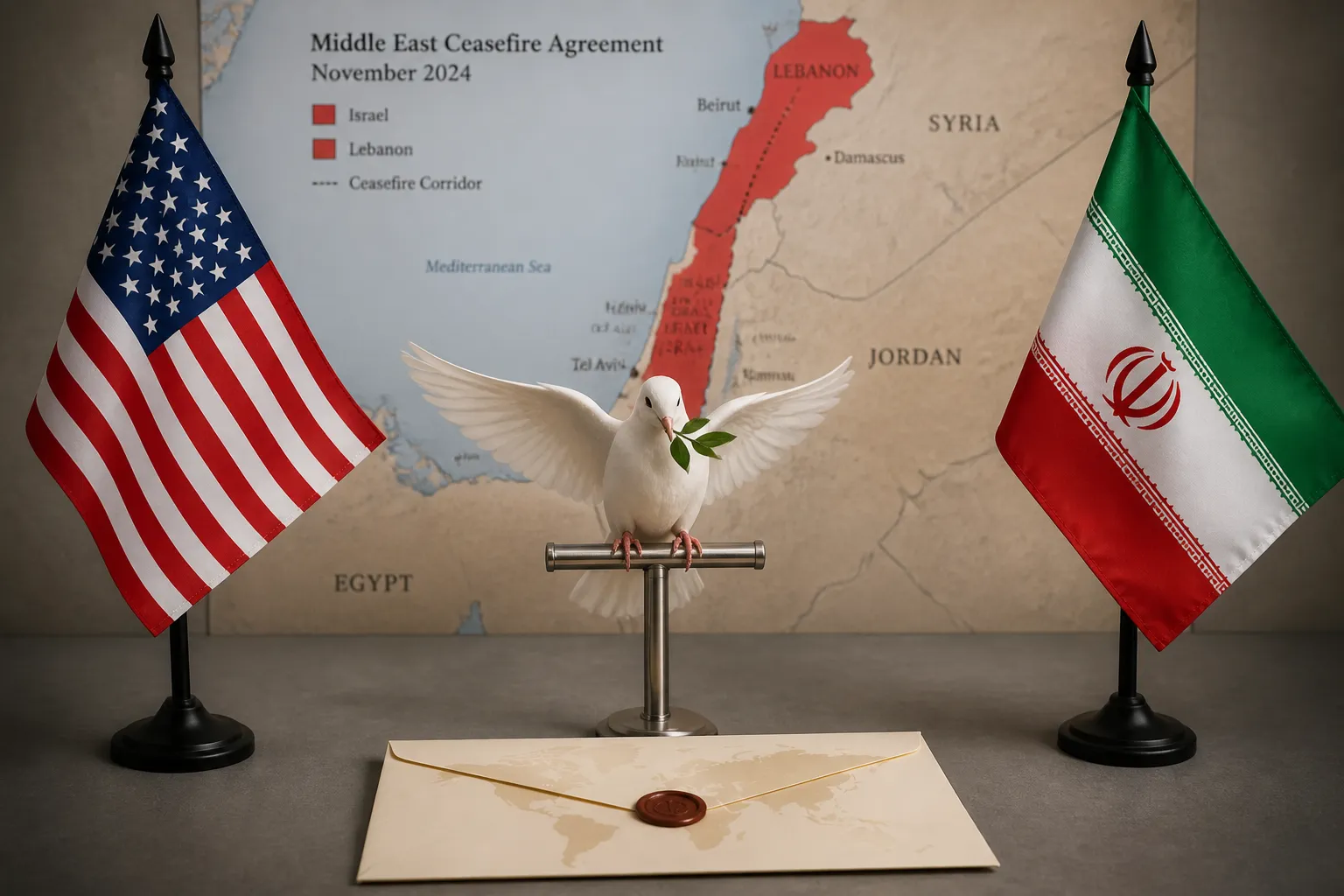
On Monday, June 18 2026, the United States and Iran quietly announced an initial ceasefire extension that could open the Strait of Hormuz once again to the world’s shipping lanes.
The agreement, still pending formal signing, was negotiated under Pakistan’s mediation and is slated to be signed on Friday in Switzerland. It follows a 60‑day ceasefire extension publicly declared on June 14 after a Doha meeting mediated by Pakistan and Qatar. The memorandum of understanding—though not a final peace treaty—was intended to create a window for further talks on Iran’s nuclear program, the disposal of highly enriched uranium, sanctions relief, and the release of frozen Iranian assets. The United States lifted its naval blockade of the Strait of Hormuz, which had been closed for most of the war, and agreed that the waterway would be cleared of mines and reopened to commercial shipping.
The deal faces immediate challenges. Israel, which joined the United States in launching a joint attack on Iran on February 28, 2026, has insisted it will retain control over territory it seized in Lebanon during its ongoing campaign against the Iranian‑backed militia Hezbollah. According to reports, Israeli forces bombed the southern suburbs of Beirut on Sunday, June 13, a move that nearly derailed the ceasefire negotiations. A source familiar with the talks said, “Israel’s continued hostilities with Hezbollah in Lebanon, where Israel bombed Beirut’s southern suburbs Sunday, nearly derailed the negotiations.” The Israeli position reflects a broader strategy to secure gains in Lebanon while maintaining pressure on Iran.
The Strait of Hormuz has long been a strategic choke point, carrying about 20 % of the world’s liquefied natural gas and 25 % of seaborne oil trade. Its closure during the 2026 Iran war disrupted global energy supplies and raised concerns about market volatility. The reopening of the strait is therefore a significant development for international shipping and energy security.
The United States and Iran’s ceasefire extension is part of a broader diplomatic effort to stabilize the region after the war that began with the U.S. and Israel’s coordinated attacks on Iranian targets. The war has involved air strikes on Iranian cities, missile exchanges, and a naval blockade that threatened to cut off Iranian oil exports.
Implementation of the memorandum is contingent on a formal signing ceremony, which officials say will take place on Friday in Switzerland. Until the agreement is signed, the United States has indicated that it will not resume hostilities, but it has also warned that it will remain prepared to defend its interests.
The deal’s terms remain largely undisclosed. While the reopening of the Strait of Hormuz and the lifting of the naval blockade are clear outcomes, other details—such as the exact scope of sanctions relief and the timeline for nuclear negotiations—have not yet been released.
The situation remains fluid. Israel’s operations in Lebanon continue, and Hezbollah has maintained a strong presence in southern Lebanon. The United States and Iran are also engaged in ongoing diplomatic efforts to address the broader security and economic implications of the conflict.
In the coming days, observers will watch whether the scheduled signing in Switzerland proceeds as planned and whether the parties can resolve the remaining issues that threaten to stall the agreement. The international community, particularly oil-importing nations, will be closely monitoring the Strait of Hormuz’s status and the broader diplomatic trajectory of the U.S.–Iran relationship.
The current state of affairs is that the ceasefire extension has been announced, the Strait of Hormuz is set to reopen, and the formal signing is pending. Key questions remain about the depth of sanctions relief, the future of Iran’s nuclear program, and the resolution of Israel’s territorial claims in Lebanon. The next few weeks will be critical in determining whether the initial agreement can evolve into a comprehensive settlement.
The agreement, still pending formal signing, was negotiated under Pakistan’s mediation and is slated to be signed on Friday in Switzerland. It follows a 60‑day ceasefire extension publicly declared on June 14 after a Doha meeting mediated by Pakistan and Qatar. The memorandum of understanding—though not a final peace treaty—was intended to create a window for further talks on Iran’s nuclear program, the disposal of highly enriched uranium, sanctions relief, and the release of frozen Iranian assets. The United States lifted its naval blockade of the Strait of Hormuz, which had been closed for most of the war, and agreed that the waterway would be cleared of mines and reopened to commercial shipping.
The deal faces immediate challenges. Israel, which joined the United States in launching a joint attack on Iran on February 28, 2026, has insisted it will retain control over territory it seized in Lebanon during its ongoing campaign against the Iranian‑backed militia Hezbollah. According to reports, Israeli forces bombed the southern suburbs of Beirut on Sunday, June 13, a move that nearly derailed the ceasefire negotiations. A source familiar with the talks said, “Israel’s continued hostilities with Hezbollah in Lebanon, where Israel bombed Beirut’s southern suburbs Sunday, nearly derailed the negotiations.” The Israeli position reflects a broader strategy to secure gains in Lebanon while maintaining pressure on Iran.
The Strait of Hormuz has long been a strategic choke point, carrying about 20 % of the world’s liquefied natural gas and 25 % of seaborne oil trade. Its closure during the 2026 Iran war disrupted global energy supplies and raised concerns about market volatility. The reopening of the strait is therefore a significant development for international shipping and energy security.
The United States and Iran’s ceasefire extension is part of a broader diplomatic effort to stabilize the region after the war that began with the U.S. and Israel’s coordinated attacks on Iranian targets. The war has involved air strikes on Iranian cities, missile exchanges, and a naval blockade that threatened to cut off Iranian oil exports.
Implementation of the memorandum is contingent on a formal signing ceremony, which officials say will take place on Friday in Switzerland. Until the agreement is signed, the United States has indicated that it will not resume hostilities, but it has also warned that it will remain prepared to defend its interests.
The deal’s terms remain largely undisclosed. While the reopening of the Strait of Hormuz and the lifting of the naval blockade are clear outcomes, other details—such as the exact scope of sanctions relief and the timeline for nuclear negotiations—have not yet been released.
The situation remains fluid. Israel’s operations in Lebanon continue, and Hezbollah has maintained a strong presence in southern Lebanon. The United States and Iran are also engaged in ongoing diplomatic efforts to address the broader security and economic implications of the conflict.
In the coming days, observers will watch whether the scheduled signing in Switzerland proceeds as planned and whether the parties can resolve the remaining issues that threaten to stall the agreement. The international community, particularly oil-importing nations, will be closely monitoring the Strait of Hormuz’s status and the broader diplomatic trajectory of the U.S.–Iran relationship.
The current state of affairs is that the ceasefire extension has been announced, the Strait of Hormuz is set to reopen, and the formal signing is pending. Key questions remain about the depth of sanctions relief, the future of Iran’s nuclear program, and the resolution of Israel’s territorial claims in Lebanon. The next few weeks will be critical in determining whether the initial agreement can evolve into a comprehensive settlement.