Blab News
US and Iran Sign Preliminary Deal to End War, Reopen Strait of Hormuz
On June 15 2026, Washington and Tehran announced a preliminary ceasefire that would bring an end to the four‑month conflict that began in February. The agreement, brokered by Pakistan, calls for a memorandum of understanding (MoU) to be signed in Switzerland on Friday, after which the ceasefire will be formally documented and its terms made public.
The MoU demands an immediate and permanent halt to all military operations on both sides. Pakistani Prime Minister Shehbaz Sharif said the ceasefire covers every front, including Lebanon. Iran’s Supreme National Security Council confirmed that hostilities would cease permanently on Monday night. Israeli Defence Minister Israel Katz stated that the Israeli military would maintain its security zones in Lebanon, Syria and Gaza, while U.S. President Donald Trump pledged to bring peace to the region and to stop further Israeli attacks on Lebanon.
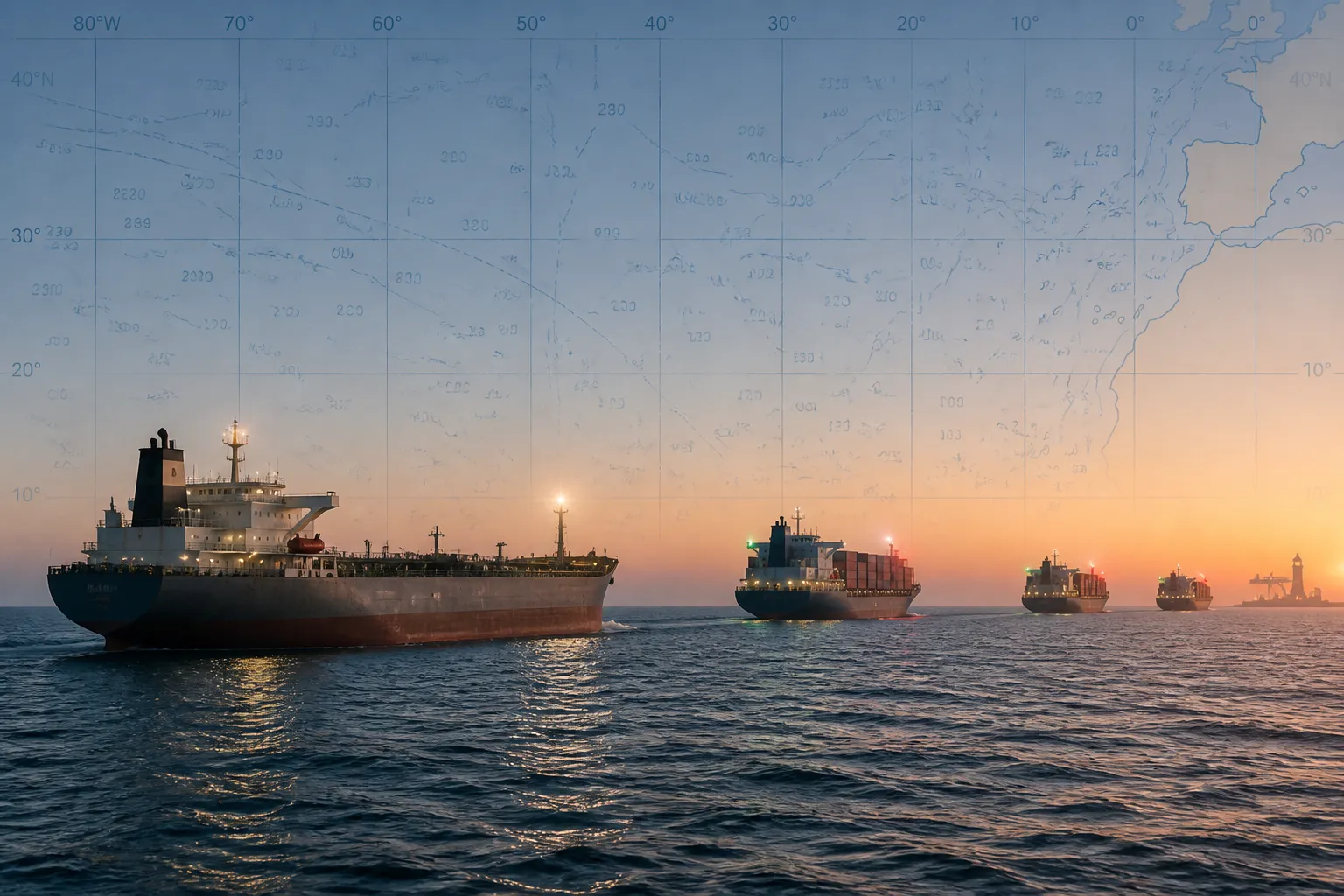
A cornerstone of the deal is the reopening of the Strait of Hormuz. Trump announced that the strait would be open to all commercial vessels on Friday, and that the U.S. blockade on Iranian ports would lift immediately after the MoU is signed. A senior Iranian official confirmed that the strait would be regulated by Iran in coordination with Oman. The U.S. blockade, which had been in place since the war’s outset, will be removed as soon as the memorandum is executed.
On the nuclear front, both parties agreed that Tehran would not produce or acquire nuclear weapons. Iranian officials said the country would freeze enrichment activities and refrain from expanding nuclear facilities pending a final agreement. The U.S. stated it would not rush to extract Iran’s stockpile of highly enriched uranium, instead planning to retrieve it when conditions are calm. Trump also said the U.S. would impose a strong inspections regime, though he did not detail the scope. U.S. Senator Lindsey Graham noted that any final nuclear deal would require congressional approval.
The agreement also tackles sanctions and financial matters. The U.S. pledged not to impose new sanctions until a final deal is reached and to waive oil sanctions for a specified period. It will release $25 billion of Iran’s frozen assets through direct cash transfers, regional cooperation, and credit lines. Washington, together with its allies, will prepare a reconstruction and development plan for Iran to be negotiated within 60 days. Trump said Iran would not receive cash directly, but sanctions could be lifted.
The MoU sets a 60‑day window for further negotiations on the most difficult issues, including limits on Iran’s nuclear program, the disposal of highly enriched uranium, sanctions relief, and the release of frozen assets. The deal is described as a 60‑day extension of the existing ceasefire rather than a final peace treaty.
The immediate effect of the agreement is the lifting of the naval blockade and the reopening of the Strait of Hormuz, which will restore shipping lanes for global oil and LNG flows. Over the next two months, the parties will negotiate the long‑term trajectory of Iran’s nuclear program and the timeline for sanctions relief. The agreement remains subject to verification, congressional oversight, and international monitoring. The international community watches as the U.S. and Iran transition from a ceasefire to a comprehensive settlement.
The MoU demands an immediate and permanent halt to all military operations on both sides. Pakistani Prime Minister Shehbaz Sharif said the ceasefire covers every front, including Lebanon. Iran’s Supreme National Security Council confirmed that hostilities would cease permanently on Monday night. Israeli Defence Minister Israel Katz stated that the Israeli military would maintain its security zones in Lebanon, Syria and Gaza, while U.S. President Donald Trump pledged to bring peace to the region and to stop further Israeli attacks on Lebanon.
A cornerstone of the deal is the reopening of the Strait of Hormuz. Trump announced that the strait would be open to all commercial vessels on Friday, and that the U.S. blockade on Iranian ports would lift immediately after the MoU is signed. A senior Iranian official confirmed that the strait would be regulated by Iran in coordination with Oman. The U.S. blockade, which had been in place since the war’s outset, will be removed as soon as the memorandum is executed.
On the nuclear front, both parties agreed that Tehran would not produce or acquire nuclear weapons. Iranian officials said the country would freeze enrichment activities and refrain from expanding nuclear facilities pending a final agreement. The U.S. stated it would not rush to extract Iran’s stockpile of highly enriched uranium, instead planning to retrieve it when conditions are calm. Trump also said the U.S. would impose a strong inspections regime, though he did not detail the scope. U.S. Senator Lindsey Graham noted that any final nuclear deal would require congressional approval.
The agreement also tackles sanctions and financial matters. The U.S. pledged not to impose new sanctions until a final deal is reached and to waive oil sanctions for a specified period. It will release $25 billion of Iran’s frozen assets through direct cash transfers, regional cooperation, and credit lines. Washington, together with its allies, will prepare a reconstruction and development plan for Iran to be negotiated within 60 days. Trump said Iran would not receive cash directly, but sanctions could be lifted.
The MoU sets a 60‑day window for further negotiations on the most difficult issues, including limits on Iran’s nuclear program, the disposal of highly enriched uranium, sanctions relief, and the release of frozen assets. The deal is described as a 60‑day extension of the existing ceasefire rather than a final peace treaty.
The immediate effect of the agreement is the lifting of the naval blockade and the reopening of the Strait of Hormuz, which will restore shipping lanes for global oil and LNG flows. Over the next two months, the parties will negotiate the long‑term trajectory of Iran’s nuclear program and the timeline for sanctions relief. The agreement remains subject to verification, congressional oversight, and international monitoring. The international community watches as the U.S. and Iran transition from a ceasefire to a comprehensive settlement.