Blab News
USDOT Unveils American Supply Chain Sovereignty Initiative to Boost Port Efficiency
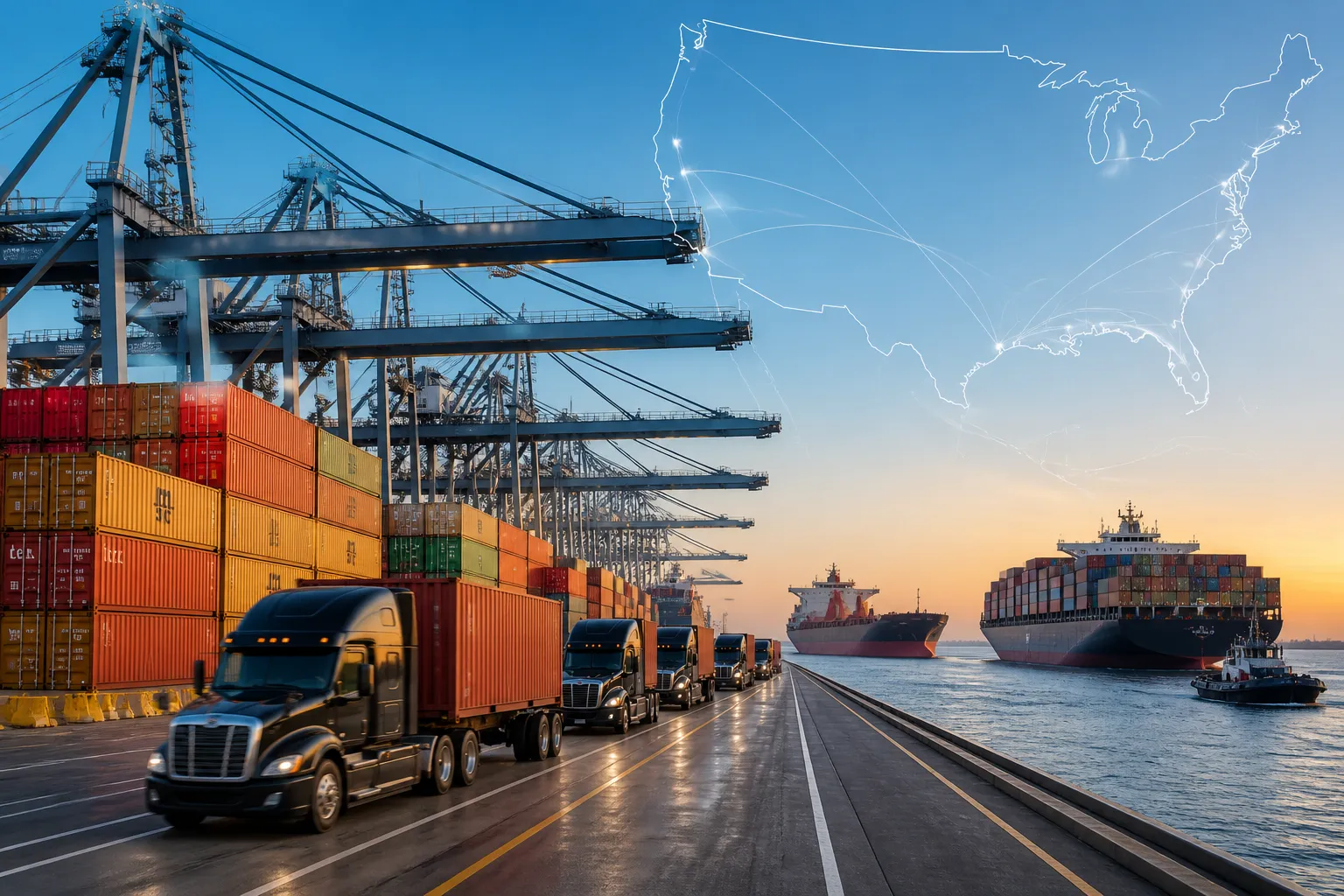
On June 15, 2026, the Port of Los Angeles pulsed with a new vision for American logistics as the U.S. Department of Transportation (USDOT) announced the American Supply Chain Sovereignty Initiative. During the port’s busy terminal, Secretary Sean Duffy outlined a plan to launch a high‑visibility dashboard that would weave together major ports, ocean carriers, trucking fleets, rail operators, and retailers such as Walmart.
The dashboard promises real‑time insight into freight movements across the nation’s intermodal network. USDOT officials said the platform would "accelerate cargo processing, lower logistics costs and empower America’s transportation workforce." By offering role‑based access, the system will let users view only the data that matters to their operations while safeguarding sensitive information. The initiative builds on the 2022 Freight Logistic Optimization Works (FLOW) program and dovetails with the 2026 National Freight Strategic Plan released in May.
To secure a steady funding stream, Duffy urged Congress to embed authorization for the dashboard in this year’s National Defense Authorization Act (NDAA). The NDAA, which sets the federal defense budget and policy, is a common vehicle for new infrastructure and technology projects. If the legislature approves, USDOT will have the authority to develop and maintain the platform, ensuring the initiative can move from planning to execution without funding delays.
The project is a direct response to the chronic bottlenecks that plague the country’s busiest ports. The Port of Los Angeles, paired with the adjacent Port of Long Beach, has long been cited by the World Bank and IHS Markit as among the world’s least efficient. Limited automation and fragmented data systems have kept cargo moving slower than it could. By linking port operators with downstream carriers and retailers, the dashboard is expected to streamline scheduling, cut dwell times, and improve coordination across the supply chain.
Beyond the docks, the platform will connect trucking fleets, rail operators, and retail distribution networks. Retailers such as Walmart, which depend on timely deliveries of consumer goods, will gain clearer visibility into freight status and potential delays. Ocean carriers will also be able to adjust vessel schedules and routing in response to real‑time port congestion, creating a more responsive and resilient freight ecosystem.
This emphasis on visibility and data sharing reflects a broader shift toward digital transformation in freight logistics. While the USDOT has long tracked supply‑chain indicators through its Transportation Supply Chain Indicators Tracker, the dashboard represents a more granular, real‑time approach. The department’s interagency working group, led by the Bureau of Transportation Statistics, has been gathering timely information on supply‑chain activity, and the new platform will be a key component of that effort.
The American Supply Chain Sovereignty Initiative remains in the planning phase. No launch date has been announced, and the scope of the dashboard’s features is still under development. USDOT has not released a detailed budget or timeline, but the alignment with the 2026 National Freight Strategic Plan and the request for NDAA authorization suggest the department intends to move quickly once legislative support is secured.
In short, USDOT’s initiative seeks to create a unified, high‑visibility platform that connects ports, carriers, and retailers across the United States. By improving data transparency and coordination, the project aims to reduce cargo processing times, lower logistics costs, and strengthen the national transportation workforce. The next steps involve congressional authorization, detailed design of the dashboard, and close coordination with industry stakeholders to ensure the system meets operational needs.
The dashboard promises real‑time insight into freight movements across the nation’s intermodal network. USDOT officials said the platform would "accelerate cargo processing, lower logistics costs and empower America’s transportation workforce." By offering role‑based access, the system will let users view only the data that matters to their operations while safeguarding sensitive information. The initiative builds on the 2022 Freight Logistic Optimization Works (FLOW) program and dovetails with the 2026 National Freight Strategic Plan released in May.
To secure a steady funding stream, Duffy urged Congress to embed authorization for the dashboard in this year’s National Defense Authorization Act (NDAA). The NDAA, which sets the federal defense budget and policy, is a common vehicle for new infrastructure and technology projects. If the legislature approves, USDOT will have the authority to develop and maintain the platform, ensuring the initiative can move from planning to execution without funding delays.
The project is a direct response to the chronic bottlenecks that plague the country’s busiest ports. The Port of Los Angeles, paired with the adjacent Port of Long Beach, has long been cited by the World Bank and IHS Markit as among the world’s least efficient. Limited automation and fragmented data systems have kept cargo moving slower than it could. By linking port operators with downstream carriers and retailers, the dashboard is expected to streamline scheduling, cut dwell times, and improve coordination across the supply chain.
Beyond the docks, the platform will connect trucking fleets, rail operators, and retail distribution networks. Retailers such as Walmart, which depend on timely deliveries of consumer goods, will gain clearer visibility into freight status and potential delays. Ocean carriers will also be able to adjust vessel schedules and routing in response to real‑time port congestion, creating a more responsive and resilient freight ecosystem.
This emphasis on visibility and data sharing reflects a broader shift toward digital transformation in freight logistics. While the USDOT has long tracked supply‑chain indicators through its Transportation Supply Chain Indicators Tracker, the dashboard represents a more granular, real‑time approach. The department’s interagency working group, led by the Bureau of Transportation Statistics, has been gathering timely information on supply‑chain activity, and the new platform will be a key component of that effort.
The American Supply Chain Sovereignty Initiative remains in the planning phase. No launch date has been announced, and the scope of the dashboard’s features is still under development. USDOT has not released a detailed budget or timeline, but the alignment with the 2026 National Freight Strategic Plan and the request for NDAA authorization suggest the department intends to move quickly once legislative support is secured.
In short, USDOT’s initiative seeks to create a unified, high‑visibility platform that connects ports, carriers, and retailers across the United States. By improving data transparency and coordination, the project aims to reduce cargo processing times, lower logistics costs, and strengthen the national transportation workforce. The next steps involve congressional authorization, detailed design of the dashboard, and close coordination with industry stakeholders to ensure the system meets operational needs.