Blab News
Interstate 70 Closure Between New Castle and Silt Due to Mudslide and Debris Flow
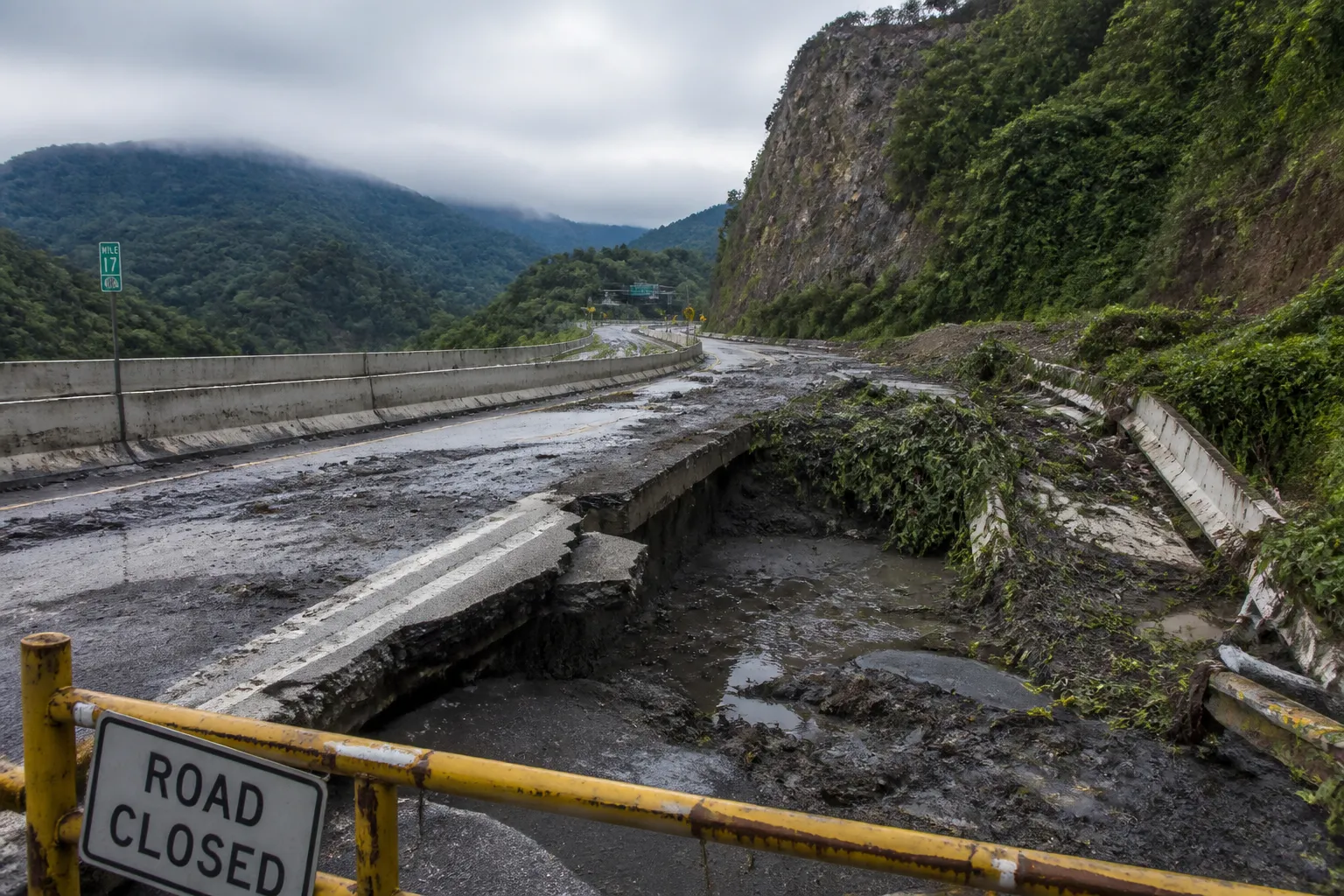
A sudden mudslide slammed Interstate 70 on Monday evening, forcing the highway to close in both directions between New Castle and Silt, Colorado. The event began around 7 p.m. on July 20 when torrential rain and hail rapidly raised water levels and pushed mud, logs, rocks, and other debris onto the roadway.
According to the Colorado Department of Transportation (CDOT), the water reached a depth of about seven feet that night. By Tuesday morning the depth had dropped to roughly three feet, but the road remained submerged and littered with debris. CDOT crews are working to drain the water and clear the wreckage. CDOT spokesperson Chuck Marsh said the department’s fleet of plow trucks will be deployed once the water recedes to remove mud, logs, and other materials. He noted that debris included “logs, rocks, and even a La‑Z‑Boy” found in the ditch.
The closure has disrupted traffic on a major east‑west corridor that connects Denver with the western part of the state. Alternate routes are limited, and the detour via U.S. 6 has lengthened travel times for commuters and freight carriers.
The mudslide also affected nearby properties. Elena Del Rio, event manager for the Red Barn Guest Ranch near Silt, said the event center was flooded with about six inches of water. She described the scene as a “stream” that turned the property into a river. Del Rio added that cleanup will involve shoveling mud piles along the fence line and removing debris.
The weather conditions that triggered the mudslide are part of a broader monsoon pattern moving into Colorado from Arizona and Utah. The National Weather Service warned that rainfall rates could reach two inches per hour in parts of the Western Slope. Meteorologist Dave Barjenbruch explained that freshly burned areas can produce flash flooding and debris flows with as little as a quarter to a third of an inch of rain in a short period. The heavy rain also offers relief to firefighters battling multiple large wildfires across the state, but it increases the risk of flash flooding.
Similar events have occurred elsewhere in Colorado this week. In Telluride, afternoon rain over the weekend caused more than a dozen mudslides along State Highway 145 and in a residential area. Public Information Officer Susan Lilly of the San Miguel County Sheriff’s Office reported that the slides damaged homes, flooded parts of the community, and shut down Highway 145 between Sawpit and Telluride for several hours. The slides also affected the Palm Theatre and Telluride Intermediate School, where standing water and mud covered seating areas and classrooms.
Lilly noted that while the Telluride slides did not occur on burn scars, dry conditions can amplify the impact of intense rainfall. She said officials are concerned about the potential for more frequent and severe mudslides as additional heavy storms move through the region.
Barjenbruch added that the increased humidity and rainfall will help improve fire‑weather conditions in the short term. However, temperatures are still expected to reach the mid‑90s, and lightning from thunderstorms could spark new fires. The long‑term drought outlook depends on whether the wetter pattern continues beyond the next several days.
As of 2:30 p.m. Tuesday, CDOT had not issued an estimated time for the highway to reopen. The department continues to work on draining the roadway and clearing debris. Travelers are advised to use the detour via U.S. 6 and to check the COtrip Traveler Information Homepage for updates.
The incident underscores the challenges Colorado faces as monsoon rains bring both relief and risk. While the rain helps suppress wildfires, it also triggers mudslides and flash flooding, especially in recently burned or heavily eroded areas. The state’s transportation and emergency‑response agencies remain on alert as additional storms are forecast for Wednesday and Thursday.
The closure of I‑70 between New Castle and Silt is a reminder that infrastructure resilience and timely response are critical as Colorado navigates the complex interplay of weather, fire, and flood hazards.
According to the Colorado Department of Transportation (CDOT), the water reached a depth of about seven feet that night. By Tuesday morning the depth had dropped to roughly three feet, but the road remained submerged and littered with debris. CDOT crews are working to drain the water and clear the wreckage. CDOT spokesperson Chuck Marsh said the department’s fleet of plow trucks will be deployed once the water recedes to remove mud, logs, and other materials. He noted that debris included “logs, rocks, and even a La‑Z‑Boy” found in the ditch.
The closure has disrupted traffic on a major east‑west corridor that connects Denver with the western part of the state. Alternate routes are limited, and the detour via U.S. 6 has lengthened travel times for commuters and freight carriers.
The mudslide also affected nearby properties. Elena Del Rio, event manager for the Red Barn Guest Ranch near Silt, said the event center was flooded with about six inches of water. She described the scene as a “stream” that turned the property into a river. Del Rio added that cleanup will involve shoveling mud piles along the fence line and removing debris.
The weather conditions that triggered the mudslide are part of a broader monsoon pattern moving into Colorado from Arizona and Utah. The National Weather Service warned that rainfall rates could reach two inches per hour in parts of the Western Slope. Meteorologist Dave Barjenbruch explained that freshly burned areas can produce flash flooding and debris flows with as little as a quarter to a third of an inch of rain in a short period. The heavy rain also offers relief to firefighters battling multiple large wildfires across the state, but it increases the risk of flash flooding.
Similar events have occurred elsewhere in Colorado this week. In Telluride, afternoon rain over the weekend caused more than a dozen mudslides along State Highway 145 and in a residential area. Public Information Officer Susan Lilly of the San Miguel County Sheriff’s Office reported that the slides damaged homes, flooded parts of the community, and shut down Highway 145 between Sawpit and Telluride for several hours. The slides also affected the Palm Theatre and Telluride Intermediate School, where standing water and mud covered seating areas and classrooms.
Lilly noted that while the Telluride slides did not occur on burn scars, dry conditions can amplify the impact of intense rainfall. She said officials are concerned about the potential for more frequent and severe mudslides as additional heavy storms move through the region.
Barjenbruch added that the increased humidity and rainfall will help improve fire‑weather conditions in the short term. However, temperatures are still expected to reach the mid‑90s, and lightning from thunderstorms could spark new fires. The long‑term drought outlook depends on whether the wetter pattern continues beyond the next several days.
As of 2:30 p.m. Tuesday, CDOT had not issued an estimated time for the highway to reopen. The department continues to work on draining the roadway and clearing debris. Travelers are advised to use the detour via U.S. 6 and to check the COtrip Traveler Information Homepage for updates.
The incident underscores the challenges Colorado faces as monsoon rains bring both relief and risk. While the rain helps suppress wildfires, it also triggers mudslides and flash flooding, especially in recently burned or heavily eroded areas. The state’s transportation and emergency‑response agencies remain on alert as additional storms are forecast for Wednesday and Thursday.
The closure of I‑70 between New Castle and Silt is a reminder that infrastructure resilience and timely response are critical as Colorado navigates the complex interplay of weather, fire, and flood hazards.