Blab News
Bidens 2016-17 Tapes Reveal Classified Notes, Intensifying Political Debate
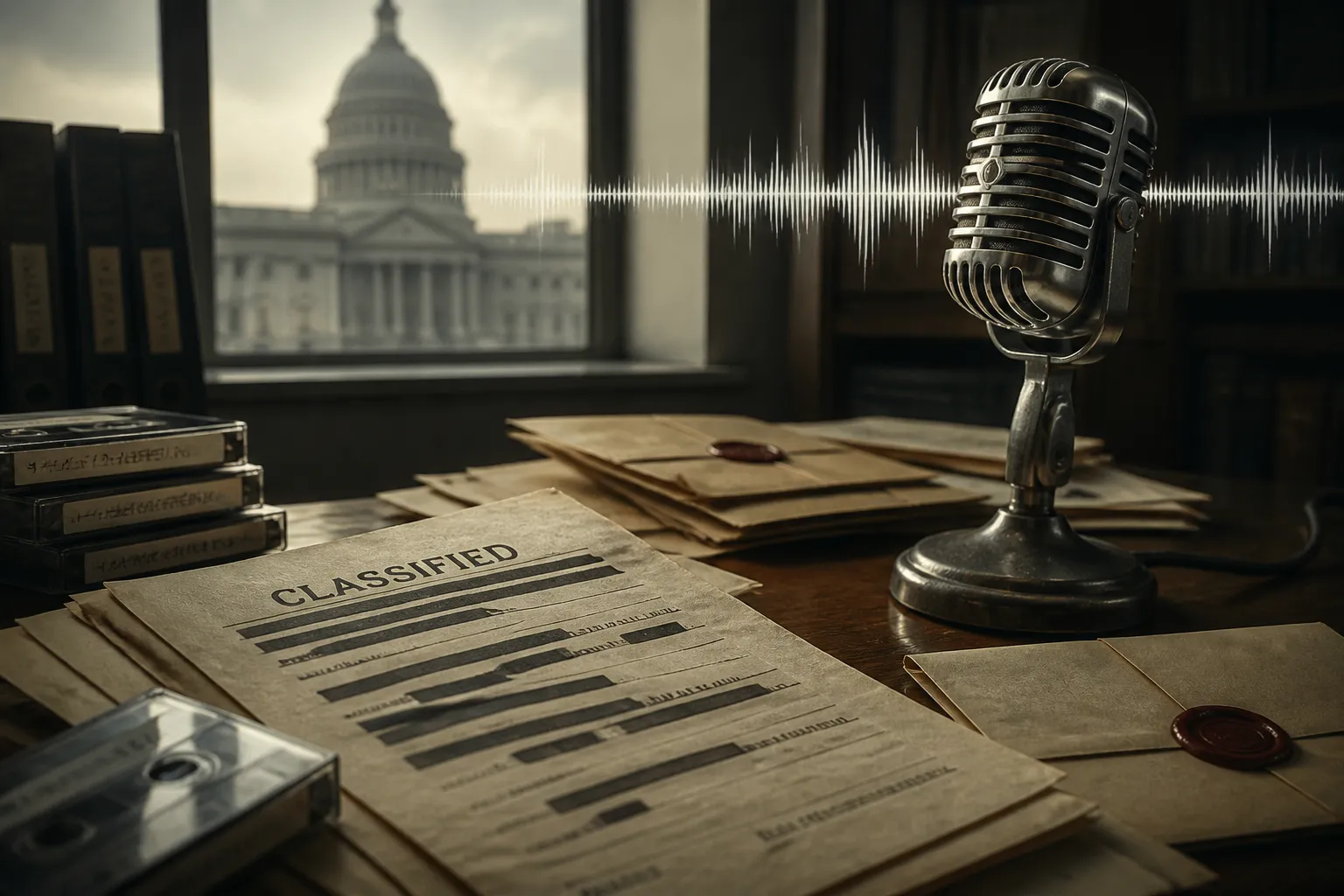
When the Oversight Project, a division of the Heritage Foundation, made its debut on Monday, the audio it released felt like a long‑awaited confession. The recordings, taken while former Vice‑President Joe Biden was drafting his 2017 memoir Promise Me, Dad, contain candid conversations in which Biden talks openly about the notes he kept from his time in the White House—notes that, according to him, were classified.
The tapes were recorded in a very specific setting: a quiet office in the Office of the Vice‑President, where Biden was working with ghostwriter Mark Zwonitzer. The project claims that the recordings were produced for the book, a project that ultimately excluded any classified material. Yet the audio reveals a different story. In an October 2016 clip, Biden remarks, “There was a lot of stuff going on at the same time in foreign policy… I have extensive notes… over this period of time.” He later says the notes were unknown to others and spanned events up to May 2019. In a November 2016 excerpt, he admits that some of the material was classified, and a February 2017 recording shows him referring to a memorandum he wrote against deploying additional troops to Afghanistan, again noting that the information was classified.
The release of the tapes was the result of a protracted legal battle. The Oversight Project sued for the recordings, and House Judiciary Committee Republicans pressed for access. Biden contested the release, arguing that the tapes were private and had been handed to the Department of Justice (DOJ) under a confidentiality agreement. A federal appeals court dismissed his challenge, prompting him to withdraw the suit. A Biden spokesperson said the decision to make the tapes public was a “political retribution” and that the former president respected the courts but disagreed with the release.
The new material dovetails with Special Counsel Robert Hur’s 2024 report on Biden’s handling of classified documents. Hur found that the former vice‑president had willfully kept and shared classified information after leaving office, including Afghan documents and handwritten notes that contained classified content. The report also noted Biden’s limited memory and difficulty recalling dates and details. The tapes now released confirm that Biden was reading classified material to his ghostwriter and discussing notes that had never been publicly known.
Partisans have seized on the tapes to advance their own narratives. Republicans have pointed to the recordings as evidence of cognitive decline before Biden ran for president, while Democrats have defended his memory and questioned the political motivation behind the release. The debate echoes the broader controversy over the DOJ’s handling of classified documents—a theme that resurfaced during the investigation into former President Donald Trump’s removal of documents from Mar‑a‑Lago, which a federal judge ultimately dismissed.
No criminal charges have been filed against Biden. Hur concluded that the evidence did not establish guilt beyond a reasonable doubt, and the DOJ has not announced any new investigations related to the recordings. The agency also has not released the tapes to Congress, citing the confidentiality agreement under which they were obtained.
The Oversight Project continues to publish clips from the recordings, and the Biden administration’s legal team has dropped its challenge to the release. The situation remains a flashpoint in partisan circles, reflecting deeper divisions over executive accountability and the politicization of document‑handling investigations. While the recordings offer new insight into Biden’s discussions about classified material and his memory, official findings still conclude that no criminal liability exists.
The tapes are now publicly available on the Oversight Project’s YouTube channel, where the organization has posted several clips. The Biden administration has not requested their removal, and the DOJ has not provided the material to congressional committees. Analysts note that the release could influence upcoming hearings on executive record‑keeping and may prompt further scrutiny of former officials’ handling of classified information.
The tapes were recorded in a very specific setting: a quiet office in the Office of the Vice‑President, where Biden was working with ghostwriter Mark Zwonitzer. The project claims that the recordings were produced for the book, a project that ultimately excluded any classified material. Yet the audio reveals a different story. In an October 2016 clip, Biden remarks, “There was a lot of stuff going on at the same time in foreign policy… I have extensive notes… over this period of time.” He later says the notes were unknown to others and spanned events up to May 2019. In a November 2016 excerpt, he admits that some of the material was classified, and a February 2017 recording shows him referring to a memorandum he wrote against deploying additional troops to Afghanistan, again noting that the information was classified.
The release of the tapes was the result of a protracted legal battle. The Oversight Project sued for the recordings, and House Judiciary Committee Republicans pressed for access. Biden contested the release, arguing that the tapes were private and had been handed to the Department of Justice (DOJ) under a confidentiality agreement. A federal appeals court dismissed his challenge, prompting him to withdraw the suit. A Biden spokesperson said the decision to make the tapes public was a “political retribution” and that the former president respected the courts but disagreed with the release.
The new material dovetails with Special Counsel Robert Hur’s 2024 report on Biden’s handling of classified documents. Hur found that the former vice‑president had willfully kept and shared classified information after leaving office, including Afghan documents and handwritten notes that contained classified content. The report also noted Biden’s limited memory and difficulty recalling dates and details. The tapes now released confirm that Biden was reading classified material to his ghostwriter and discussing notes that had never been publicly known.
Partisans have seized on the tapes to advance their own narratives. Republicans have pointed to the recordings as evidence of cognitive decline before Biden ran for president, while Democrats have defended his memory and questioned the political motivation behind the release. The debate echoes the broader controversy over the DOJ’s handling of classified documents—a theme that resurfaced during the investigation into former President Donald Trump’s removal of documents from Mar‑a‑Lago, which a federal judge ultimately dismissed.
No criminal charges have been filed against Biden. Hur concluded that the evidence did not establish guilt beyond a reasonable doubt, and the DOJ has not announced any new investigations related to the recordings. The agency also has not released the tapes to Congress, citing the confidentiality agreement under which they were obtained.
The Oversight Project continues to publish clips from the recordings, and the Biden administration’s legal team has dropped its challenge to the release. The situation remains a flashpoint in partisan circles, reflecting deeper divisions over executive accountability and the politicization of document‑handling investigations. While the recordings offer new insight into Biden’s discussions about classified material and his memory, official findings still conclude that no criminal liability exists.
The tapes are now publicly available on the Oversight Project’s YouTube channel, where the organization has posted several clips. The Biden administration has not requested their removal, and the DOJ has not provided the material to congressional committees. Analysts note that the release could influence upcoming hearings on executive record‑keeping and may prompt further scrutiny of former officials’ handling of classified information.