Blab News
Duane Davis Trial Begins Monday in Long-Stalled Tupac Shakur Murder Case
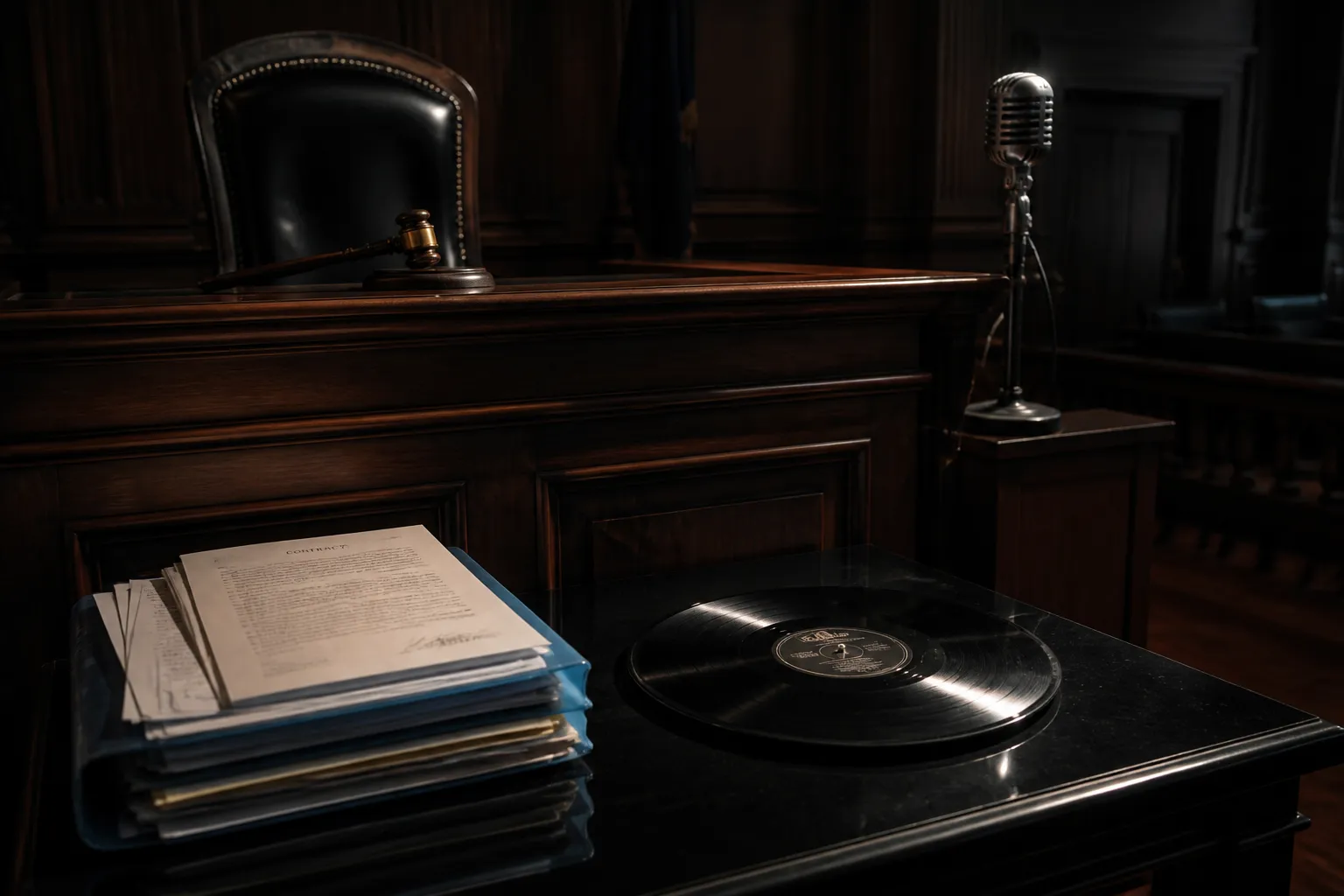
On Monday, a courtroom in Las Vegas will finally hear the story that has haunted the music world for nearly three decades. Jury selection for the trial of Duane "Keffe D" Davis, the only living suspect in the 1996 drive‑by shooting that killed rapper Tupac Shakur, is set to begin at 9 a.m. and is expected to last about a month. Davis, 63, has pleaded not guilty to one count of murder with the use of a deadly weapon and faces a potential life sentence if convicted.
The fatal shooting took place on the night of September 7, 1996, when a .40‑caliber Glock 22 fired four rounds into a car on the Las Vegas Strip. Shakur, then 25, was pronounced dead six days later on September 13. The driver, Death Row Records CEO Marion "Suge" Knight, was grazed by a bullet.
While the police never charged Orlando Anderson, a Crips gang member and nephew of Davis, the 2019 book Compton Street Legend thrust Duane Davis into the spotlight. In it he recounts a plan to confront Shakur and Knight after a prior altercation involving his nephew, describing how he obtained a gun, drove a Cadillac with three others, located the pair, and fired the fatal shots from the back seat.
In 2008, Davis entered a proffer agreement with a federal task force. The arrangement allowed him to provide police with details about the night of the shooting—such as the assault on his nephew—without the statements being admissible against him. Those details later appeared in Greg Kading’s 2011 book Murder Rap and in several documentaries.
On September 29, 2023, a grand jury indicted Davis for first‑degree murder. He was arrested the same day and has since insisted that his earlier statements were false and motivated by a desire to sell books. In a police body‑camera video, he told an officer, “I didn’t do sh*t.” He has also described the proffer agreement as a “sweet deal” that protected him.
Prosecutors plan to use Davis’s own words as the cornerstone of their case. In a recent filing, they argued that much of the book is accurate, citing a Polaroid photo of Davis in a “Ray Luca Crime Story” suit that corroborates his description. The filing noted that while the book contains hyperbole and at least one substantial lie, it generally reflects the “provable life” of the defendant.
Defense attorneys, led by former Clark County district attorney David Roger, will seek to exclude the book and media interviews, arguing that they are false and self‑incriminating. The judge has allowed the jury to hear the book and Davis’s public statements, noting that the proffer agreement did not cover public disclosures.
Key witnesses remain uncertain. Suge Knight, who was wounded in the shooting and is serving a 28‑year sentence for a 2015 hit‑and‑run, has been listed on the prosecution’s witness roster but has publicly said he will not testify. Other potential witnesses—including individuals who were present on the night of the shooting—have either died or may have faded memories after nearly three decades.
The trial is being watched closely by the hip‑hop community and the broader public, as it may finally bring closure to a case that has been described as one of the most enduring mysteries in music history. The court will decide whether Davis’s own testimony can stand as evidence of guilt or whether the defense can successfully portray him as a liar.
As the proceedings begin, the Nevada court will determine how the prosecution’s reliance on Davis’s statements will be weighed against the defense’s challenge to their credibility. The outcome will have implications not only for the legal status of Davis but also for the legacy of Tupac Shakur and the unresolved questions surrounding his death.
The fatal shooting took place on the night of September 7, 1996, when a .40‑caliber Glock 22 fired four rounds into a car on the Las Vegas Strip. Shakur, then 25, was pronounced dead six days later on September 13. The driver, Death Row Records CEO Marion "Suge" Knight, was grazed by a bullet.
While the police never charged Orlando Anderson, a Crips gang member and nephew of Davis, the 2019 book Compton Street Legend thrust Duane Davis into the spotlight. In it he recounts a plan to confront Shakur and Knight after a prior altercation involving his nephew, describing how he obtained a gun, drove a Cadillac with three others, located the pair, and fired the fatal shots from the back seat.
In 2008, Davis entered a proffer agreement with a federal task force. The arrangement allowed him to provide police with details about the night of the shooting—such as the assault on his nephew—without the statements being admissible against him. Those details later appeared in Greg Kading’s 2011 book Murder Rap and in several documentaries.
On September 29, 2023, a grand jury indicted Davis for first‑degree murder. He was arrested the same day and has since insisted that his earlier statements were false and motivated by a desire to sell books. In a police body‑camera video, he told an officer, “I didn’t do sh*t.” He has also described the proffer agreement as a “sweet deal” that protected him.
Prosecutors plan to use Davis’s own words as the cornerstone of their case. In a recent filing, they argued that much of the book is accurate, citing a Polaroid photo of Davis in a “Ray Luca Crime Story” suit that corroborates his description. The filing noted that while the book contains hyperbole and at least one substantial lie, it generally reflects the “provable life” of the defendant.
Defense attorneys, led by former Clark County district attorney David Roger, will seek to exclude the book and media interviews, arguing that they are false and self‑incriminating. The judge has allowed the jury to hear the book and Davis’s public statements, noting that the proffer agreement did not cover public disclosures.
Key witnesses remain uncertain. Suge Knight, who was wounded in the shooting and is serving a 28‑year sentence for a 2015 hit‑and‑run, has been listed on the prosecution’s witness roster but has publicly said he will not testify. Other potential witnesses—including individuals who were present on the night of the shooting—have either died or may have faded memories after nearly three decades.
The trial is being watched closely by the hip‑hop community and the broader public, as it may finally bring closure to a case that has been described as one of the most enduring mysteries in music history. The court will decide whether Davis’s own testimony can stand as evidence of guilt or whether the defense can successfully portray him as a liar.
As the proceedings begin, the Nevada court will determine how the prosecution’s reliance on Davis’s statements will be weighed against the defense’s challenge to their credibility. The outcome will have implications not only for the legal status of Davis but also for the legacy of Tupac Shakur and the unresolved questions surrounding his death.