Blab News
Mike Lindell Loses Minnesota GOP Gubernatorial Primary, Refuses to Concede
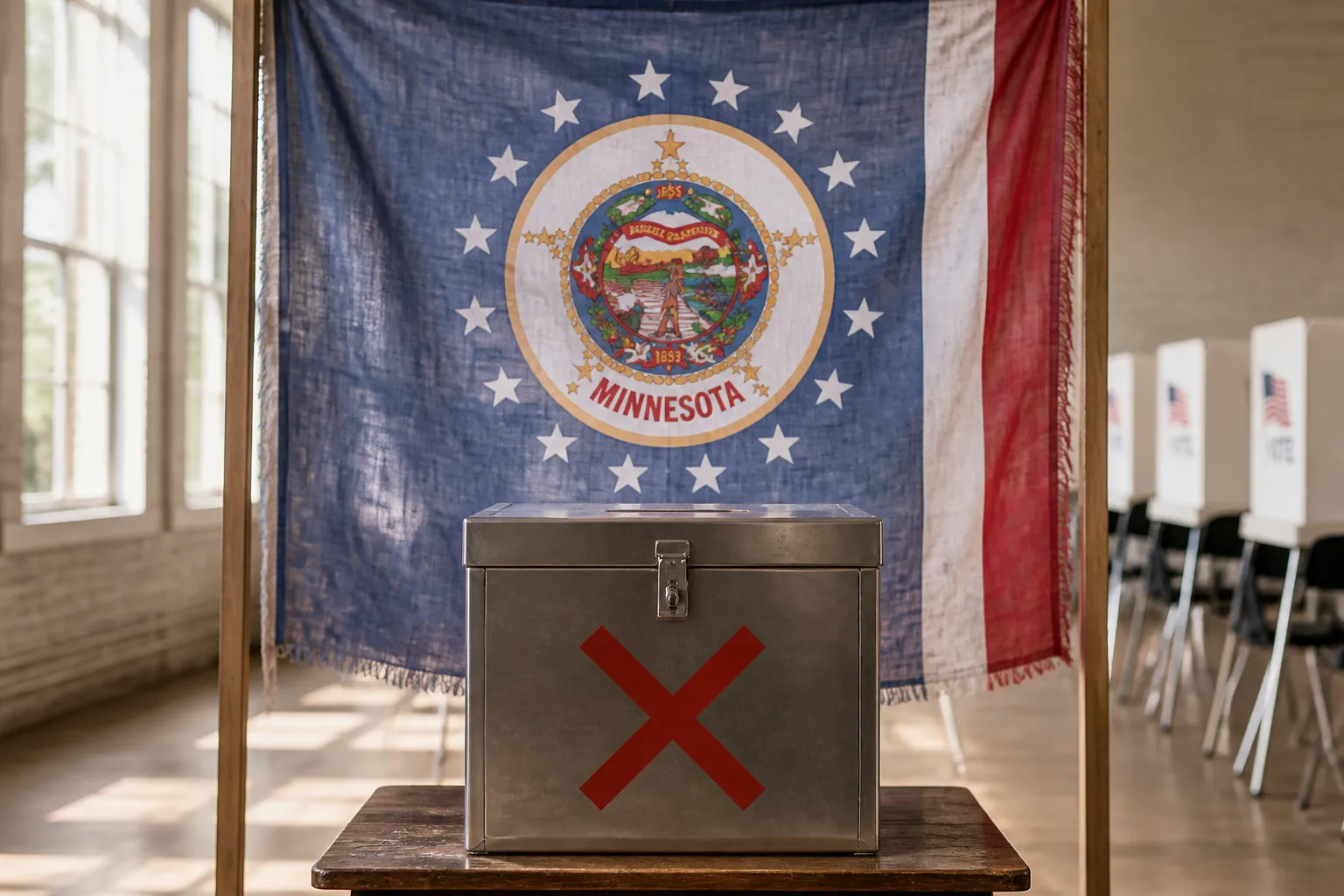
On Tuesday, August 11, 2026, Minnesota voters made a decisive choice in the Republican gubernatorial primary, handing House Speaker Lisa Demuth the nomination over MyPillow founder Mike Lindell and businessman Kendall Qualls. The Associated Press called the race for Demuth at 11:26 p.m. ET after 93 % of ballots were tallied.
Demuth secured 43.6 % of the vote, Lindell 32.3 %, and Qualls 21.4 %. The margin between Demuth and Lindell exceeded 11 percentage points, a gap that left no doubt about the electorate’s preference.
Lindell, who stepped down as MyPillow CEO on August 4 to focus on his campaign, had been backed by former President Donald Trump. Trump posted on Truth Social that Lindell “deserves a BIG WIN IN MINNESOTA today” and praised his “hard work” in fighting for free and fair elections. This loss marks the first time a Trump‑backed candidate has failed to win a state GOP primary in 2026.
After the race was called, Lindell told reporters that his campaign would need “a day” to review the results, citing “a couple of anomalies.” No evidence of irregularities has been presented, and the Minnesota Secretary of State’s office has confirmed that the vote totals are accurate.
The Minnesota Republican Party has questioned Lindell’s eligibility to run. The party noted that the state requires a candidate to have lived in Minnesota for at least one year before the election. Lindell said he had lived in Texas until last year but moved back to Minnesota before the one‑year deadline. A judge last week found probable cause that Lindell may have violated campaign laws by distributing pillows with “Mike Lindell for Governor” printed on the packaging during a July 4 parade.
Lindell’s campaign has also faced legal challenges unrelated to the primary. In December 2025, he settled a $1 billion defamation lawsuit filed by Dominion Voting Systems, which accused him of spreading false claims that the company rigged the 2020 presidential election. The settlement followed a federal jury’s finding that Lindell had defamed a former Dominion employee.
The Democratic primary was won decisively by U.S. Senator Amy Klobuchar, who received 89.6 % of the vote. Klobuchar, who announced her candidacy after incumbent Governor Tim Walz withdrew in January 2026, is expected to face Demuth in the November 3 general election.
The primary results reflect a broader trend in Minnesota politics. Demuth’s victory demonstrates that the state’s Republican electorate is willing to elect a candidate with a traditional legislative background over a high‑profile outsider. Lindell’s refusal to concede echoes his earlier stance on the 2020 election, where he repeatedly claimed fraud without evidence.
The Minnesota Secretary of State’s office has stated that all ballots will be certified in the coming days. No recount has been requested by either candidate. The state’s election officials have reiterated that the process was conducted in accordance with state law.
As the campaign season moves forward, the focus will shift to the general election. Polls show Klobuchar maintaining a substantial lead over Demuth, but the outcome will ultimately depend on voter turnout and campaign strategies in the weeks ahead.
The primary also highlights ongoing controversies surrounding election integrity and the influence of former President Trump’s allies in state politics. While Lindell’s campaign has been characterized by repeated claims of fraud, the Minnesota election results confirm that the state’s voters rejected his candidacy.
The next steps for the candidates are clear: Demuth will prepare to face Klobuchar in the November election, while Lindell’s campaign has yet to announce a formal concession. The Minnesota Secretary of State’s office will release final certified results later this week.
The outcome underscores the importance of residency requirements, campaign finance compliance, and the scrutiny that high‑profile candidates face in state elections.
Demuth secured 43.6 % of the vote, Lindell 32.3 %, and Qualls 21.4 %. The margin between Demuth and Lindell exceeded 11 percentage points, a gap that left no doubt about the electorate’s preference.
Lindell, who stepped down as MyPillow CEO on August 4 to focus on his campaign, had been backed by former President Donald Trump. Trump posted on Truth Social that Lindell “deserves a BIG WIN IN MINNESOTA today” and praised his “hard work” in fighting for free and fair elections. This loss marks the first time a Trump‑backed candidate has failed to win a state GOP primary in 2026.
After the race was called, Lindell told reporters that his campaign would need “a day” to review the results, citing “a couple of anomalies.” No evidence of irregularities has been presented, and the Minnesota Secretary of State’s office has confirmed that the vote totals are accurate.
The Minnesota Republican Party has questioned Lindell’s eligibility to run. The party noted that the state requires a candidate to have lived in Minnesota for at least one year before the election. Lindell said he had lived in Texas until last year but moved back to Minnesota before the one‑year deadline. A judge last week found probable cause that Lindell may have violated campaign laws by distributing pillows with “Mike Lindell for Governor” printed on the packaging during a July 4 parade.
Lindell’s campaign has also faced legal challenges unrelated to the primary. In December 2025, he settled a $1 billion defamation lawsuit filed by Dominion Voting Systems, which accused him of spreading false claims that the company rigged the 2020 presidential election. The settlement followed a federal jury’s finding that Lindell had defamed a former Dominion employee.
The Democratic primary was won decisively by U.S. Senator Amy Klobuchar, who received 89.6 % of the vote. Klobuchar, who announced her candidacy after incumbent Governor Tim Walz withdrew in January 2026, is expected to face Demuth in the November 3 general election.
The primary results reflect a broader trend in Minnesota politics. Demuth’s victory demonstrates that the state’s Republican electorate is willing to elect a candidate with a traditional legislative background over a high‑profile outsider. Lindell’s refusal to concede echoes his earlier stance on the 2020 election, where he repeatedly claimed fraud without evidence.
The Minnesota Secretary of State’s office has stated that all ballots will be certified in the coming days. No recount has been requested by either candidate. The state’s election officials have reiterated that the process was conducted in accordance with state law.
As the campaign season moves forward, the focus will shift to the general election. Polls show Klobuchar maintaining a substantial lead over Demuth, but the outcome will ultimately depend on voter turnout and campaign strategies in the weeks ahead.
The primary also highlights ongoing controversies surrounding election integrity and the influence of former President Trump’s allies in state politics. While Lindell’s campaign has been characterized by repeated claims of fraud, the Minnesota election results confirm that the state’s voters rejected his candidacy.
The next steps for the candidates are clear: Demuth will prepare to face Klobuchar in the November election, while Lindell’s campaign has yet to announce a formal concession. The Minnesota Secretary of State’s office will release final certified results later this week.
The outcome underscores the importance of residency requirements, campaign finance compliance, and the scrutiny that high‑profile candidates face in state elections.