Blab News
Ukraine Strikes Russian Naval Base in Novorossiysk with Drones and Missiles
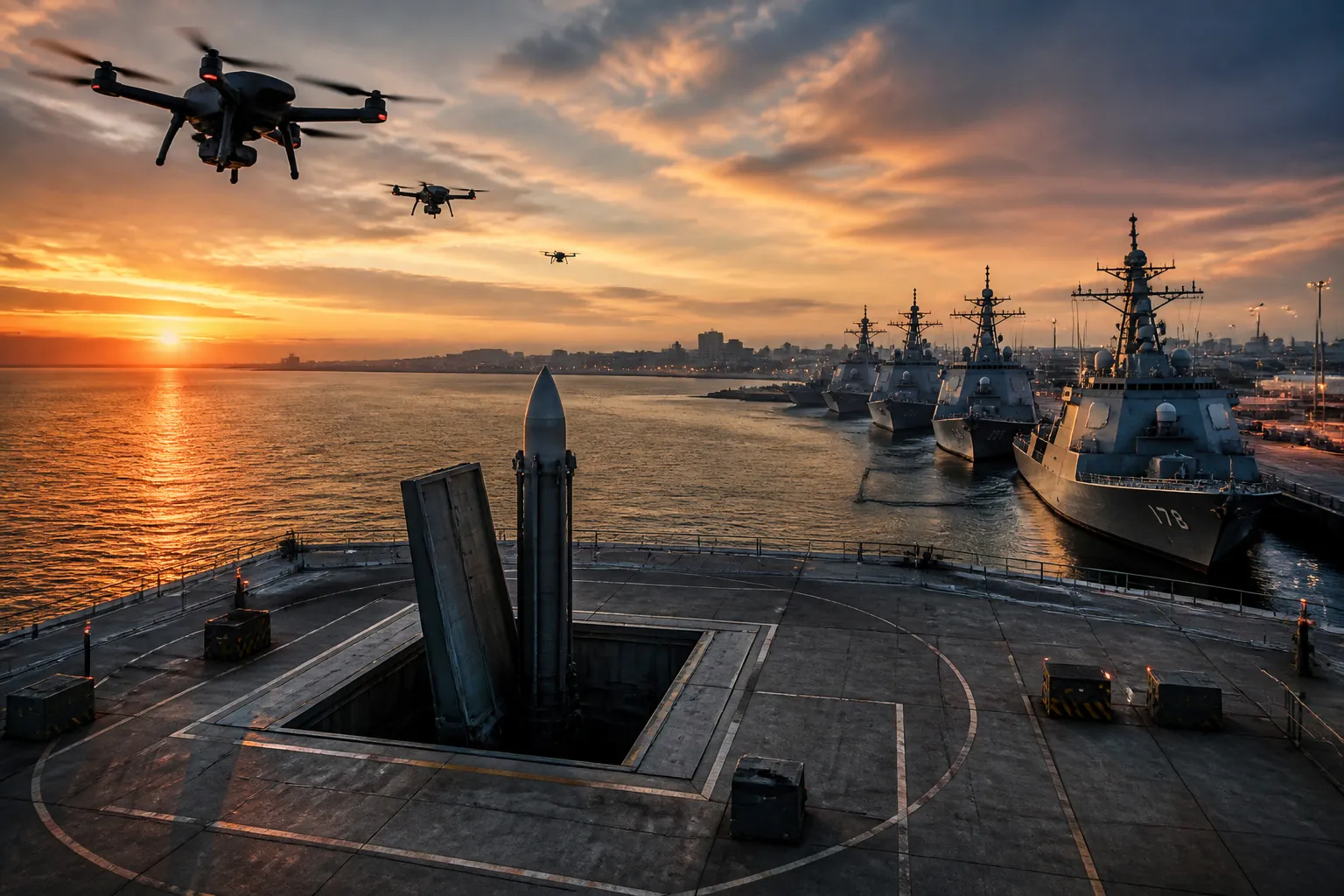
On the night of August 12, 2026, a swarm of Ukrainian drones and missiles rattled the Black Sea’s last major Russian naval hub, Novorossiysk. President Volodymyr Zelenskyy posted the attack on social media, calling it a "unique operation" that struck air‑defence sites, piers and other port infrastructure.
Novorossiysk has long been Russia’s principal Black Sea base, a role it inherited after the 2022 Ukrainian assault on Sevastopol forced the bulk of the Russian fleet to relocate there. Since then, Kyiv has repeatedly targeted the port with domestically built Palianytsia drones and Neptune anti‑ship missiles. The August 12 strike involved hundreds of drones and several missiles, according to Krasnodar Krai governor Veniamin Kondratyev.
Kondratyev reported that the attack damaged two of Novorossiysk’s three grain terminals—one of which halted operations—and that debris from downed drones fell on the grounds of four industrial plants. He confirmed that an eight‑year‑old child was one of three people killed, and that 24 others in the region were wounded. Dozens of residential buildings sustained damage. Russian business daily Vedomosti noted that the two damaged grain terminals were among the port’s largest.
The Russian Defence Ministry said its air‑defence systems shot down more than 500 Ukrainian drones that night. It also reported that the Grushovaya oil terminal, one of southern Russia’s largest international petroleum hubs, was not hit, and that no casualties were reported there.
The U.S. State Department expressed displeasure with the Novorossiysk attacks, citing their impact on U.S. oil interests in Kazakhstan. The Caspian Pipeline Consortium operates a pipeline from the Caspian coast in northwestern Kazakhstan to Novorossiysk, carrying crude from three major Kazakh fields in which U.S. energy companies Chevron and ExxonMobil have stakes.
In a separate statement, Russian President Vladimir Putin warned that Western countries were breaking international maritime law by seizing Russian merchant vessels that he described as part of Moscow’s "shadow fleet." He called the actions piracy and said Russia would respond in kind.
Earlier that night, Russian‑installed authorities in Sevastopol reported that 115 Ukrainian drones were downed and that 10 apartment buildings and 25 private houses were damaged. Ukrainian officials said that Russia fired 138 long‑range drones and an unspecified number of missiles during the night, with damage recorded at 16 locations.
In the Kherson region, a large‑scale Russian drone attack overnight killed two people and wounded two others, according to regional head Oleksandr Prokudin. The attacks also destroyed a shopping mall in the southern city of Zaporizhzhia. In the Odesa region, Russian defence ministry officials said missiles and long‑range drones hit fuel reservoirs and infrastructure used for unloading and storing military cargo in the port of Chornomorsk, and that a bulk cargo vessel carrying military equipment and a tanker loaded with oil for the Ukrainian armed forces were also hit.
The Novorossiysk strike is part of a broader pattern of Ukrainian drone attacks on Russian military and industrial targets across the country. Ukrainian officials describe these missions as a key element of the war effort, limiting the movements of the Russian Black Sea fleet and disrupting the logistics of the Russian war machine.
The current situation remains fluid. Russian authorities are investigating the extent of damage to the grain terminals and port infrastructure, while Ukrainian officials continue to monitor the effectiveness of their drone and missile campaigns. The U.S. State Department has reiterated its concerns about the impact on U.S. oil interests, and Russian officials have warned of potential retaliatory measures. The outcome of these developments will shape the economic and military dynamics of the conflict in the coming weeks.
Novorossiysk has long been Russia’s principal Black Sea base, a role it inherited after the 2022 Ukrainian assault on Sevastopol forced the bulk of the Russian fleet to relocate there. Since then, Kyiv has repeatedly targeted the port with domestically built Palianytsia drones and Neptune anti‑ship missiles. The August 12 strike involved hundreds of drones and several missiles, according to Krasnodar Krai governor Veniamin Kondratyev.
Kondratyev reported that the attack damaged two of Novorossiysk’s three grain terminals—one of which halted operations—and that debris from downed drones fell on the grounds of four industrial plants. He confirmed that an eight‑year‑old child was one of three people killed, and that 24 others in the region were wounded. Dozens of residential buildings sustained damage. Russian business daily Vedomosti noted that the two damaged grain terminals were among the port’s largest.
The Russian Defence Ministry said its air‑defence systems shot down more than 500 Ukrainian drones that night. It also reported that the Grushovaya oil terminal, one of southern Russia’s largest international petroleum hubs, was not hit, and that no casualties were reported there.
The U.S. State Department expressed displeasure with the Novorossiysk attacks, citing their impact on U.S. oil interests in Kazakhstan. The Caspian Pipeline Consortium operates a pipeline from the Caspian coast in northwestern Kazakhstan to Novorossiysk, carrying crude from three major Kazakh fields in which U.S. energy companies Chevron and ExxonMobil have stakes.
In a separate statement, Russian President Vladimir Putin warned that Western countries were breaking international maritime law by seizing Russian merchant vessels that he described as part of Moscow’s "shadow fleet." He called the actions piracy and said Russia would respond in kind.
Earlier that night, Russian‑installed authorities in Sevastopol reported that 115 Ukrainian drones were downed and that 10 apartment buildings and 25 private houses were damaged. Ukrainian officials said that Russia fired 138 long‑range drones and an unspecified number of missiles during the night, with damage recorded at 16 locations.
In the Kherson region, a large‑scale Russian drone attack overnight killed two people and wounded two others, according to regional head Oleksandr Prokudin. The attacks also destroyed a shopping mall in the southern city of Zaporizhzhia. In the Odesa region, Russian defence ministry officials said missiles and long‑range drones hit fuel reservoirs and infrastructure used for unloading and storing military cargo in the port of Chornomorsk, and that a bulk cargo vessel carrying military equipment and a tanker loaded with oil for the Ukrainian armed forces were also hit.
The Novorossiysk strike is part of a broader pattern of Ukrainian drone attacks on Russian military and industrial targets across the country. Ukrainian officials describe these missions as a key element of the war effort, limiting the movements of the Russian Black Sea fleet and disrupting the logistics of the Russian war machine.
The current situation remains fluid. Russian authorities are investigating the extent of damage to the grain terminals and port infrastructure, while Ukrainian officials continue to monitor the effectiveness of their drone and missile campaigns. The U.S. State Department has reiterated its concerns about the impact on U.S. oil interests, and Russian officials have warned of potential retaliatory measures. The outcome of these developments will shape the economic and military dynamics of the conflict in the coming weeks.