Blab News
Ukraines Former Defence Minister Calls for Wartime Elections Amid Ongoing Protests
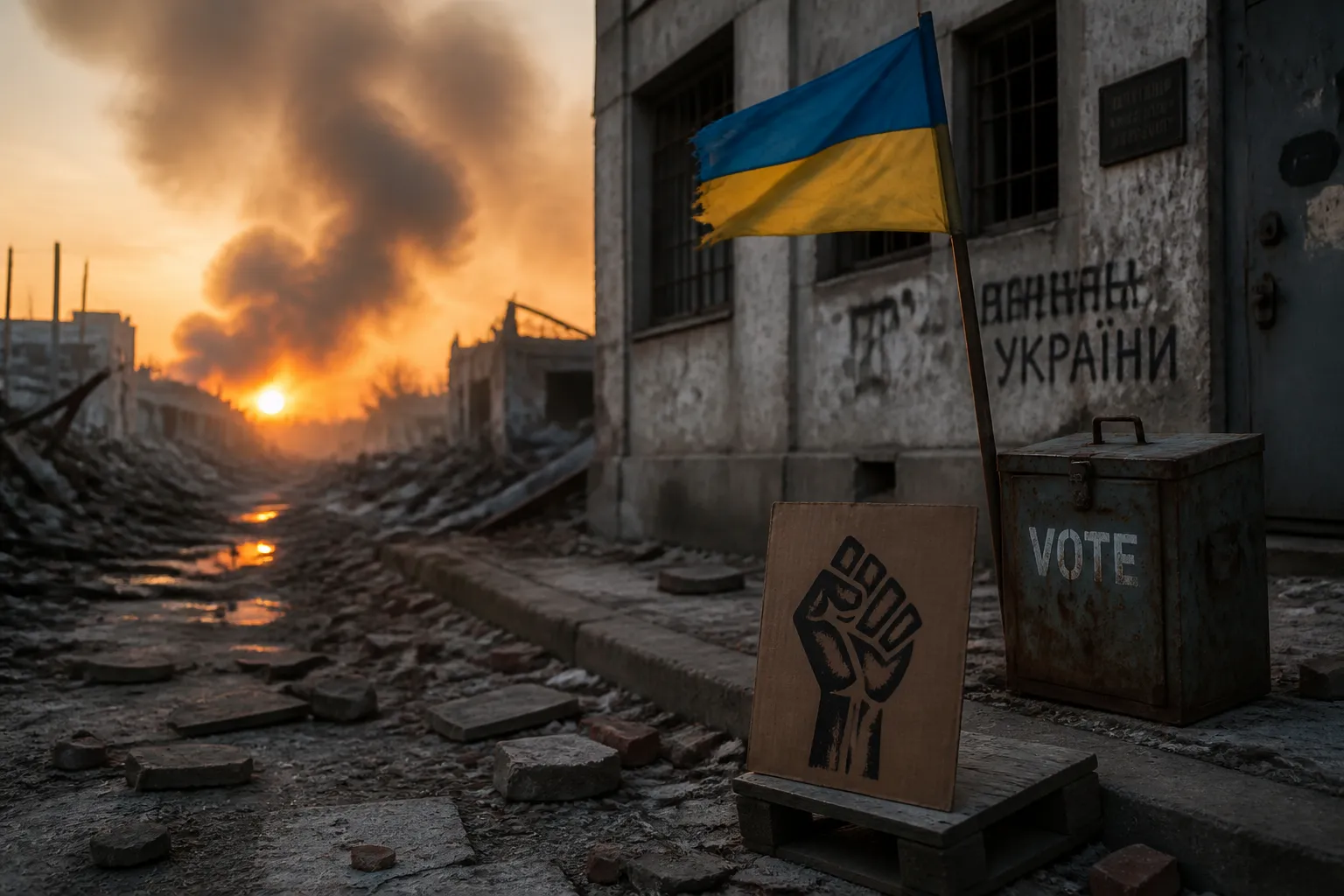
On August 18, 2026, Mykhailo Fedorov—Ukraine’s former defence minister who was dismissed by President Volodymyr Zelenskyy on July 15—took to YouTube to urge the nation to hold elections while the Russian invasion rages. In the clip, Fedorov argued that Ukraine needs a “legal, safe, and realistic mechanism” for voting that would bring soldiers on the front lines, citizens abroad, and residents in occupied or frontline areas to the ballot. He warned that “we must not let Vladimir Putin decide when Ukrainians can choose their government” and called democracy a core value of the war.
The appeal follows a month of nationwide protests that erupted after Fedorov’s removal. Demonstrators in Kyiv and other cities have demanded his reinstatement and accused the government of political instability. Fedorov was a popular figure during his tenure, credited with modernising the armed forces and implementing digital reforms. His dismissal surprised many, and the decision to replace him with Interior Minister Ihor Klymenko sparked public outcry.
The timing and content of the video raise practical questions. Ukraine remains under martial law, a legal status that, according to Ukrainian law, bars presidential and parliamentary elections. The ongoing war also makes it difficult to provide a safe voting environment. Russian forces continue to target population centres with bombs, missiles, and drones, and many regions are occupied or under threat. Organising polling stations for soldiers on the front and for citizens displaced abroad would require extensive security and logistical arrangements that are hard to guarantee in a conflict zone.
Reactions from members of the armed forces illustrate the complexity of the issue. A defence ministry officer, speaking anonymously, said he was “surprised and shocked” by the video and that it seemed to legitimize the idea of elections under martial law. He noted that while parliamentary elections could be considered, many districts are occupied and the number of available MPs would be limited. Another soldier, Artem Kariakin, described the situation as “two completely different worlds” – the front line and the debate over elections – and questioned how a digital voting system could be trusted. Chief sergeant Oleksii, who works with drones, expressed doubt that a new government would change the war’s outcome, noting that peace depends on Russian actions.
A veteran, Liubomyr Dmytryshyn, acknowledged Fedorov’s effectiveness as defence minister but said he did not support the call for elections at this time. He argued that the protests’ main goal is to fight corruption, not to push for a political contest. The veteran also pointed out that the protests have already achieved some of their demands, such as the appointment of a new commander‑in‑chief.
The Ukrainian government has not yet issued a formal response to Fedorov’s appeal. Earlier in July, Zelenskyy offered Fedorov a deputy prime minister position for military innovation, a role he declined. The president’s spokesperson has not commented on the video, and no official plan for elections has been announced.
The call for elections is controversial because it could shift public focus away from the war and risk politicising the military. If elections were held, questions would arise about voter safety, the legitimacy of the process, and whether a new government could effectively govern while fighting an invasion. Ukrainian law, however, explicitly prohibits elections during martial law, and the current legal framework would require a lifting of that status before any vote could be conducted.
As of now, protests continue in several Ukrainian cities, and the country remains under martial law. No concrete steps toward an election timetable have been taken, and the government has not indicated any intention to lift martial law. The situation remains fluid, with potential developments dependent on the war’s trajectory, legal interpretations, and the political will of Ukraine’s leadership.
The debate over wartime elections highlights the tension between democratic aspirations and the practical realities of a nation in conflict. Whether Ukraine will move toward a vote, and how that process would be structured, remains an open question that will likely influence both domestic politics and international perceptions of Ukraine’s resilience.
The appeal follows a month of nationwide protests that erupted after Fedorov’s removal. Demonstrators in Kyiv and other cities have demanded his reinstatement and accused the government of political instability. Fedorov was a popular figure during his tenure, credited with modernising the armed forces and implementing digital reforms. His dismissal surprised many, and the decision to replace him with Interior Minister Ihor Klymenko sparked public outcry.
The timing and content of the video raise practical questions. Ukraine remains under martial law, a legal status that, according to Ukrainian law, bars presidential and parliamentary elections. The ongoing war also makes it difficult to provide a safe voting environment. Russian forces continue to target population centres with bombs, missiles, and drones, and many regions are occupied or under threat. Organising polling stations for soldiers on the front and for citizens displaced abroad would require extensive security and logistical arrangements that are hard to guarantee in a conflict zone.
Reactions from members of the armed forces illustrate the complexity of the issue. A defence ministry officer, speaking anonymously, said he was “surprised and shocked” by the video and that it seemed to legitimize the idea of elections under martial law. He noted that while parliamentary elections could be considered, many districts are occupied and the number of available MPs would be limited. Another soldier, Artem Kariakin, described the situation as “two completely different worlds” – the front line and the debate over elections – and questioned how a digital voting system could be trusted. Chief sergeant Oleksii, who works with drones, expressed doubt that a new government would change the war’s outcome, noting that peace depends on Russian actions.
A veteran, Liubomyr Dmytryshyn, acknowledged Fedorov’s effectiveness as defence minister but said he did not support the call for elections at this time. He argued that the protests’ main goal is to fight corruption, not to push for a political contest. The veteran also pointed out that the protests have already achieved some of their demands, such as the appointment of a new commander‑in‑chief.
The Ukrainian government has not yet issued a formal response to Fedorov’s appeal. Earlier in July, Zelenskyy offered Fedorov a deputy prime minister position for military innovation, a role he declined. The president’s spokesperson has not commented on the video, and no official plan for elections has been announced.
The call for elections is controversial because it could shift public focus away from the war and risk politicising the military. If elections were held, questions would arise about voter safety, the legitimacy of the process, and whether a new government could effectively govern while fighting an invasion. Ukrainian law, however, explicitly prohibits elections during martial law, and the current legal framework would require a lifting of that status before any vote could be conducted.
As of now, protests continue in several Ukrainian cities, and the country remains under martial law. No concrete steps toward an election timetable have been taken, and the government has not indicated any intention to lift martial law. The situation remains fluid, with potential developments dependent on the war’s trajectory, legal interpretations, and the political will of Ukraine’s leadership.
The debate over wartime elections highlights the tension between democratic aspirations and the practical realities of a nation in conflict. Whether Ukraine will move toward a vote, and how that process would be structured, remains an open question that will likely influence both domestic politics and international perceptions of Ukraine’s resilience.