Blab News
Tel Aviv Leads Israel in Reservist Mobilization Since Oct. 7 War
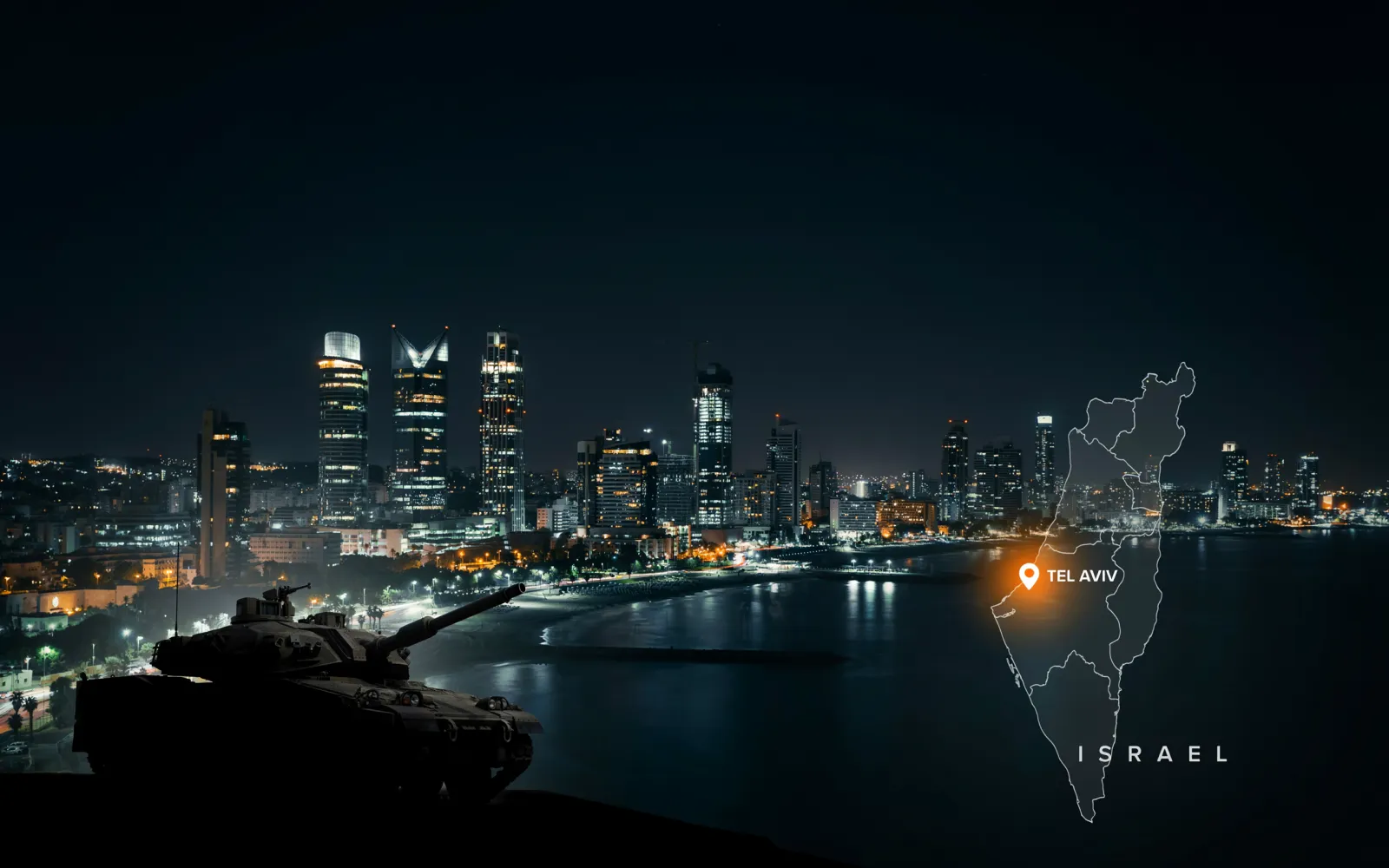
On Reservists Appreciation Day, the Israel Defense Forces (IDF) released data that paints a vivid picture of Tel Aviv’s wartime commitment: 42,000 of the city’s residents have returned to duty since the Gaza conflict erupted on Oct. 7, 2023.
The numbers that followed are hard to overlook. Jerusalem mobilized roughly 23,000 reservists, Rishon Lezion 16,000, Be’er Sheva 15,000 and Haifa 14,000. In absolute terms, Tel Aviv tops the list, but the story deepens when viewed through the lens of population.
By share of each city’s residents, Tel Aviv’s mobilization rate sits at 8.7 %. Be’er Sheva follows at 6.8 %, Rishon Lezion 6.2 %, Haifa 4.7 % and Jerusalem 2.2 %. These percentages reflect a community that has answered the call at a pace unmatched elsewhere.
The IDF also noted that the average length of active reserve service rose to about 94 days in 2024, up from 78 days in 2023. Roughly 37 % of those who served during the war are parents, a reminder that the front lines have reached into family life.
In a statement, the IDF said the male and female reservists “left their daily routines, families and workplaces to answer the national call, driven by a sense of mission, responsibility and deep commitment to Israel’s security.” It added that “during the month dedicated to honoring reserve service members, we salute the reservists and their families for their dedication, sacrifice and willingness to answer the call time and again, whenever and wherever needed, in support of the security of the State of Israel and its citizens.”
Earlier IDF data had shown that Religious‑Zionist towns in Judea and Samaria lead the country in the average number of days of reserve duty served per resident. The Religious‑Zionist sector is also disproportionately represented in combat units, which has resulted in higher numbers of soldiers from this community being killed or wounded during the conflict.
These mobilization figures illustrate the broader strain on Israel’s defense forces. Since the war began, the IDF has called up reservists from all corners of the country, including those who had previously completed their service, to sustain operations in Gaza and maintain security along Israel’s borders.
The impact on Israeli society is palpable. With 42,000 reservists drawn from Tel Aviv alone, the city’s workforce and family life have been reshaped. The IDF’s statement underscores the personal sacrifices made by reservists, many of whom balance military duties with family responsibilities.
The release comes as the country navigates the aftermath of the Gaza conflict. While a ceasefire has ended active hostilities, the military remains on high alert, and reservists continue to be called up for training and operational duties.
In sum, the data provide a snapshot of how the war has mobilized Israeli society, with Tel Aviv leading in both absolute numbers and per‑capita participation. They also highlight the ongoing role of reservists in Israel’s defense strategy and the personal costs borne by those who answer the national call. The IDF has not yet announced any changes to its mobilization policy, but the figures suggest that the reserve component will remain a critical element of Israel’s military readiness in the coming months.
The numbers that followed are hard to overlook. Jerusalem mobilized roughly 23,000 reservists, Rishon Lezion 16,000, Be’er Sheva 15,000 and Haifa 14,000. In absolute terms, Tel Aviv tops the list, but the story deepens when viewed through the lens of population.
By share of each city’s residents, Tel Aviv’s mobilization rate sits at 8.7 %. Be’er Sheva follows at 6.8 %, Rishon Lezion 6.2 %, Haifa 4.7 % and Jerusalem 2.2 %. These percentages reflect a community that has answered the call at a pace unmatched elsewhere.
The IDF also noted that the average length of active reserve service rose to about 94 days in 2024, up from 78 days in 2023. Roughly 37 % of those who served during the war are parents, a reminder that the front lines have reached into family life.
In a statement, the IDF said the male and female reservists “left their daily routines, families and workplaces to answer the national call, driven by a sense of mission, responsibility and deep commitment to Israel’s security.” It added that “during the month dedicated to honoring reserve service members, we salute the reservists and their families for their dedication, sacrifice and willingness to answer the call time and again, whenever and wherever needed, in support of the security of the State of Israel and its citizens.”
Earlier IDF data had shown that Religious‑Zionist towns in Judea and Samaria lead the country in the average number of days of reserve duty served per resident. The Religious‑Zionist sector is also disproportionately represented in combat units, which has resulted in higher numbers of soldiers from this community being killed or wounded during the conflict.
These mobilization figures illustrate the broader strain on Israel’s defense forces. Since the war began, the IDF has called up reservists from all corners of the country, including those who had previously completed their service, to sustain operations in Gaza and maintain security along Israel’s borders.
The impact on Israeli society is palpable. With 42,000 reservists drawn from Tel Aviv alone, the city’s workforce and family life have been reshaped. The IDF’s statement underscores the personal sacrifices made by reservists, many of whom balance military duties with family responsibilities.
The release comes as the country navigates the aftermath of the Gaza conflict. While a ceasefire has ended active hostilities, the military remains on high alert, and reservists continue to be called up for training and operational duties.
In sum, the data provide a snapshot of how the war has mobilized Israeli society, with Tel Aviv leading in both absolute numbers and per‑capita participation. They also highlight the ongoing role of reservists in Israel’s defense strategy and the personal costs borne by those who answer the national call. The IDF has not yet announced any changes to its mobilization policy, but the figures suggest that the reserve component will remain a critical element of Israel’s military readiness in the coming months.