Blab News
Chinas Yuan Surges to Three-Year High, Raising Export and Deflation Concerns
In early June 2026, the Chinese yuan (CNY) climbed to its strongest level against the U.S. dollar in more than three years, trading around 6.77 yuan per dollar on a Wednesday. The rally follows a steady appreciation that began earlier this year and has caught the eye of economists and policymakers.
The yuan’s recent gains are part of a broader trend that has lifted the currency from a late‑1990s range near 8 yuan per dollar to a low‑single‑digit level today. Until the end of the last century, the official exchange rate hovered around 8.2 yuan per dollar, while black‑market rates in Beijing and other cities were closer to 9 yuan per dollar. After the 2008 global financial crisis, the yuan strengthened past 8 yuan per dollar and at times traded in a 6‑yuan range.
Early last year, the yuan weakened to about 7 yuan per dollar and stayed near that level for roughly a year. Analysts had warned that the currency could slip to 7.5 yuan per dollar, but the warning proved temporary. The currency rebounded in 2026, returning to the 6‑yuan range and reaching 6.77 yuan per dollar on Wednesday, its highest level since February 15, 2023, when it was at 6.8183 yuan per dollar.
Several factors underpin the yuan’s appreciation. The prolonged war in the Middle East has boosted demand for both the yuan and the U.S. dollar, while China’s large trade surplus—supported by strong exports—has also lifted the currency. Reuters reports indicate that analysts expect the yuan to strengthen further to around 6.5 yuan per dollar, but they also warn that the rise could test China’s fragile economy.
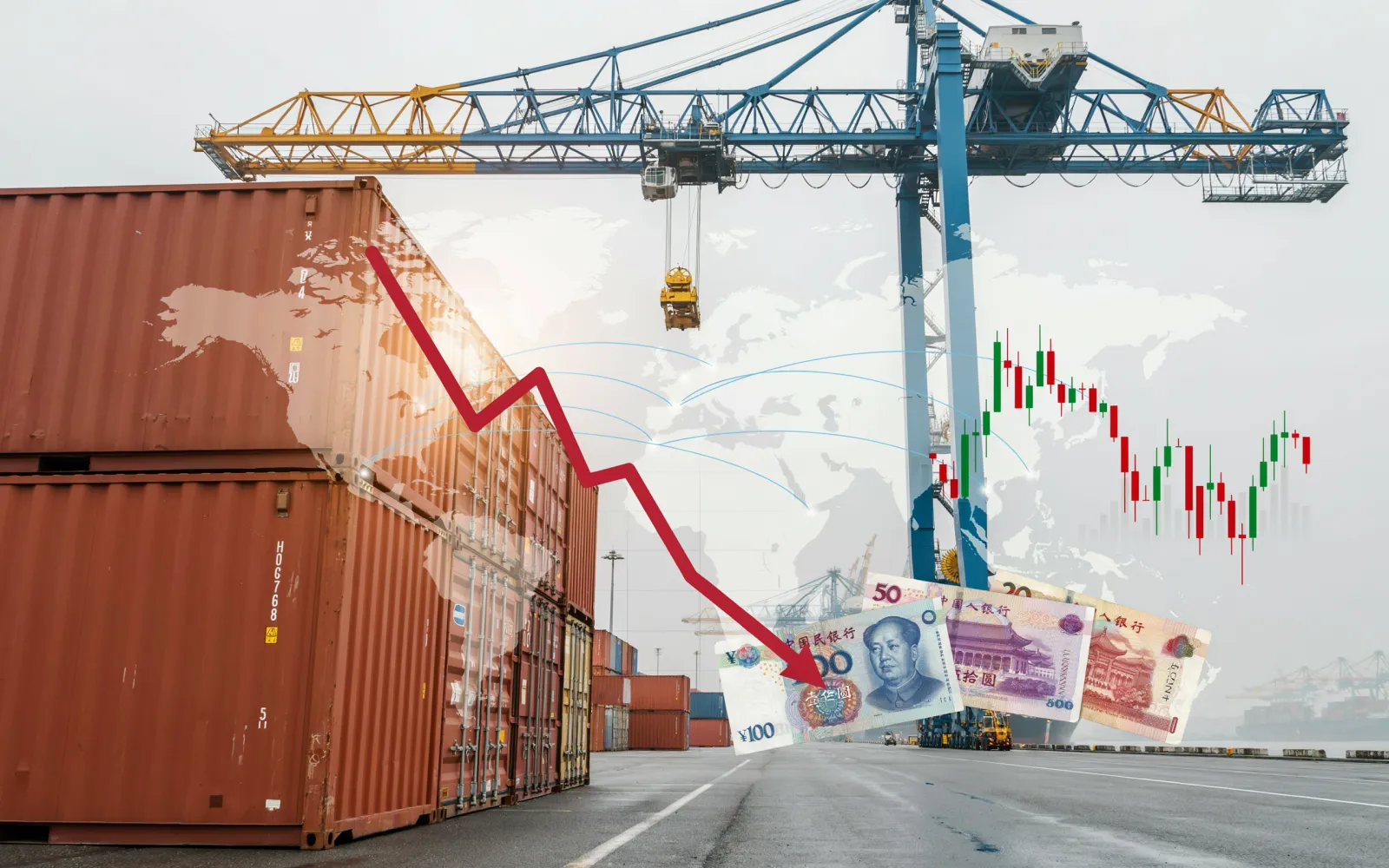
A stronger yuan can hurt China’s export‑dependent companies by making Chinese goods more expensive abroad. It can also deepen the country’s chronic deflationary pressure, a major concern for policymakers. Despite these risks, Chinese economic authorities are not expected to intervene aggressively to slow the yuan’s rise.
During an economic news conference at the National People’s Congress in Beijing on March 6, 2023, Pan Gongsheng, governor of the People’s Bank of China (PBC), said that the yuan’s recent movement against the dollar reflected China’s stable economic recovery, weakness in the dollar index, and a seasonal increase in corporate foreign‑exchange settlement. He also stated that China did not need a yuan depreciation, signaling that authorities were comfortable with the currency’s strength.
The yuan’s transformation from a weak, undervalued currency into one with rising global influence has become increasingly difficult to ignore. However, its continued ascent could create new pressure on China’s exporters and complicate Beijing’s fight against deflation.
The PBC, which operates under the direction of the Chinese Communist Party, has historically managed the yuan’s exchange rate through a daily fixing and a managed float. Recent policy statements suggest that the bank will guard against overshooting risks but will not intervene to force a depreciation.
Looking ahead, analysts and institutions have identified four pillars that could support further appreciation of the yuan in 2026: a stable daily fixing, policy stimulus, capital inflows, and trade dynamics. A Bank of America report from December 2025 forecasted the yuan would strengthen to about 6.8 per U.S. dollar in 2026.
The yuan’s rise also has implications for global markets. As the fifth‑most‑traded currency as of April 2025, movements in the yuan affect foreign‑exchange flows, commodity prices, and the valuation of multinational corporations. The currency’s recent performance has prompted discussions about its role in the broader global financial architecture.
In summary, the yuan’s sharp appreciation to 6.77 yuan per dollar in June 2026 marks a significant milestone in China’s currency history. While the rise reflects strong export performance and global demand, it also poses challenges for China’s export sector and its ongoing battle against deflation. Chinese authorities appear to be monitoring the situation closely, with no immediate plans to intervene, but the possibility of further appreciation remains a topic of concern for economists and market participants alike.
The yuan’s recent gains are part of a broader trend that has lifted the currency from a late‑1990s range near 8 yuan per dollar to a low‑single‑digit level today. Until the end of the last century, the official exchange rate hovered around 8.2 yuan per dollar, while black‑market rates in Beijing and other cities were closer to 9 yuan per dollar. After the 2008 global financial crisis, the yuan strengthened past 8 yuan per dollar and at times traded in a 6‑yuan range.
Early last year, the yuan weakened to about 7 yuan per dollar and stayed near that level for roughly a year. Analysts had warned that the currency could slip to 7.5 yuan per dollar, but the warning proved temporary. The currency rebounded in 2026, returning to the 6‑yuan range and reaching 6.77 yuan per dollar on Wednesday, its highest level since February 15, 2023, when it was at 6.8183 yuan per dollar.
Several factors underpin the yuan’s appreciation. The prolonged war in the Middle East has boosted demand for both the yuan and the U.S. dollar, while China’s large trade surplus—supported by strong exports—has also lifted the currency. Reuters reports indicate that analysts expect the yuan to strengthen further to around 6.5 yuan per dollar, but they also warn that the rise could test China’s fragile economy.
A stronger yuan can hurt China’s export‑dependent companies by making Chinese goods more expensive abroad. It can also deepen the country’s chronic deflationary pressure, a major concern for policymakers. Despite these risks, Chinese economic authorities are not expected to intervene aggressively to slow the yuan’s rise.
During an economic news conference at the National People’s Congress in Beijing on March 6, 2023, Pan Gongsheng, governor of the People’s Bank of China (PBC), said that the yuan’s recent movement against the dollar reflected China’s stable economic recovery, weakness in the dollar index, and a seasonal increase in corporate foreign‑exchange settlement. He also stated that China did not need a yuan depreciation, signaling that authorities were comfortable with the currency’s strength.
The yuan’s transformation from a weak, undervalued currency into one with rising global influence has become increasingly difficult to ignore. However, its continued ascent could create new pressure on China’s exporters and complicate Beijing’s fight against deflation.
The PBC, which operates under the direction of the Chinese Communist Party, has historically managed the yuan’s exchange rate through a daily fixing and a managed float. Recent policy statements suggest that the bank will guard against overshooting risks but will not intervene to force a depreciation.
Looking ahead, analysts and institutions have identified four pillars that could support further appreciation of the yuan in 2026: a stable daily fixing, policy stimulus, capital inflows, and trade dynamics. A Bank of America report from December 2025 forecasted the yuan would strengthen to about 6.8 per U.S. dollar in 2026.
The yuan’s rise also has implications for global markets. As the fifth‑most‑traded currency as of April 2025, movements in the yuan affect foreign‑exchange flows, commodity prices, and the valuation of multinational corporations. The currency’s recent performance has prompted discussions about its role in the broader global financial architecture.
In summary, the yuan’s sharp appreciation to 6.77 yuan per dollar in June 2026 marks a significant milestone in China’s currency history. While the rise reflects strong export performance and global demand, it also poses challenges for China’s export sector and its ongoing battle against deflation. Chinese authorities appear to be monitoring the situation closely, with no immediate plans to intervene, but the possibility of further appreciation remains a topic of concern for economists and market participants alike.