Blab News
7-Year-Old Joey Evermore Claims Youngest Summit of El Capitan Amid Climbing Community Debate
On May 20, 2026, a 7‑year‑old boy named Joey “Danger” Evermore reached the summit of El Capitan in Yosemite National Park, a 3,000‑foot granite monolith that has long been a benchmark for big‑wall climbers. The climb, which took five days, was carried out with the support of a crew of hired climbers who fixed ropes, hauled gear and led the pitches. The Evermore family, which includes Joey’s older brothers Sam and Sylvan, announced the ascent on social media and in a press release, claiming that Joey was the youngest person to reach the top.
The claim has sparked a sharp reaction in the climbing community. Many climbers have expressed skepticism about the nature of the ascent. Chris Kalous, a professional climber and host of the podcast The Enormocast, said, “How could you possibly believe that your child, at that age, is the one who’s motivating this and not you?” He added that the story “just all adds up to ick.” Tommy Caldwell, a well‑known big‑wall climber, noted that “jugging on ropes others put up isn’t the same as climbing El Cap,” and that removing the adult team from the narrative misrepresents what actually occurred.
According to the family’s statements, the father, Joe Evermore, hired a team of guides and porters to assist with the climb. The crew fixed lines and hauled hundreds of pounds of gear. The Evermores later launched a publicity campaign that included a documentary project the father plans to produce about his parenting style, described as “real fathers raising real men.” The father’s decision to hire guides and porters for an ascent that he intentionally publicized has been described by some observers as a “dishonest story” that presents the boys as a self‑sufficient unit.
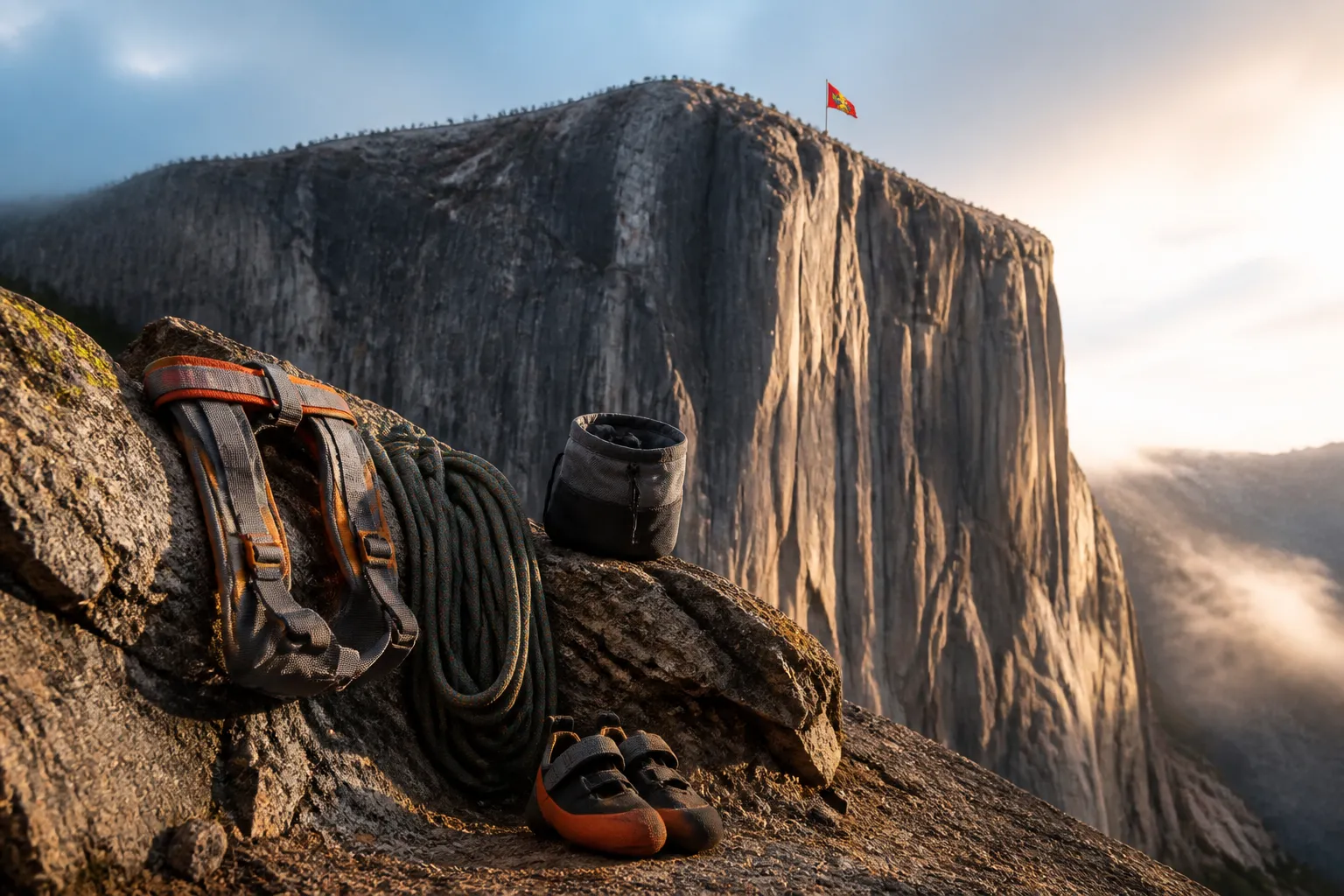
The climbing world’s reaction is rooted in the technical demands of El Capitan. The rock face is a Class 5 climb, and routes such as Iron Hawk and Sea of Dreams require years of training and experience. The International Union of Climbing (IUC) notes that the monolith’s vertical face is about 914 m (3,000 ft) from base to summit. The ascent of a child of Joey’s age, even with a support crew, raises safety and ethical questions.
The National Park Service (NPS) has no record of any formal complaint or investigation into the Evermores’ climb. The NPS does, however, regulate guiding services in the park, and hiring unlicensed guides is prohibited. The father’s claim that the guides were “illegal” is not corroborated by any NPS enforcement action.
The debate also touches on broader issues of media representation and the portrayal of youth achievements. The Evermores’ Instagram feed and the family’s press release emphasized Joey’s age and the family’s involvement, but omitted details about the crew’s role. Some commentators argue that the omission misleads the public about the nature of the climb.
The climbing community’s response has been largely critical. A group of climbers on the Climbing magazine forum posted a thread titled “Why the Story of a 7‑Year‑Old Climbing El Cap Is, Well…” in which members cited the lack of independent verification and the reliance on the family’s narrative. The thread also referenced the father’s plan to produce a documentary that could further shape public perception.
As of June 14, 2026, no official statement has been issued by the NPS or the U.S. Forest Service regarding the legality of the guides or the safety of the climb. The Evermores’ documentary project remains in development, and no release date has been announced.
The incident highlights the tension between family‑driven media projects and the technical realities of big‑wall climbing. While the family celebrates Joey’s achievement, the climbing community continues to question the authenticity of the ascent and the ethical implications of presenting a child’s climb without acknowledging the essential support of experienced climbers.
The debate is ongoing, and it remains to be seen whether the climbing community will accept Joey Evermore’s claim or whether further scrutiny will lead to a reassessment of the event’s legitimacy.
The claim has sparked a sharp reaction in the climbing community. Many climbers have expressed skepticism about the nature of the ascent. Chris Kalous, a professional climber and host of the podcast The Enormocast, said, “How could you possibly believe that your child, at that age, is the one who’s motivating this and not you?” He added that the story “just all adds up to ick.” Tommy Caldwell, a well‑known big‑wall climber, noted that “jugging on ropes others put up isn’t the same as climbing El Cap,” and that removing the adult team from the narrative misrepresents what actually occurred.
According to the family’s statements, the father, Joe Evermore, hired a team of guides and porters to assist with the climb. The crew fixed lines and hauled hundreds of pounds of gear. The Evermores later launched a publicity campaign that included a documentary project the father plans to produce about his parenting style, described as “real fathers raising real men.” The father’s decision to hire guides and porters for an ascent that he intentionally publicized has been described by some observers as a “dishonest story” that presents the boys as a self‑sufficient unit.
The climbing world’s reaction is rooted in the technical demands of El Capitan. The rock face is a Class 5 climb, and routes such as Iron Hawk and Sea of Dreams require years of training and experience. The International Union of Climbing (IUC) notes that the monolith’s vertical face is about 914 m (3,000 ft) from base to summit. The ascent of a child of Joey’s age, even with a support crew, raises safety and ethical questions.
The National Park Service (NPS) has no record of any formal complaint or investigation into the Evermores’ climb. The NPS does, however, regulate guiding services in the park, and hiring unlicensed guides is prohibited. The father’s claim that the guides were “illegal” is not corroborated by any NPS enforcement action.
The debate also touches on broader issues of media representation and the portrayal of youth achievements. The Evermores’ Instagram feed and the family’s press release emphasized Joey’s age and the family’s involvement, but omitted details about the crew’s role. Some commentators argue that the omission misleads the public about the nature of the climb.
The climbing community’s response has been largely critical. A group of climbers on the Climbing magazine forum posted a thread titled “Why the Story of a 7‑Year‑Old Climbing El Cap Is, Well…” in which members cited the lack of independent verification and the reliance on the family’s narrative. The thread also referenced the father’s plan to produce a documentary that could further shape public perception.
As of June 14, 2026, no official statement has been issued by the NPS or the U.S. Forest Service regarding the legality of the guides or the safety of the climb. The Evermores’ documentary project remains in development, and no release date has been announced.
The incident highlights the tension between family‑driven media projects and the technical realities of big‑wall climbing. While the family celebrates Joey’s achievement, the climbing community continues to question the authenticity of the ascent and the ethical implications of presenting a child’s climb without acknowledging the essential support of experienced climbers.
The debate is ongoing, and it remains to be seen whether the climbing community will accept Joey Evermore’s claim or whether further scrutiny will lead to a reassessment of the event’s legitimacy.