Blab News
Argentina Secures 24 Used F-16 Fighters from Denmark After Four Decades Without Modern Jets
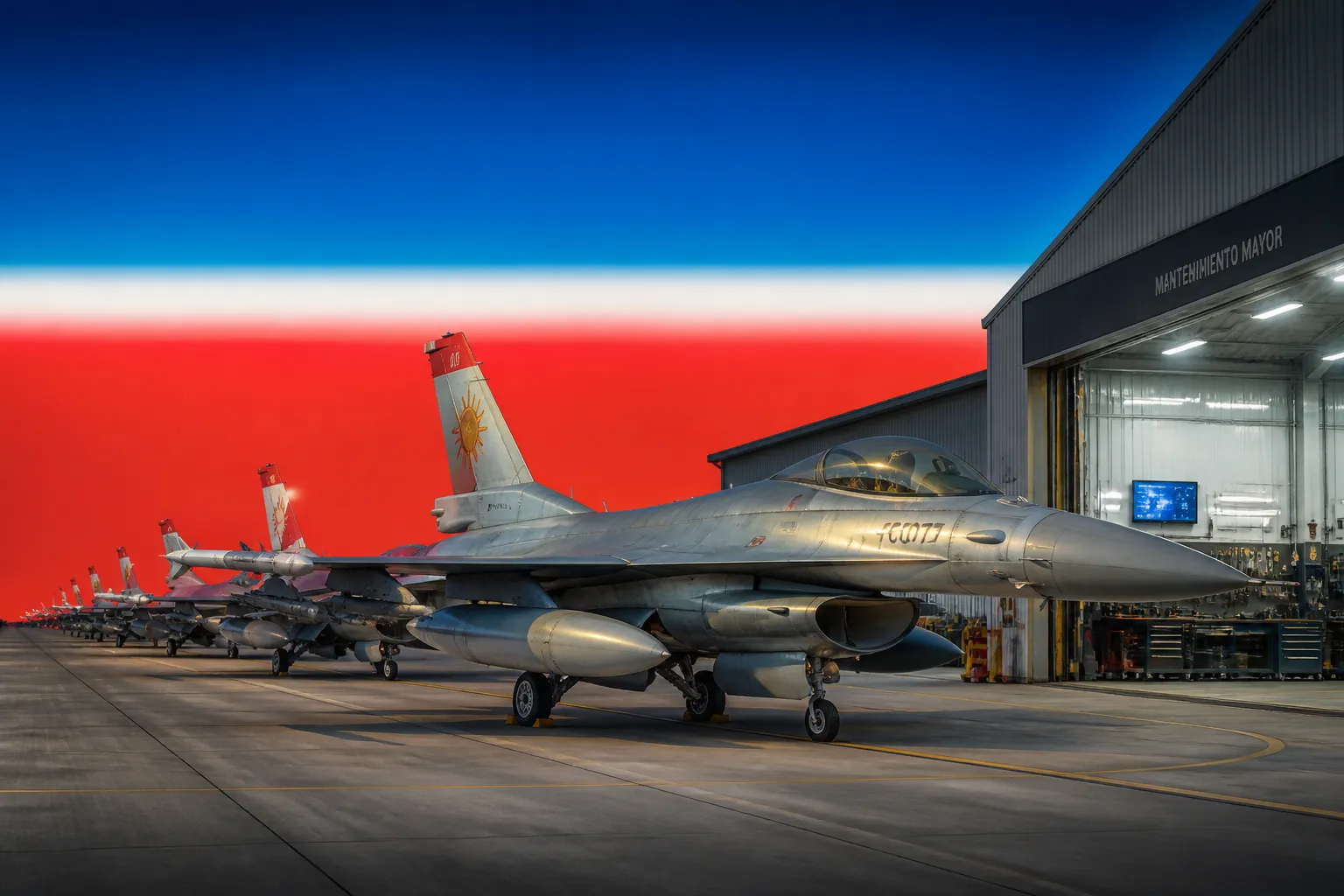
Argentina’s air force has finally reclaimed a modern fighter capability after more than 40 years of waiting. The country has acquired 24 used F‑16 aircraft from Denmark in a deal valued at roughly US$300 million. The first six jets touched down at Río Cuarto air base in December 2025, with the remaining 18 scheduled to arrive over the coming years.
The purchase was made possible by a combination of technical and diplomatic factors. The F‑16s are second‑hand models that have undergone a mid‑life upgrade (MLU) and are equipped with an American ejection seat. Crucially, the aircraft contain no British‑made components, sidestepping the United Kingdom’s post‑Falklands embargo that has historically blocked sales of any jet carrying British parts. The U.S. government approved the transfer in 2023 and reportedly urged the UK to lift its objections, citing concerns that Argentina might otherwise turn to Chinese‑designed fighters.
Argentina’s air force had been without a capable fighter for more than four decades. The 1982 Falklands War ended with a British victory and left the country’s military equipment largely obsolete. Since then, London has maintained a policy of refusing to clear any sale of aircraft that incorporate British technology, a rule that has effectively prevented Argentina from acquiring new fighters from Sweden, Israel, South Korea, and other partners. The F‑16 deal therefore represents a significant shift in Argentina’s defense procurement strategy.
The jets will be based at Río Cuarto in the central province of Córdoba, the same base that once hosted Mirage squadrons. The Argentine Air Force has announced that the new aircraft will restore its ability to conduct air policing and interception missions over the country’s vast airspace. While the F‑16s are older models compared to the latest stealth fighters, they remain capable of air superiority, ground attack, and electronic warfare roles.
According to official statements, the Argentine government has imposed a software restriction on the aircraft’s radar system. The limitation reduces the maximum detection range, a measure that is said to comply with British requests to prevent the jets from threatening British defenses around the Falkland Islands. The restriction is reportedly implemented in software rather than hardware, allowing the aircraft to operate within the specified parameters.
The deal also signals a broader realignment in Argentina’s foreign policy. President Javier Milei and Defense Minister Luis Petri have publicly emphasized a pivot toward Washington and away from potential Chinese or Indian suppliers. The purchase of Western‑made fighters is viewed by analysts as a statement of Argentina’s preference for U.S. technology and support.
The transaction was announced in April 2024, following a contract signed with Denmark. The Danish government confirmed that the U.S. had authorized the transfer and that the sale would proceed under the Foreign Military Sales framework. The first batch of six aircraft was delivered in December 2025, with the remaining 18 scheduled for delivery over the next few years.
The purchase is expected to have economic implications for both countries. The deal is valued at approximately US$300 million, covering the cost of the aircraft and related equipment. For Argentina, the acquisition is a step toward modernizing its air force and restoring a capability that had been absent for more than a decade.
The arrival of the F‑16s has been welcomed by Argentine officials, who described the jets as “guardians of the country’s airspace.” The Argentine Air Force has begun integrating the aircraft into its training and operational plans, with plans to conduct joint exercises and readiness drills.
The deal remains subject to ongoing oversight by U.S. and Danish authorities to ensure compliance with export controls and the imposed software restrictions. The Argentine government has indicated that it will continue to monitor the aircraft’s performance and maintain the agreed limitations.
In summary, Argentina’s acquisition of 24 used F‑16 fighters from Denmark marks the end of a 40‑year period without a modern fighter capability. The deal, enabled by the absence of British components and backed by U.S. approval, reflects a strategic shift toward Western defense partners and introduces a new generation of aircraft into the Argentine Air Force.
The purchase was made possible by a combination of technical and diplomatic factors. The F‑16s are second‑hand models that have undergone a mid‑life upgrade (MLU) and are equipped with an American ejection seat. Crucially, the aircraft contain no British‑made components, sidestepping the United Kingdom’s post‑Falklands embargo that has historically blocked sales of any jet carrying British parts. The U.S. government approved the transfer in 2023 and reportedly urged the UK to lift its objections, citing concerns that Argentina might otherwise turn to Chinese‑designed fighters.
Argentina’s air force had been without a capable fighter for more than four decades. The 1982 Falklands War ended with a British victory and left the country’s military equipment largely obsolete. Since then, London has maintained a policy of refusing to clear any sale of aircraft that incorporate British technology, a rule that has effectively prevented Argentina from acquiring new fighters from Sweden, Israel, South Korea, and other partners. The F‑16 deal therefore represents a significant shift in Argentina’s defense procurement strategy.
The jets will be based at Río Cuarto in the central province of Córdoba, the same base that once hosted Mirage squadrons. The Argentine Air Force has announced that the new aircraft will restore its ability to conduct air policing and interception missions over the country’s vast airspace. While the F‑16s are older models compared to the latest stealth fighters, they remain capable of air superiority, ground attack, and electronic warfare roles.
According to official statements, the Argentine government has imposed a software restriction on the aircraft’s radar system. The limitation reduces the maximum detection range, a measure that is said to comply with British requests to prevent the jets from threatening British defenses around the Falkland Islands. The restriction is reportedly implemented in software rather than hardware, allowing the aircraft to operate within the specified parameters.
The deal also signals a broader realignment in Argentina’s foreign policy. President Javier Milei and Defense Minister Luis Petri have publicly emphasized a pivot toward Washington and away from potential Chinese or Indian suppliers. The purchase of Western‑made fighters is viewed by analysts as a statement of Argentina’s preference for U.S. technology and support.
The transaction was announced in April 2024, following a contract signed with Denmark. The Danish government confirmed that the U.S. had authorized the transfer and that the sale would proceed under the Foreign Military Sales framework. The first batch of six aircraft was delivered in December 2025, with the remaining 18 scheduled for delivery over the next few years.
The purchase is expected to have economic implications for both countries. The deal is valued at approximately US$300 million, covering the cost of the aircraft and related equipment. For Argentina, the acquisition is a step toward modernizing its air force and restoring a capability that had been absent for more than a decade.
The arrival of the F‑16s has been welcomed by Argentine officials, who described the jets as “guardians of the country’s airspace.” The Argentine Air Force has begun integrating the aircraft into its training and operational plans, with plans to conduct joint exercises and readiness drills.
The deal remains subject to ongoing oversight by U.S. and Danish authorities to ensure compliance with export controls and the imposed software restrictions. The Argentine government has indicated that it will continue to monitor the aircraft’s performance and maintain the agreed limitations.
In summary, Argentina’s acquisition of 24 used F‑16 fighters from Denmark marks the end of a 40‑year period without a modern fighter capability. The deal, enabled by the absence of British components and backed by U.S. approval, reflects a strategic shift toward Western defense partners and introduces a new generation of aircraft into the Argentine Air Force.