Blab News
Oil Prices Ease from Wartime Peaks, but Traders Await Formal Agreement on Strait of Hormuz Reopening
Oil prices are sliding back from wartime highs, offering a breath of relief to consumers and businesses. Yet, market expert Vandana Hari of Vanda Insights cautions that the situation remains uncertain until a formal memorandum of understanding (MoU) is signed.
In an interview with ET Now, Hari said the market is moving in the right direction but that traders are likely to stay nervous until the MoU is officially signed. She noted that the MoU is scheduled for Friday and that the four days between the verbal agreement and the formal signing could still bring surprises. Hari added that Brent crude is trading around $83‑$84, about $11 below the peak it reached on February 27, before the war began. While the price has dropped, she expects it to remain in a holding pattern until the MoU is signed.
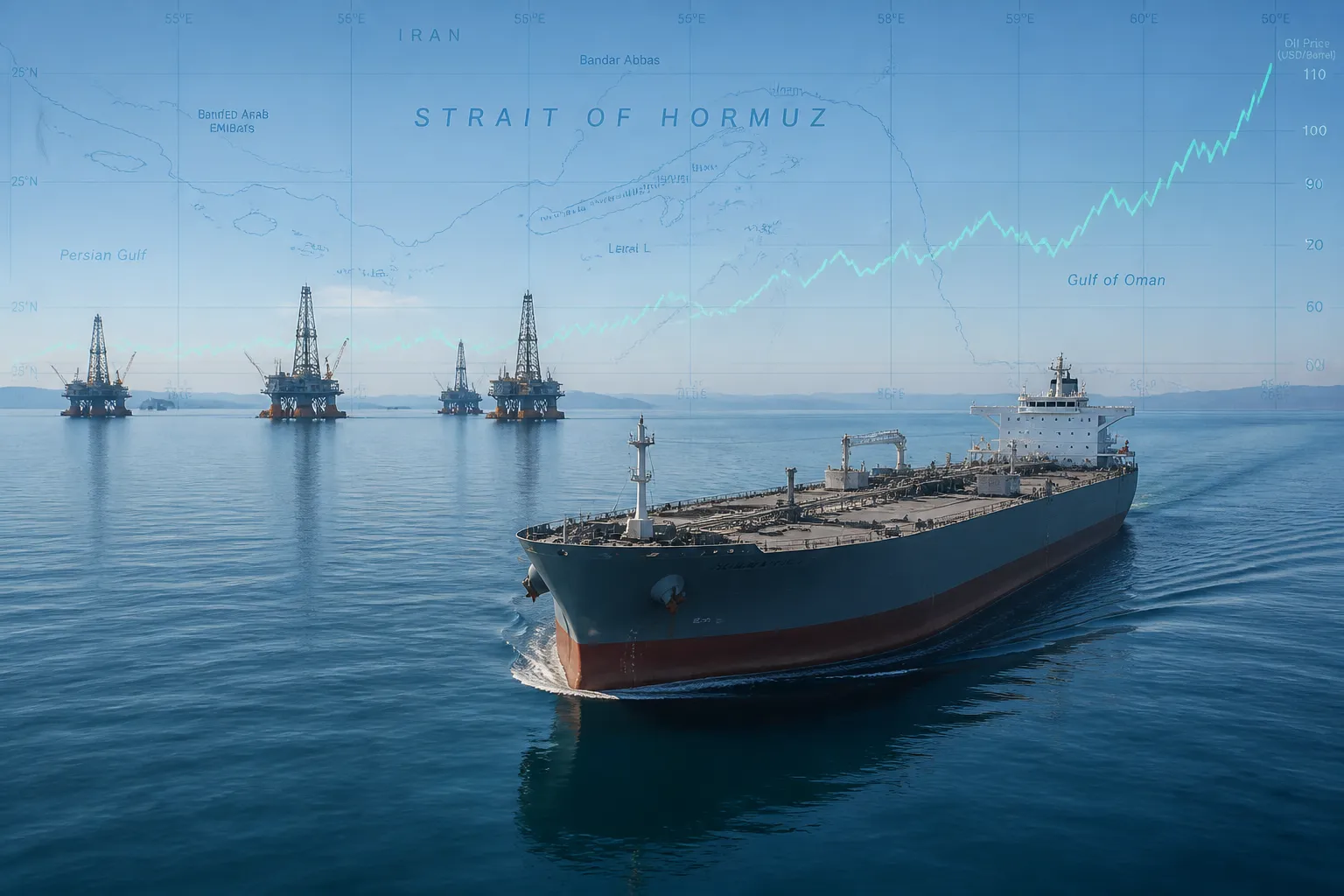
Even if the MoU is signed as expected, Hari believes the oil market’s return to normal will be gradual. The reopening of the Strait of Hormuz – the only sea passage from the Persian Gulf to the open ocean – will be closely watched by traders. She estimates that normalising traffic and production in the region could take two to three months, and that upstream production in Gulf countries will also need time to recover.
Hari stressed that the path ahead is still uncertain. The war has seen many false starts, and there are still unresolved issues, including the contentious nuclear aspects of the agreement that will be discussed over the next 60 days and the Israel‑Lebanon angle. Because of these lingering questions, she cautions that the reopening will not be an uninterrupted, smooth start.
Regarding price expectations, Hari does not see crude prices falling to the $60‑$65 range this year or even early 2027. She believes that the market will not revisit the lows seen before the conflict.
A key debate during the conflict has been whether soaring oil prices caused meaningful demand destruction. Hari argues that what occurred was temporary demand erosion in certain fuel categories, driven by high prices, weaker margins, and policy interventions. She said that jet fuel demand was curtailed as airlines reduced flights, diesel demand fell slightly, gasoline demand was largely unchanged, and there was some impact on naphtha and petrochemical feedstocks. She expects that much of this curtailed demand will return quickly as prices stabilise and economic conditions improve.
On the supply side, the market has been cushioned by strategic petroleum reserve (SPR) releases and reduced Chinese purchases. Hari says that those factors may soon fade. She notes that there will be no more SPR releases once the reopening begins, and that Chinese buying, which had been substantially curbed over the past couple of months, is expected to return.
Looking ahead, Hari sees the next phase of the oil market, over the next six to nine months, defined by how demand and supply balance. She says that the market will be shaped by the return of demand versus the return of supply through the Strait of Hormuz.
For now, oil prices have moved off their crisis peaks, but the long‑term trajectory will depend on whether geopolitical stability can translate into a sustained recovery in trade flows, production, and global energy demand. Traders, policymakers, and industry observers will watch the signing of the MoU, the pace of traffic restoration in the Strait of Hormuz, and the resumption of upstream production to gauge the market’s future direction.
The current situation remains that Brent is around $83‑$84, with no immediate sell‑off expected. The next developments will hinge on the formal signing of the MoU, the reopening of the Strait of Hormuz, and the gradual normalization of supply and demand dynamics in the global oil market.
In an interview with ET Now, Hari said the market is moving in the right direction but that traders are likely to stay nervous until the MoU is officially signed. She noted that the MoU is scheduled for Friday and that the four days between the verbal agreement and the formal signing could still bring surprises. Hari added that Brent crude is trading around $83‑$84, about $11 below the peak it reached on February 27, before the war began. While the price has dropped, she expects it to remain in a holding pattern until the MoU is signed.
Even if the MoU is signed as expected, Hari believes the oil market’s return to normal will be gradual. The reopening of the Strait of Hormuz – the only sea passage from the Persian Gulf to the open ocean – will be closely watched by traders. She estimates that normalising traffic and production in the region could take two to three months, and that upstream production in Gulf countries will also need time to recover.
Hari stressed that the path ahead is still uncertain. The war has seen many false starts, and there are still unresolved issues, including the contentious nuclear aspects of the agreement that will be discussed over the next 60 days and the Israel‑Lebanon angle. Because of these lingering questions, she cautions that the reopening will not be an uninterrupted, smooth start.
Regarding price expectations, Hari does not see crude prices falling to the $60‑$65 range this year or even early 2027. She believes that the market will not revisit the lows seen before the conflict.
A key debate during the conflict has been whether soaring oil prices caused meaningful demand destruction. Hari argues that what occurred was temporary demand erosion in certain fuel categories, driven by high prices, weaker margins, and policy interventions. She said that jet fuel demand was curtailed as airlines reduced flights, diesel demand fell slightly, gasoline demand was largely unchanged, and there was some impact on naphtha and petrochemical feedstocks. She expects that much of this curtailed demand will return quickly as prices stabilise and economic conditions improve.
On the supply side, the market has been cushioned by strategic petroleum reserve (SPR) releases and reduced Chinese purchases. Hari says that those factors may soon fade. She notes that there will be no more SPR releases once the reopening begins, and that Chinese buying, which had been substantially curbed over the past couple of months, is expected to return.
Looking ahead, Hari sees the next phase of the oil market, over the next six to nine months, defined by how demand and supply balance. She says that the market will be shaped by the return of demand versus the return of supply through the Strait of Hormuz.
For now, oil prices have moved off their crisis peaks, but the long‑term trajectory will depend on whether geopolitical stability can translate into a sustained recovery in trade flows, production, and global energy demand. Traders, policymakers, and industry observers will watch the signing of the MoU, the pace of traffic restoration in the Strait of Hormuz, and the resumption of upstream production to gauge the market’s future direction.
The current situation remains that Brent is around $83‑$84, with no immediate sell‑off expected. The next developments will hinge on the formal signing of the MoU, the reopening of the Strait of Hormuz, and the gradual normalization of supply and demand dynamics in the global oil market.