Blab News
Six Palestinians Killed in Israeli Airstrike on Jabalia Refugee Camp, Gaza
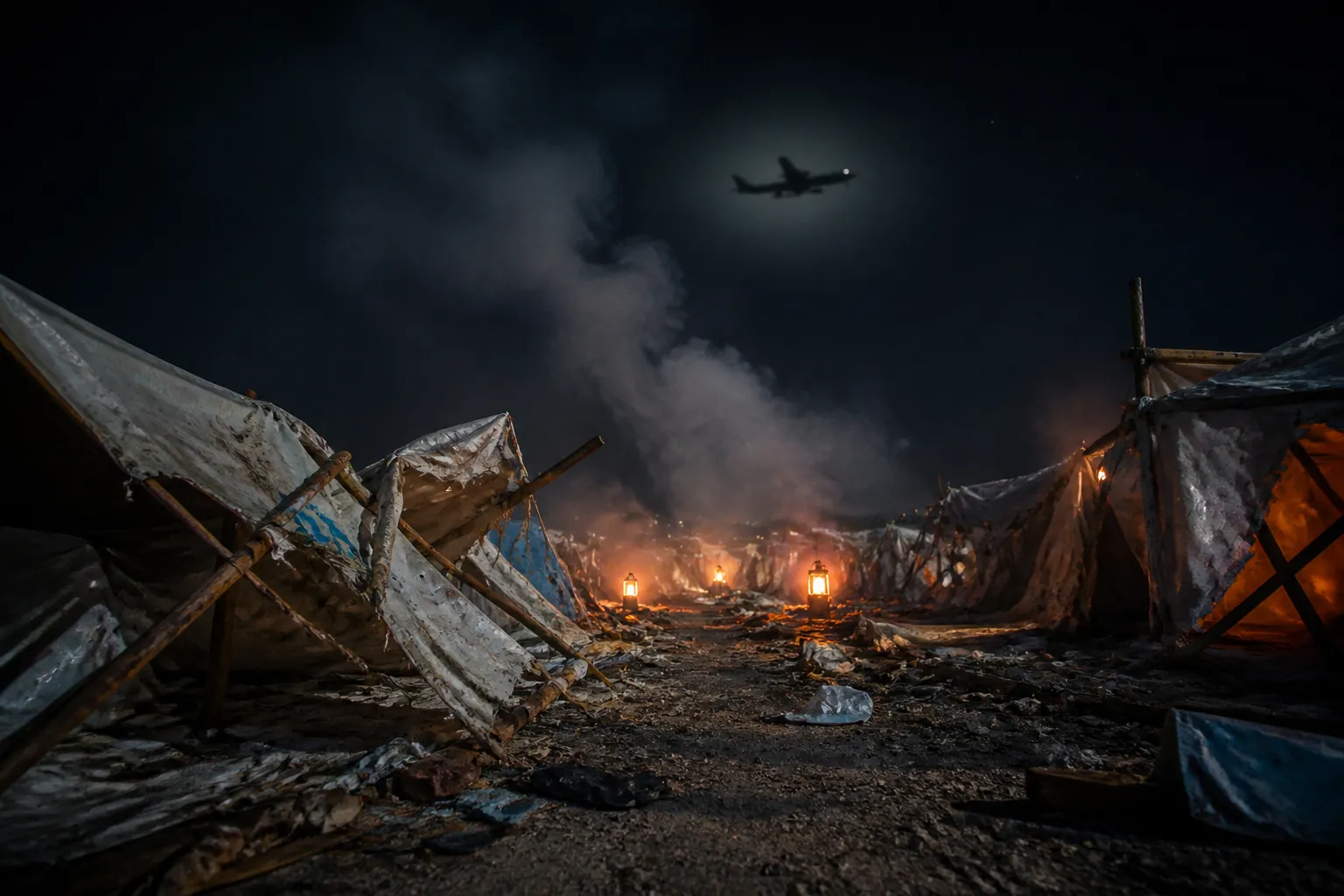
A sudden burst of sound over the Jabalia refugee camp on Sunday turned from a moment of tension into a tragic loss of life. Israeli forces struck a building in the densely populated camp, killing six Palestinians and wounding several others, according to Gaza’s civil defence agency operating under Hamas authority.
The strike, which also left four bodies in the hands of Al‑Shifa hospital in Gaza City, was reported to have hit a structure that housed civilians. Hospital staff treated five injured patients before the morgue received four bodies, a grim tally that underscores the daily risk of civilian casualties in the area.
An Israeli military spokesman told AFP that the airstrike had "struck terrorists," a statement that was issued without naming a specific target or acknowledging the civilian deaths that Gaza officials reported. The lack of detail has fueled confusion and deepened mistrust between the parties.
In addition to the Jabalia incident, the civil defence agency confirmed that two Palestinians were killed by Israeli gunfire in separate skirmishes in the southern Khan Yunis area. The agency did not elaborate on the nature of the gunfire or the identities of the victims, and Israeli forces made no comment on those deaths.
The latest attack comes against a backdrop of violence that has persisted since the ceasefire that took effect on October 10 last year. Gaza’s health ministry, whose figures are considered reliable by the United Nations, reports that 986 Palestinians have been killed in the strip since the truce. Israeli army figures list five deaths among its own ranks over the same period.
Jabalia, situated roughly four kilometres north of Gaza City, is one of the most crowded pockets in the Gaza Strip. Since the 2005 Israeli disengagement and the subsequent blockade imposed by Israel and Egypt, residents have faced repeated bombardments and restrictions on movement and supplies.
The Israeli military’s claim that the strike targeted "terrorists" contrasts sharply with the civil defence agency’s description of the event as a civilian casualty incident. The difficulty of verifying the nature of strikes in such a densely populated environment, where militant groups and civilians often operate in close proximity, is compounded by restrictions on media access imposed by Israel and the limited ability of international observers to enter Gaza.
The incident has drawn criticism from Palestinian authorities and human rights organisations. The Gaza health ministry has called for an independent investigation into the strike, while the United Nations has urged both parties to respect the ceasefire and protect civilians. The United Nations Security Council has repeatedly called for an end to hostilities and for the protection of civilians in the Gaza Strip.
The ongoing violence has severe implications for Gaza’s already fragile humanitarian situation. Hospitals such as Al‑Shifa are operating at capacity, treating injuries from airstrikes and gunfire. The destruction of infrastructure, including water and electricity supplies, has exacerbated shortages of essential services. The international community has repeatedly called for increased humanitarian assistance and a durable political solution to the conflict.
At present, the Israeli military has not issued a statement regarding the two gunfire incidents in Khan Yunis, and no independent investigation has been announced. The Gaza civil defence agency continues to report casualties as they occur, while the health ministry maintains its casualty figures. The situation remains fluid, with both sides accusing each other of violating the ceasefire and targeting civilians. The international community continues to monitor developments closely, with the United Nations and other organisations calling for restraint and the protection of civilian populations in the Gaza Strip.
The strike, which also left four bodies in the hands of Al‑Shifa hospital in Gaza City, was reported to have hit a structure that housed civilians. Hospital staff treated five injured patients before the morgue received four bodies, a grim tally that underscores the daily risk of civilian casualties in the area.
An Israeli military spokesman told AFP that the airstrike had "struck terrorists," a statement that was issued without naming a specific target or acknowledging the civilian deaths that Gaza officials reported. The lack of detail has fueled confusion and deepened mistrust between the parties.
In addition to the Jabalia incident, the civil defence agency confirmed that two Palestinians were killed by Israeli gunfire in separate skirmishes in the southern Khan Yunis area. The agency did not elaborate on the nature of the gunfire or the identities of the victims, and Israeli forces made no comment on those deaths.
The latest attack comes against a backdrop of violence that has persisted since the ceasefire that took effect on October 10 last year. Gaza’s health ministry, whose figures are considered reliable by the United Nations, reports that 986 Palestinians have been killed in the strip since the truce. Israeli army figures list five deaths among its own ranks over the same period.
Jabalia, situated roughly four kilometres north of Gaza City, is one of the most crowded pockets in the Gaza Strip. Since the 2005 Israeli disengagement and the subsequent blockade imposed by Israel and Egypt, residents have faced repeated bombardments and restrictions on movement and supplies.
The Israeli military’s claim that the strike targeted "terrorists" contrasts sharply with the civil defence agency’s description of the event as a civilian casualty incident. The difficulty of verifying the nature of strikes in such a densely populated environment, where militant groups and civilians often operate in close proximity, is compounded by restrictions on media access imposed by Israel and the limited ability of international observers to enter Gaza.
The incident has drawn criticism from Palestinian authorities and human rights organisations. The Gaza health ministry has called for an independent investigation into the strike, while the United Nations has urged both parties to respect the ceasefire and protect civilians. The United Nations Security Council has repeatedly called for an end to hostilities and for the protection of civilians in the Gaza Strip.
The ongoing violence has severe implications for Gaza’s already fragile humanitarian situation. Hospitals such as Al‑Shifa are operating at capacity, treating injuries from airstrikes and gunfire. The destruction of infrastructure, including water and electricity supplies, has exacerbated shortages of essential services. The international community has repeatedly called for increased humanitarian assistance and a durable political solution to the conflict.
At present, the Israeli military has not issued a statement regarding the two gunfire incidents in Khan Yunis, and no independent investigation has been announced. The Gaza civil defence agency continues to report casualties as they occur, while the health ministry maintains its casualty figures. The situation remains fluid, with both sides accusing each other of violating the ceasefire and targeting civilians. The international community continues to monitor developments closely, with the United Nations and other organisations calling for restraint and the protection of civilian populations in the Gaza Strip.