Blab News
Supreme Court Decision on Birthright Citizenship Leaves Pregnant Immigrants in Uncertain Position
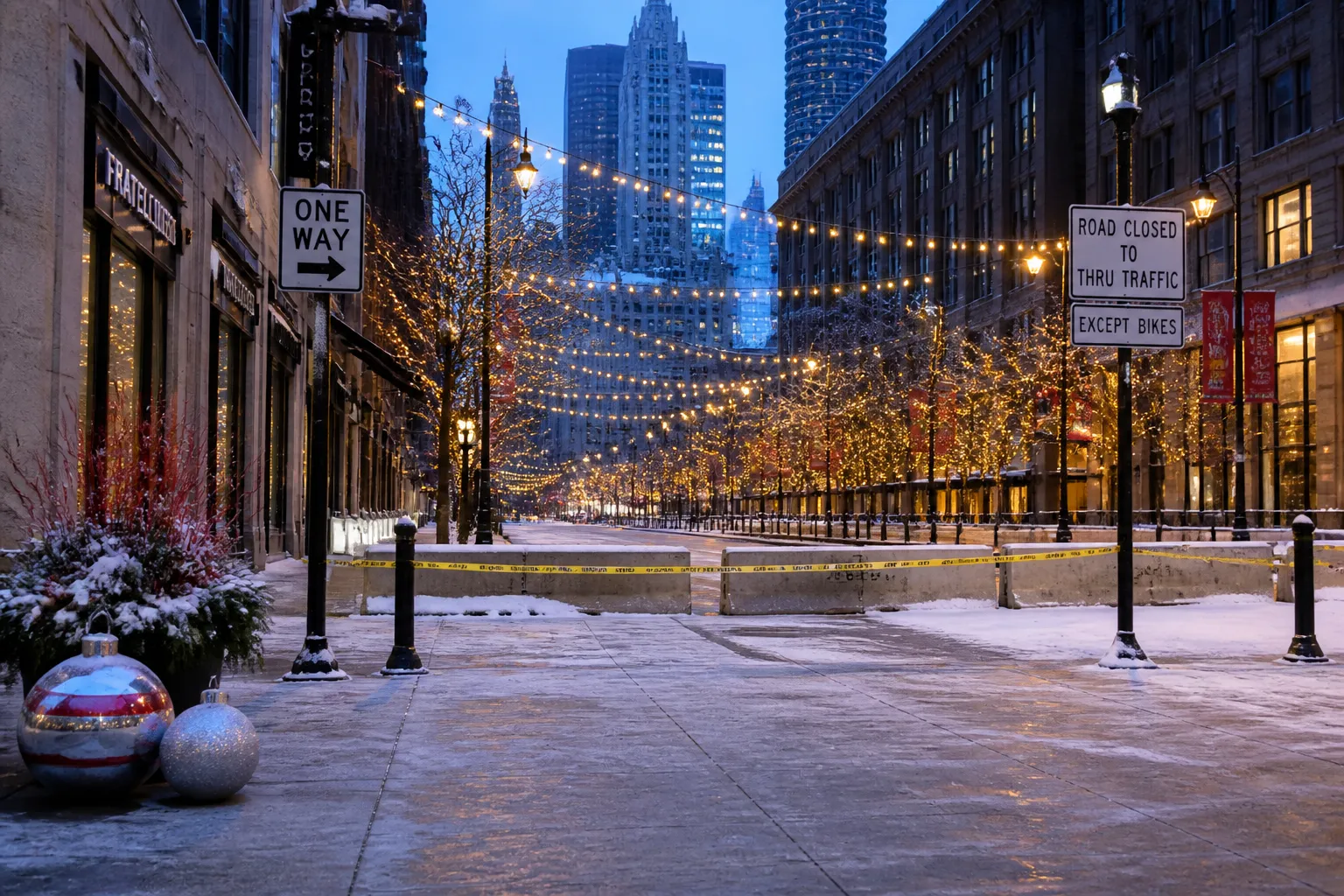
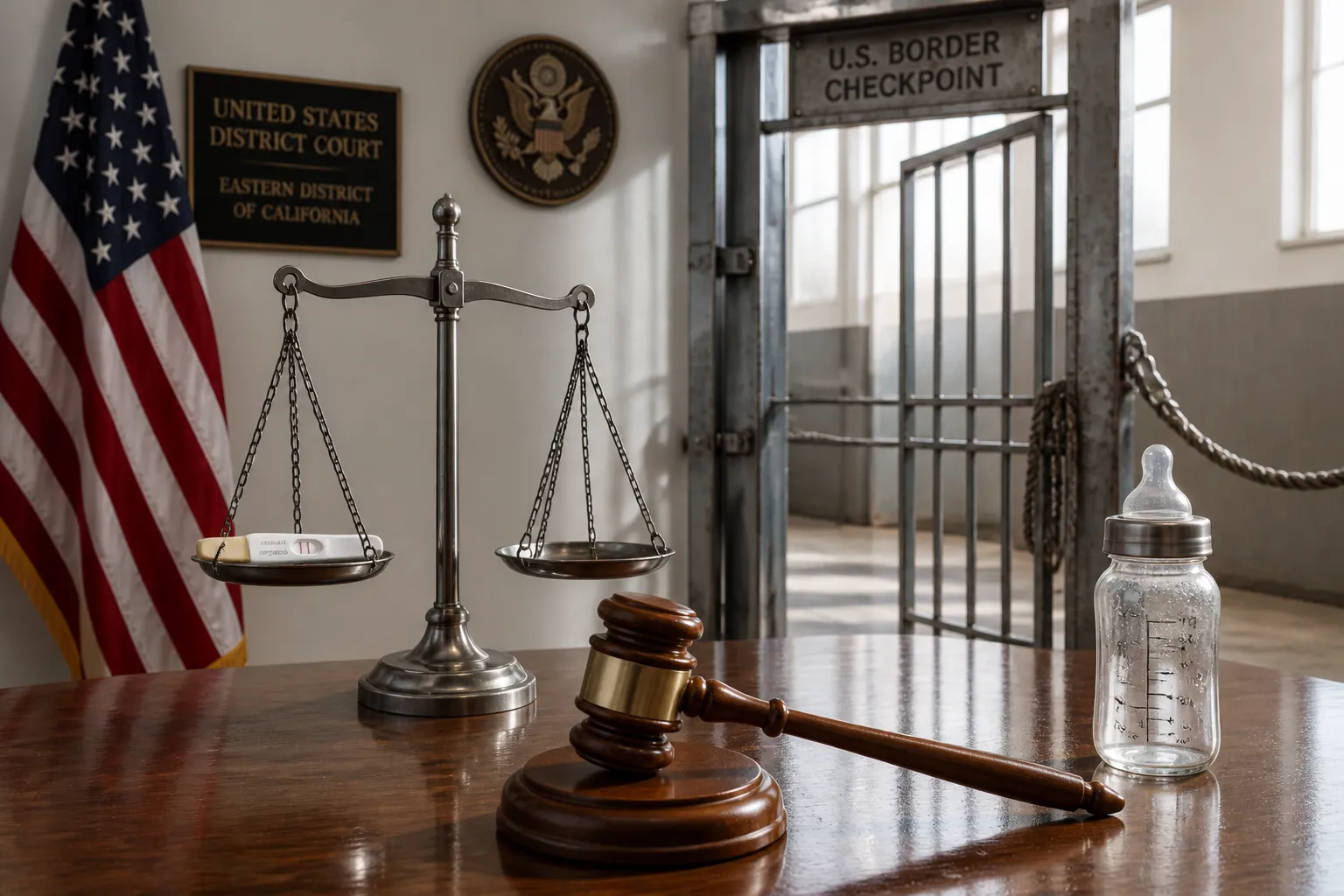
In the heart of Chicago, a quiet tension is building as a Supreme Court case threatens to upend the long‑standing principle that birth inside the United States confers citizenship. Trump v. Barbara, a challenge to a January 2025 executive order, is slated for oral argument on April 1, 2026, and its outcome could leave dozens of pregnant asylum seekers without clear guidance on their unborn children’s status.
Yenifer, a Venezuelan asylum seeker, is seven months pregnant and has spent the last year navigating a maze of legal uncertainty. She arrived in Chicago in 2023 with her partner and five‑year‑old son, hoping to escape the poverty and violence that plagued her homeland. Since the Trump administration’s mass deportation campaign began, her focus has shifted from rebuilding her life to amassing enough money to return home. Now, with the Supreme Court’s decision pending, she anxiously checks her phone for any update, fearing that a ruling in favor of the order could strip her baby girl of U.S. citizenship.
The order itself declares that children born in the United States to parents who are not U.S. citizens or permanent residents will not be recognized as citizens. While lower federal courts have blocked the order, the Supreme Court is reviewing the challenge. The case was filed by a group of pregnant women, including Yenifer, who argue that the order violates the Citizenship Clause of the Fourteenth Amendment.
Other expectant mothers interviewed by the Chicago Sun‑Times and WBEZ share similar anxieties. Liza, a Russian national, worries that a U.S.‑born baby denied citizenship would also be ineligible for Russian citizenship. Trinidad Garcia, another Venezuelan, and her partner have pending asylum applications and fear that the lack of Venezuelan consular services in the United States will prevent them from registering their child’s birth with their home country.
Under current law, the Illinois Department of Public Health sends birth information to the Illinois Vital Records System (IVRS) immediately after delivery. Once the birth is filed, the newborn receives a certified birth certificate, and parents can request a Social Security number. If the executive order takes effect, the federal government could alter that process, but officials have not yet issued guidance. A U.S. Citizenship and Immigration Services memo from last July suggests that the government might create a pathway for some U.S.‑born children denied citizenship to receive a parent’s temporary immigration status, but it does not address children whose parents have no legal status.
Consular services for many countries are severely limited. The Venezuelan embassy in Washington and its regional consulates are inactive, and routine services such as registering a child’s birth are unavailable. The Illinois Venezuelan Alliance reports that the online system SAIME does not automatically register a U.S.‑born child as a Venezuelan, and parents would need a passport to travel to Venezuela.
The United Nations Refugee Agency warns that stateless people often lack access to basic rights, including health care, education, and travel. If the Supreme Court upholds the order, experts say that a new class of U.S.‑born children could be left without citizenship in any country for the first time since the end of slavery.
At present, the Supreme Court has not issued a ruling. The case is scheduled for oral argument on April 1, 2026. Until a decision is announced, pregnant immigrants in Chicago and elsewhere remain uncertain about the legal status of their children, the availability of birth certificates, and the possibility of obtaining citizenship through their home countries.
The outcome will have implications for U.S. immigration policy, the rights of children born to non‑citizen parents, and the operations of consular services in the United States. Legal experts, advocacy groups, and the families themselves are awaiting the Court’s decision, which could reshape the landscape of birthright citizenship for years to come.
Yenifer, a Venezuelan asylum seeker, is seven months pregnant and has spent the last year navigating a maze of legal uncertainty. She arrived in Chicago in 2023 with her partner and five‑year‑old son, hoping to escape the poverty and violence that plagued her homeland. Since the Trump administration’s mass deportation campaign began, her focus has shifted from rebuilding her life to amassing enough money to return home. Now, with the Supreme Court’s decision pending, she anxiously checks her phone for any update, fearing that a ruling in favor of the order could strip her baby girl of U.S. citizenship.
The order itself declares that children born in the United States to parents who are not U.S. citizens or permanent residents will not be recognized as citizens. While lower federal courts have blocked the order, the Supreme Court is reviewing the challenge. The case was filed by a group of pregnant women, including Yenifer, who argue that the order violates the Citizenship Clause of the Fourteenth Amendment.
Other expectant mothers interviewed by the Chicago Sun‑Times and WBEZ share similar anxieties. Liza, a Russian national, worries that a U.S.‑born baby denied citizenship would also be ineligible for Russian citizenship. Trinidad Garcia, another Venezuelan, and her partner have pending asylum applications and fear that the lack of Venezuelan consular services in the United States will prevent them from registering their child’s birth with their home country.
Under current law, the Illinois Department of Public Health sends birth information to the Illinois Vital Records System (IVRS) immediately after delivery. Once the birth is filed, the newborn receives a certified birth certificate, and parents can request a Social Security number. If the executive order takes effect, the federal government could alter that process, but officials have not yet issued guidance. A U.S. Citizenship and Immigration Services memo from last July suggests that the government might create a pathway for some U.S.‑born children denied citizenship to receive a parent’s temporary immigration status, but it does not address children whose parents have no legal status.
Consular services for many countries are severely limited. The Venezuelan embassy in Washington and its regional consulates are inactive, and routine services such as registering a child’s birth are unavailable. The Illinois Venezuelan Alliance reports that the online system SAIME does not automatically register a U.S.‑born child as a Venezuelan, and parents would need a passport to travel to Venezuela.
The United Nations Refugee Agency warns that stateless people often lack access to basic rights, including health care, education, and travel. If the Supreme Court upholds the order, experts say that a new class of U.S.‑born children could be left without citizenship in any country for the first time since the end of slavery.
At present, the Supreme Court has not issued a ruling. The case is scheduled for oral argument on April 1, 2026. Until a decision is announced, pregnant immigrants in Chicago and elsewhere remain uncertain about the legal status of their children, the availability of birth certificates, and the possibility of obtaining citizenship through their home countries.
The outcome will have implications for U.S. immigration policy, the rights of children born to non‑citizen parents, and the operations of consular services in the United States. Legal experts, advocacy groups, and the families themselves are awaiting the Court’s decision, which could reshape the landscape of birthright citizenship for years to come.