Blab News
UK Defence Ministers Resign Over Delayed Investment Plan, Highlighting Spending Concerns
On 11 June 2026, John Healey, the Secretary of State for Defence, and Al Carns, the Parliamentary Under‑Secretary for Armed Forces, announced their resignations. In letters to Prime Minister Sir Keir Starmer, the two ministers argued that the government’s Defence Investment Plan (DIP) was inadequate and that the United Kingdom was not spending enough to meet contemporary security challenges.
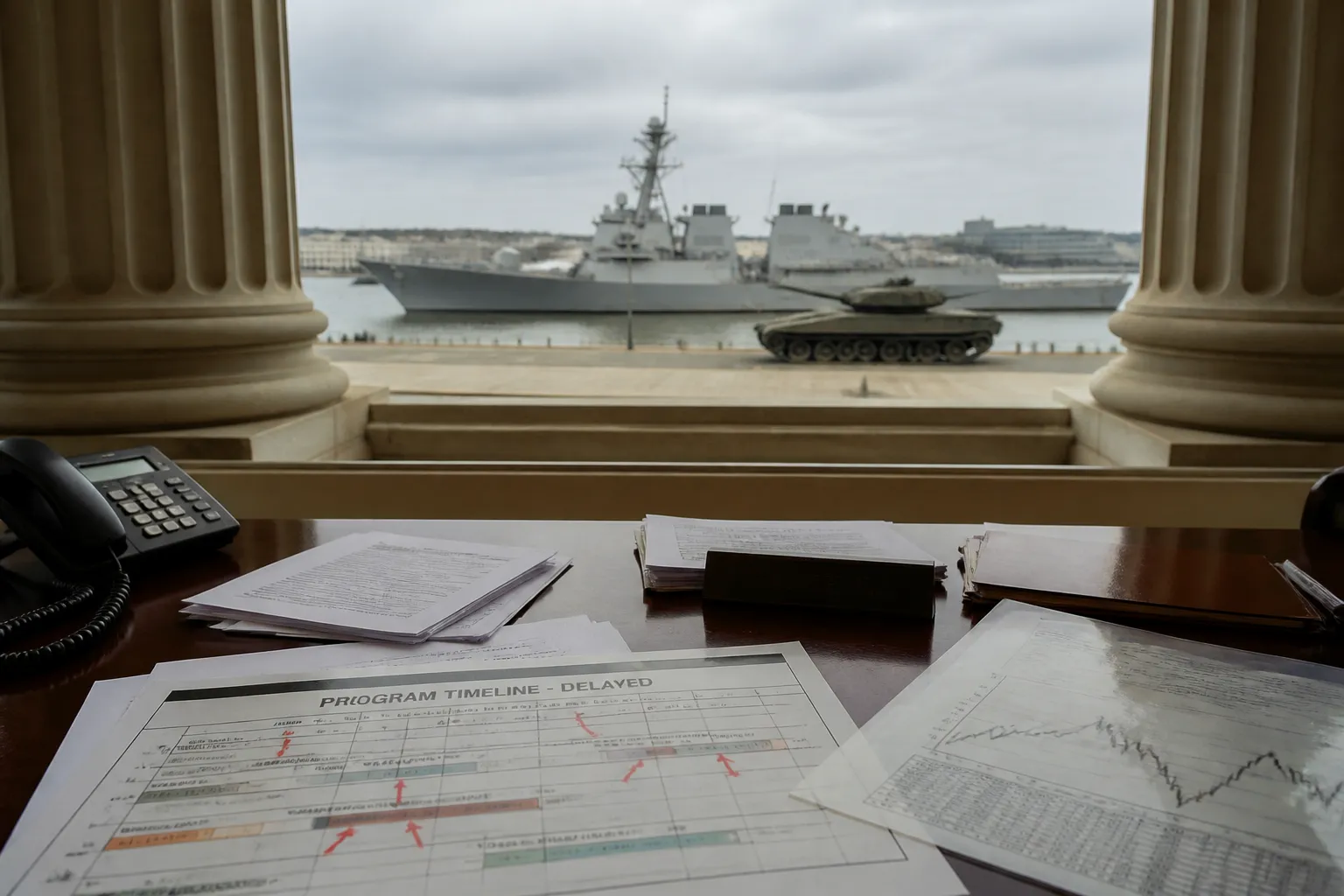
The DIP is a ten‑year programme that was supposed to chart the UK’s defence budget and procurement strategy, yet it has not yet been published. According to the BBC, the plan has been delayed for months, leaving industry and the armed forces without clear guidance. Healey’s resignation letter, released on social media, criticized the plan’s scope and the government’s willingness to fund it. Carns echoed these concerns, saying that the armed forces were being asked to operate in a more dangerous world on a budget written for a calmer one.
These resignations come amid a broader Labour Party leadership crisis that began in 2025, driven by public dissatisfaction with the government’s handling of the cost‑of‑living crisis, tax policy, and, increasingly, defence spending. The United Kingdom has been under pressure from NATO allies to increase defence expenditure. At the 2025 NATO summit in The Hague, member states pledged to raise their defence spending to five per cent of gross domestic product by 2035. The UK’s current defence budget is below that target, and the delay of the DIP has intensified calls for a more decisive investment strategy.
The UK’s defence industry has long been a significant contributor to the national economy. The Ministry of Defence oversees procurement, contingency planning, and the day‑to‑day running of the armed forces. The Defence Investment Plan is intended to support British industry and maintain the country’s strategic autonomy. Critics argue that without a clear plan the UK risks falling behind in technology and capability development, while supporters say a comprehensive strategy is needed to secure future security and economic benefits.
Following Healey’s resignation, the government appointed Dan Jarvis as the new Defence Secretary on 11 June 2026. Jarvis has been tasked with addressing the funding gap and delivering a revised investment strategy. The MOD’s Defence Select Committee will review the new plan, and Parliament will debate its implications for the UK’s role in NATO and other alliances. The resignations have highlighted the tension between the need for increased defence spending and the broader fiscal constraints facing the UK.
The current situation underscores a key question for the United Kingdom: whether it will continue to rely on allies for security or invest enough to maintain a leading role. The government’s next steps will determine how the country balances defence priorities with other public spending demands. The outcome will also influence the UK’s standing within NATO and its ability to support allies such as Canada, Australia, and New Zealand.
The resignations and the appointment of Dan Jarvis signal a turning point in the UK’s defence policy. Parliament will soon debate the details of the new Defence Investment Plan, and the MOD will need to secure funding to meet the 5 % NATO target. The outcome will shape the UK’s security posture and its economic relationship with the defence industry for years to come.
The DIP is a ten‑year programme that was supposed to chart the UK’s defence budget and procurement strategy, yet it has not yet been published. According to the BBC, the plan has been delayed for months, leaving industry and the armed forces without clear guidance. Healey’s resignation letter, released on social media, criticized the plan’s scope and the government’s willingness to fund it. Carns echoed these concerns, saying that the armed forces were being asked to operate in a more dangerous world on a budget written for a calmer one.
These resignations come amid a broader Labour Party leadership crisis that began in 2025, driven by public dissatisfaction with the government’s handling of the cost‑of‑living crisis, tax policy, and, increasingly, defence spending. The United Kingdom has been under pressure from NATO allies to increase defence expenditure. At the 2025 NATO summit in The Hague, member states pledged to raise their defence spending to five per cent of gross domestic product by 2035. The UK’s current defence budget is below that target, and the delay of the DIP has intensified calls for a more decisive investment strategy.
The UK’s defence industry has long been a significant contributor to the national economy. The Ministry of Defence oversees procurement, contingency planning, and the day‑to‑day running of the armed forces. The Defence Investment Plan is intended to support British industry and maintain the country’s strategic autonomy. Critics argue that without a clear plan the UK risks falling behind in technology and capability development, while supporters say a comprehensive strategy is needed to secure future security and economic benefits.
Following Healey’s resignation, the government appointed Dan Jarvis as the new Defence Secretary on 11 June 2026. Jarvis has been tasked with addressing the funding gap and delivering a revised investment strategy. The MOD’s Defence Select Committee will review the new plan, and Parliament will debate its implications for the UK’s role in NATO and other alliances. The resignations have highlighted the tension between the need for increased defence spending and the broader fiscal constraints facing the UK.
The current situation underscores a key question for the United Kingdom: whether it will continue to rely on allies for security or invest enough to maintain a leading role. The government’s next steps will determine how the country balances defence priorities with other public spending demands. The outcome will also influence the UK’s standing within NATO and its ability to support allies such as Canada, Australia, and New Zealand.
The resignations and the appointment of Dan Jarvis signal a turning point in the UK’s defence policy. Parliament will soon debate the details of the new Defence Investment Plan, and the MOD will need to secure funding to meet the 5 % NATO target. The outcome will shape the UK’s security posture and its economic relationship with the defence industry for years to come.