Blab News
US-Iran Draft Memorandum Aims to End Conflict, Reopen Hormuz, but No Official Confirmation Yet
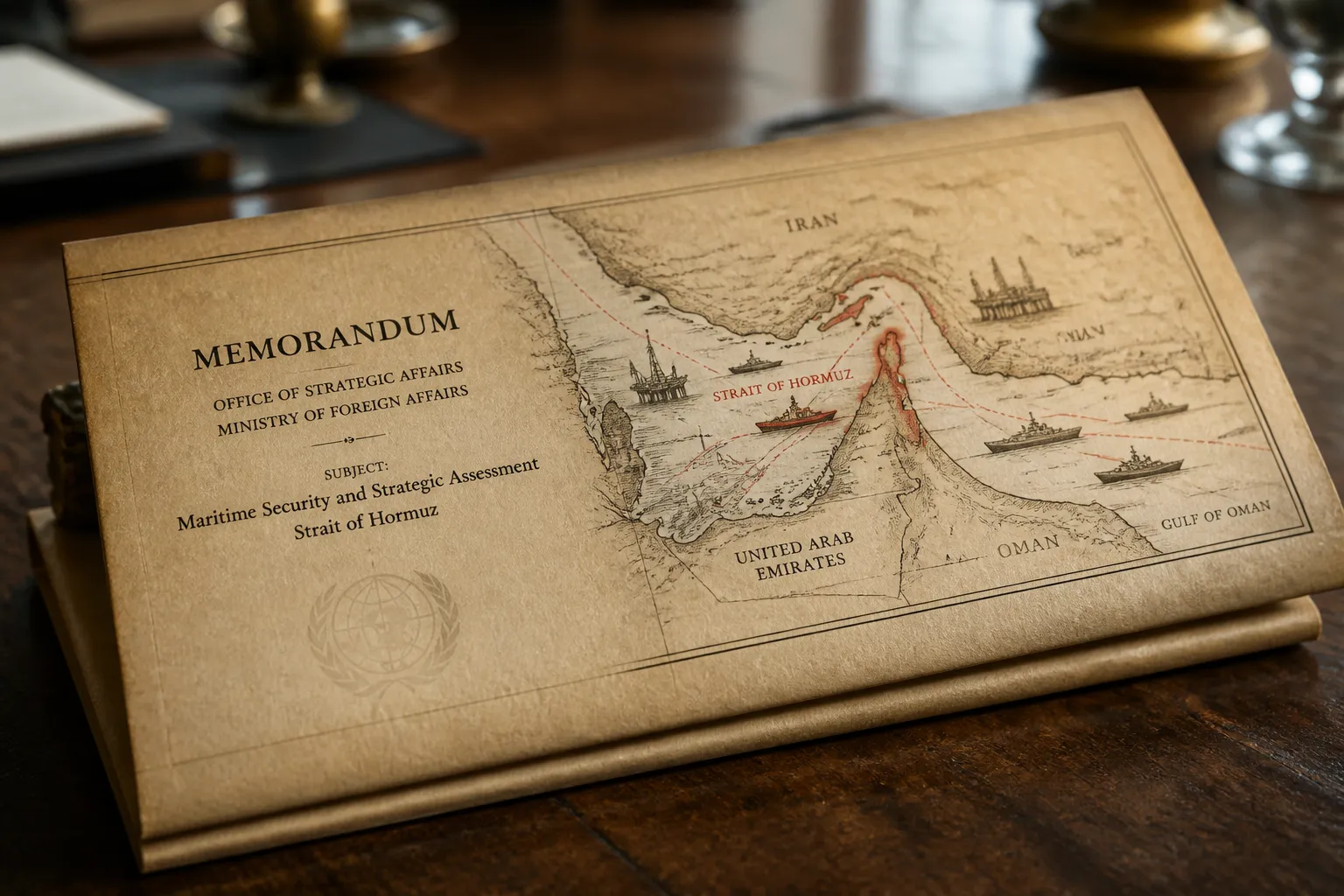
A draft memorandum of understanding between the United States and Iran could finally bring an end to months of hostilities that erupted after a joint U.S.–Israeli strike on February 28, 2026. The document, reported by Iran’s semi‑official Mehr News Agency, lays out a 14‑point framework that would establish a permanent ceasefire, lift sanctions, and reopen the Strait of Hormuz.
According to Mehr, the draft emerged after President Donald Trump and Pakistani Prime Minister Shehbaz Sharif announced that Washington and Tehran had reached a preliminary agreement. The memorandum would require the United States to refrain from interfering in Iran’s internal affairs, withdraw U.S. forces from Iranian‑border areas, and lift the naval blockade within 30 days. It also calls for the reopening of the Strait of Hormuz under Iranian arrangements, the removal of sanctions on Iranian oil and energy exports, and a pledge not to impose new sanctions or expand its military presence in the region.
The agency added that the U.S. and its allies would support reconstruction projects in Iran worth at least $300 billion. Final negotiations, it said, would begin only after part of Iran’s frozen assets are released, oil sanctions are suspended, and the naval blockade is lifted. The draft further proposes that the final agreement be endorsed through a United Nations Security Council resolution.
None of these provisions have been independently verified or officially confirmed by either government. The only publicly confirmed elements come from statements by Trump and Sharif. Trump said the United States would end its naval blockade of Iranian ports and support the reopening of shipping through the Strait of Hormuz, while Sharif indicated that the memorandum is expected to be formally signed in Switzerland on June 19 following technical discussions.
Reuters reported on Monday that U.S. and Iranian officials had agreed on a framework intended to end months of conflict, reopen the Strait of Hormuz, and launch negotiations on unresolved issues, including sanctions relief and Iran’s nuclear programme. The agreement establishes a 60‑day ceasefire period during which both sides are expected to pursue a broader settlement.
Reopening the Strait of Hormuz is seen as one of the most significant aspects of the agreement. The waterway is a critical route for global oil and gas shipments, and disruptions there have raised concerns about energy supplies and contributed to volatility in international markets. Oil prices fell after news of the agreement emerged.
The future of Iran’s nuclear programme remains a sensitive issue. Western governments have long maintained that Iran must not obtain a nuclear weapon, while Tehran insists its nuclear activities are intended for peaceful purposes. Further talks are expected to address uranium enrichment, inspections and other nuclear‑related issues.
Several regional and international actors, including Pakistan, Qatar, Saudi Arabia and Turkey, have been credited with supporting diplomatic efforts that contributed to the agreement. Governments and international organizations have broadly welcomed the breakthrough while emphasizing that its long‑term success will depend on implementation and progress in future negotiations.
The draft memorandum was published amid a broader context of escalating tensions. The United States imposed a full naval blockade of Iranian ports on April 13, 2026, following a joint U.S.–Israeli strike that targeted key Iranian sites. Iran responded by closing the Strait of Hormuz to foreign shipping and detaining several foreign‑flagged vessels.
The United Nations Security Council has not yet adopted a resolution endorsing the memorandum, and no formal signing ceremony has taken place. Analysts note that the agreement, if ratified, would require the release of frozen Iranian assets, the suspension of oil sanctions and the lifting of the naval blockade before negotiations on the nuclear programme could proceed.
The United States and Iran have no formal diplomatic relations since April 7, 2020. Contact between the two countries is conducted through the Iranian Interests Section of the Pakistani Embassy in Washington, D.C., and the U.S. Interests Section of the Swiss Embassy in Tehran. The lack of official diplomatic channels adds uncertainty to the implementation of any agreement.
In the absence of an official confirmation, observers caution that the memorandum remains a draft. The United States and Iran have not yet signed a formal document, and the United Nations has not adopted a resolution to endorse it. The next steps will likely involve technical negotiations in Switzerland, the release of frozen assets, and the lifting of sanctions and the naval blockade.
The outcome of these negotiations will have significant implications for regional security, global energy markets, and the future of Iran’s nuclear programme. Until the memorandum is formally signed and ratified, the situation remains fluid and the potential for renewed hostilities cannot be ruled out.
The United Nations Security Council, the United States, and Iran will need to coordinate closely to ensure that any agreement is implemented in a manner that satisfies the security concerns of all parties involved.
The current status of the agreement is that it remains a draft memorandum reported by Iranian media, with no official confirmation from either side. The next public developments will likely come from formal statements by the U.S. State Department, the Iranian Foreign Ministry, or a joint press conference in Switzerland.
According to Mehr, the draft emerged after President Donald Trump and Pakistani Prime Minister Shehbaz Sharif announced that Washington and Tehran had reached a preliminary agreement. The memorandum would require the United States to refrain from interfering in Iran’s internal affairs, withdraw U.S. forces from Iranian‑border areas, and lift the naval blockade within 30 days. It also calls for the reopening of the Strait of Hormuz under Iranian arrangements, the removal of sanctions on Iranian oil and energy exports, and a pledge not to impose new sanctions or expand its military presence in the region.
The agency added that the U.S. and its allies would support reconstruction projects in Iran worth at least $300 billion. Final negotiations, it said, would begin only after part of Iran’s frozen assets are released, oil sanctions are suspended, and the naval blockade is lifted. The draft further proposes that the final agreement be endorsed through a United Nations Security Council resolution.
None of these provisions have been independently verified or officially confirmed by either government. The only publicly confirmed elements come from statements by Trump and Sharif. Trump said the United States would end its naval blockade of Iranian ports and support the reopening of shipping through the Strait of Hormuz, while Sharif indicated that the memorandum is expected to be formally signed in Switzerland on June 19 following technical discussions.
Reuters reported on Monday that U.S. and Iranian officials had agreed on a framework intended to end months of conflict, reopen the Strait of Hormuz, and launch negotiations on unresolved issues, including sanctions relief and Iran’s nuclear programme. The agreement establishes a 60‑day ceasefire period during which both sides are expected to pursue a broader settlement.
Reopening the Strait of Hormuz is seen as one of the most significant aspects of the agreement. The waterway is a critical route for global oil and gas shipments, and disruptions there have raised concerns about energy supplies and contributed to volatility in international markets. Oil prices fell after news of the agreement emerged.
The future of Iran’s nuclear programme remains a sensitive issue. Western governments have long maintained that Iran must not obtain a nuclear weapon, while Tehran insists its nuclear activities are intended for peaceful purposes. Further talks are expected to address uranium enrichment, inspections and other nuclear‑related issues.
Several regional and international actors, including Pakistan, Qatar, Saudi Arabia and Turkey, have been credited with supporting diplomatic efforts that contributed to the agreement. Governments and international organizations have broadly welcomed the breakthrough while emphasizing that its long‑term success will depend on implementation and progress in future negotiations.
The draft memorandum was published amid a broader context of escalating tensions. The United States imposed a full naval blockade of Iranian ports on April 13, 2026, following a joint U.S.–Israeli strike that targeted key Iranian sites. Iran responded by closing the Strait of Hormuz to foreign shipping and detaining several foreign‑flagged vessels.
The United Nations Security Council has not yet adopted a resolution endorsing the memorandum, and no formal signing ceremony has taken place. Analysts note that the agreement, if ratified, would require the release of frozen Iranian assets, the suspension of oil sanctions and the lifting of the naval blockade before negotiations on the nuclear programme could proceed.
The United States and Iran have no formal diplomatic relations since April 7, 2020. Contact between the two countries is conducted through the Iranian Interests Section of the Pakistani Embassy in Washington, D.C., and the U.S. Interests Section of the Swiss Embassy in Tehran. The lack of official diplomatic channels adds uncertainty to the implementation of any agreement.
In the absence of an official confirmation, observers caution that the memorandum remains a draft. The United States and Iran have not yet signed a formal document, and the United Nations has not adopted a resolution to endorse it. The next steps will likely involve technical negotiations in Switzerland, the release of frozen assets, and the lifting of sanctions and the naval blockade.
The outcome of these negotiations will have significant implications for regional security, global energy markets, and the future of Iran’s nuclear programme. Until the memorandum is formally signed and ratified, the situation remains fluid and the potential for renewed hostilities cannot be ruled out.
The United Nations Security Council, the United States, and Iran will need to coordinate closely to ensure that any agreement is implemented in a manner that satisfies the security concerns of all parties involved.
The current status of the agreement is that it remains a draft memorandum reported by Iranian media, with no official confirmation from either side. The next public developments will likely come from formal statements by the U.S. State Department, the Iranian Foreign Ministry, or a joint press conference in Switzerland.