Blab News
VA Directive Orders Removal of LGBTQ+ Initiatives From National Health System
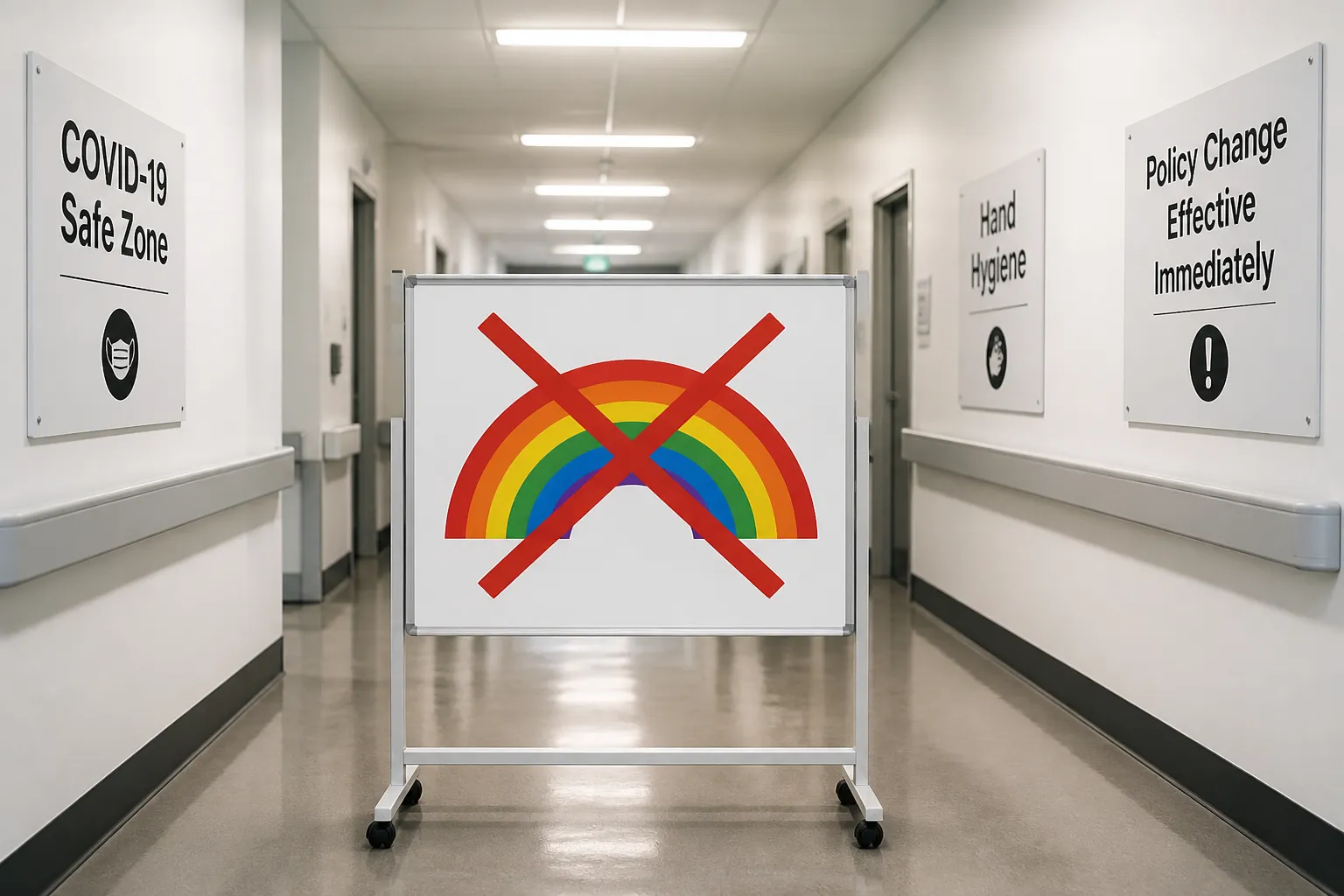
On June 12, the U.S. Department of Veterans Affairs issued a sweeping directive that will strip its health system of all LGBTQ+–specific programs and dissolve the network of care coordinators that had been created to help LGBTQ+ veterans navigate care.
The order, signed by Veterans Health Administration (VHA) Under Secretary for Health John J. Bartrum, requires every VA health facility to eliminate gender‑identity‑based programs and to remove the LGBTQ+ designation from a federal network of medical coordinators. According to an internal memorandum obtained by The Advocate, the directive deletes references to LGBTQ+ and transgender identities from federal programs and cancels the coordinator network that had been established to address documented disparities in care for LGBTQ+ veterans.
The June directive follows a March 2025 decision to rescind VHA Directive 1341, the policy that governed care for transgender and intersex veterans. The March action was described by The Advocate as part of a broader Trump‑era effort to reshape VA policy for LGBTQ+ veterans, and the June order represents the latest installment in that series.
The VA’s LGBTQ+ Program, housed in the Office of Patient Care Services, has long collected data on veterans’ sexual orientation and gender identity to inform policy and improve clinical care. It also maintained a list of LGBTQ+ veteran care coordinators who advised leadership on policy and practice issues related to sexual and gender minority veterans. The June order will eliminate that network.
Officials say the change is intended to streamline VA services, but the directive has raised questions about the future of specialized support for LGBTQ+ veterans. The VA estimates that more than one million LGBTQ+ Americans are military veterans, and that up to 250,000 of them could be served by VA health care if they use the system at the same rate as non‑LGBTQ+ veterans.
The directive does not affect the VA’s broader commitment to provide care to all veterans. The VA remains a Cabinet‑level department that administers benefits such as disability compensation, education assistance, and burial services, while the VHA operates 146 medical centers and 772 community‑based outpatient clinics nationwide.
The impact of the June order on veterans’ access to care is still unfolding. VA officials have said they will work with providers to ensure that the removal of the LGBTQ+ designation does not create gaps in service. The VA has not yet released a detailed implementation plan, and it is unclear how the removal of the coordinators will affect veterans who rely on that support.
The directive is part of a broader trend of policy changes under the Trump administration that have sought to reduce or eliminate references to LGBTQ+ identities in federal programs. The VA’s actions come amid ongoing discussions about how best to address health disparities among LGBTQ+ veterans and how to balance federal policy with the needs of a diverse veteran population.
The order, signed by Veterans Health Administration (VHA) Under Secretary for Health John J. Bartrum, requires every VA health facility to eliminate gender‑identity‑based programs and to remove the LGBTQ+ designation from a federal network of medical coordinators. According to an internal memorandum obtained by The Advocate, the directive deletes references to LGBTQ+ and transgender identities from federal programs and cancels the coordinator network that had been established to address documented disparities in care for LGBTQ+ veterans.
The June directive follows a March 2025 decision to rescind VHA Directive 1341, the policy that governed care for transgender and intersex veterans. The March action was described by The Advocate as part of a broader Trump‑era effort to reshape VA policy for LGBTQ+ veterans, and the June order represents the latest installment in that series.
The VA’s LGBTQ+ Program, housed in the Office of Patient Care Services, has long collected data on veterans’ sexual orientation and gender identity to inform policy and improve clinical care. It also maintained a list of LGBTQ+ veteran care coordinators who advised leadership on policy and practice issues related to sexual and gender minority veterans. The June order will eliminate that network.
Officials say the change is intended to streamline VA services, but the directive has raised questions about the future of specialized support for LGBTQ+ veterans. The VA estimates that more than one million LGBTQ+ Americans are military veterans, and that up to 250,000 of them could be served by VA health care if they use the system at the same rate as non‑LGBTQ+ veterans.
The directive does not affect the VA’s broader commitment to provide care to all veterans. The VA remains a Cabinet‑level department that administers benefits such as disability compensation, education assistance, and burial services, while the VHA operates 146 medical centers and 772 community‑based outpatient clinics nationwide.
The impact of the June order on veterans’ access to care is still unfolding. VA officials have said they will work with providers to ensure that the removal of the LGBTQ+ designation does not create gaps in service. The VA has not yet released a detailed implementation plan, and it is unclear how the removal of the coordinators will affect veterans who rely on that support.
The directive is part of a broader trend of policy changes under the Trump administration that have sought to reduce or eliminate references to LGBTQ+ identities in federal programs. The VA’s actions come amid ongoing discussions about how best to address health disparities among LGBTQ+ veterans and how to balance federal policy with the needs of a diverse veteran population.