Blab News
Valley Forge Flag Company: Supplying the Stars and Stripes for 250 Years of American History
When the United States prepares to celebrate 250 years of independence, one family‑owned flagmaker has already woven itself into the fabric of the nation’s most iconic moments.
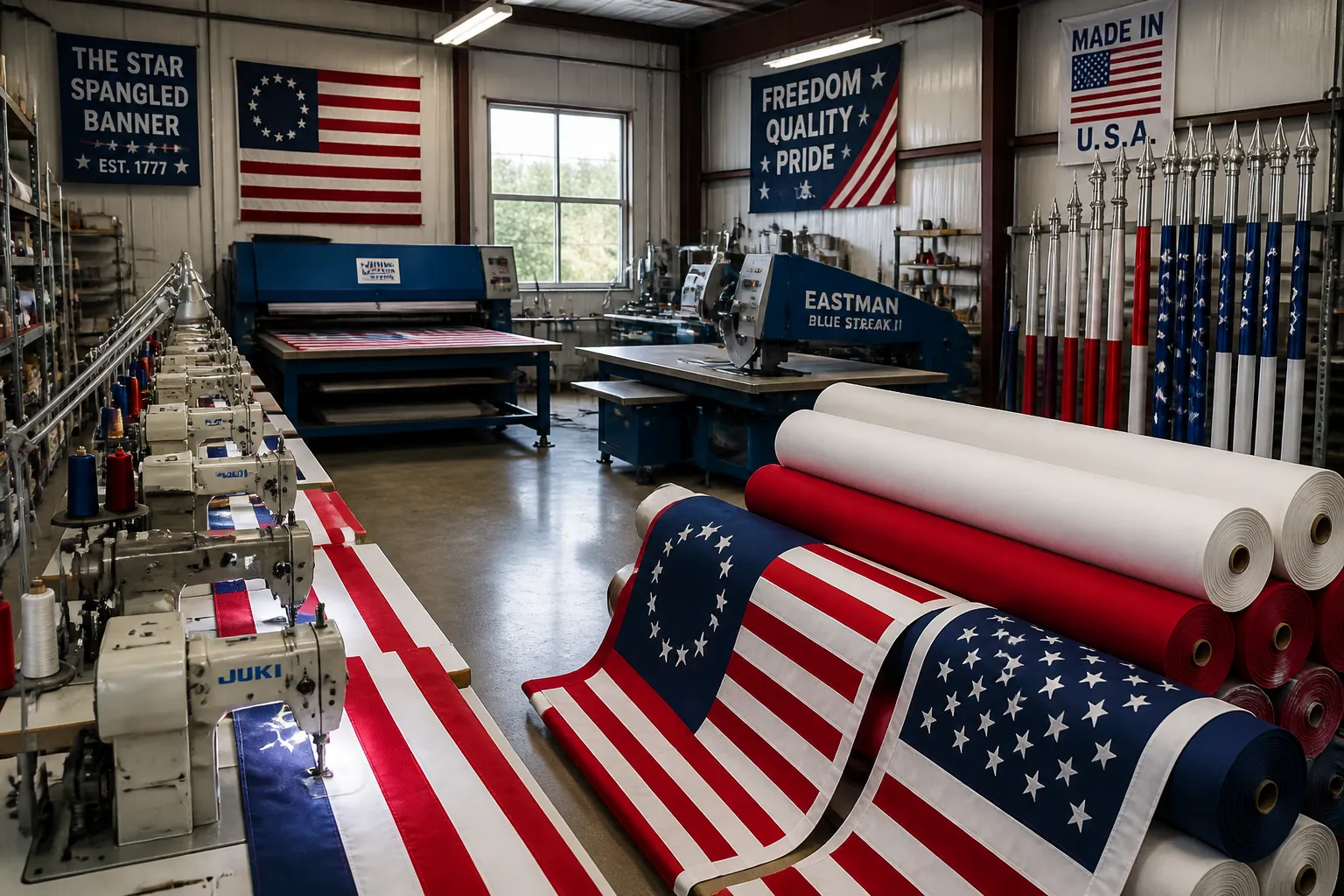
Valley Forge Flag, founded in 1882 in Pennsylvania, has been a silent witness to history. The company began as a humble burlap‑bag business, later turning to World War I surplus—including U.S. flags—and has grown into a network of six manufacturing facilities, including a large wet‑printing plant in Olanta, South Carolina. With roughly 400 workers, the firm insists that every flag it produces is made in the United States from domestic materials, using nylon supplied by a long‑standing government and military contractor.
The company’s leadership points to a lineage of service that spans from the earliest days of the republic to the present. "Our flags were there at Normandy on D‑Day," says Reggie Vandenbosch, vice president of Valley Forge Flag. He adds that a flag from the company was among the first to reach the beach, and that a Valley Forge flag was reportedly flown over Buchenwald after Nazi banners were removed.
Valley Forge flags have also been present during periods of national mourning. Vandenbosch notes that four of the company’s flags were draped over the caskets of four presidents, including John F. Kennedy. The firm claims it recovered a flag from the bottom of the ocean after the Challenger disaster, retrieving a mylar bag that contained the American flag.
Perhaps the most widely recognized example of Valley Forge’s work, according to Vandenbosch, is the flag that Neil Armstrong and Buzz Aldrin planted on the moon in 1969. "Probably the single most prominent flag was the flag that Neil and Buzz planted on the moon," he says.
The company markets its products under the FAA‑certified "Made in the USA" seal, which it says guarantees that every step of production occurs in U.S. facilities with U.S. labor. Demand for American flags is expected to rise as the country marks its 250th anniversary, and Valley Forge positions itself as a steward of the national symbol.
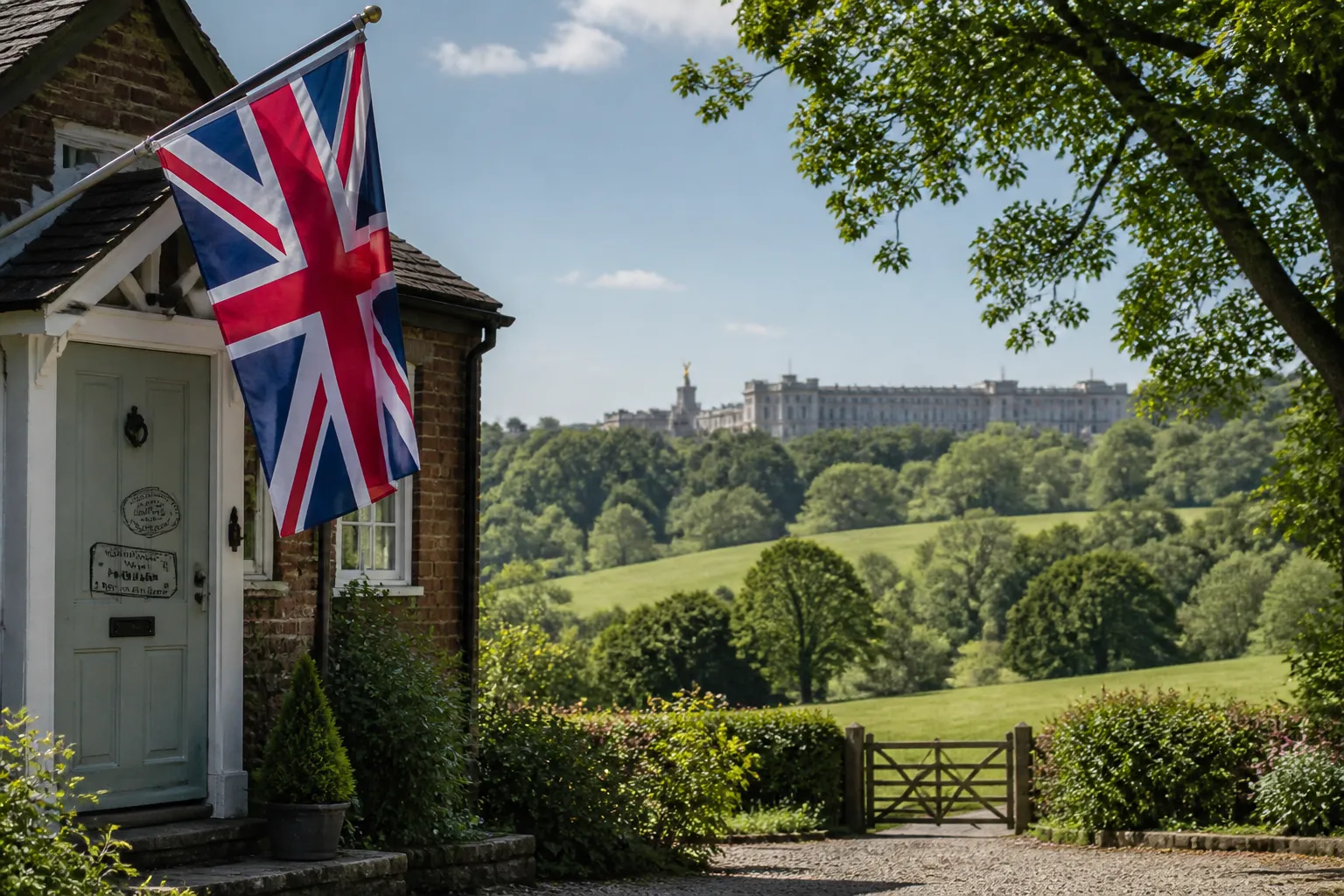
The firm’s narrative is tightly interwoven with the evolution of the U.S. flag itself. Adopted officially by the Second Continental Congress on June 14, 1777, the flag has become a symbol of American identity and has been displayed at the U.S. Capitol, Arlington National Cemetery, and other national memorials.
Valley Forge’s claims of presence at pivotal moments are supported by the company’s own records. Its website lists the Normandy landings, the Buchenwald memorial, presidential funerals, the Challenger recovery, and the Apollo 11 moon landing as key events where its flags were used.
The company’s emphasis on domestic production aligns with broader trends in the U.S. flag industry. The Flag Manufacturers Association of America promotes the "Certified Made in the USA" seal, guaranteeing that every step of the manufacturing process is completed in U.S. facilities with U.S. labor.
As the nation prepares for its 250th anniversary, Valley Forge Flag continues to produce flags for government, military, and civilian customers. The firm has not announced any new product lines or changes to its manufacturing process, but it remains a key supplier for events that celebrate American history and heritage.
While the company has not publicly detailed its next steps, it is expected to maintain its focus on domestic production and to meet the anticipated increase in demand for American flags as the 250th anniversary approaches.
The story of Valley Forge Flag illustrates how a single family‑owned business has become intertwined with the nation’s most enduring symbol, supplying flags for moments that have defined American history.
Valley Forge Flag, founded in 1882 in Pennsylvania, has been a silent witness to history. The company began as a humble burlap‑bag business, later turning to World War I surplus—including U.S. flags—and has grown into a network of six manufacturing facilities, including a large wet‑printing plant in Olanta, South Carolina. With roughly 400 workers, the firm insists that every flag it produces is made in the United States from domestic materials, using nylon supplied by a long‑standing government and military contractor.
The company’s leadership points to a lineage of service that spans from the earliest days of the republic to the present. "Our flags were there at Normandy on D‑Day," says Reggie Vandenbosch, vice president of Valley Forge Flag. He adds that a flag from the company was among the first to reach the beach, and that a Valley Forge flag was reportedly flown over Buchenwald after Nazi banners were removed.
Valley Forge flags have also been present during periods of national mourning. Vandenbosch notes that four of the company’s flags were draped over the caskets of four presidents, including John F. Kennedy. The firm claims it recovered a flag from the bottom of the ocean after the Challenger disaster, retrieving a mylar bag that contained the American flag.
Perhaps the most widely recognized example of Valley Forge’s work, according to Vandenbosch, is the flag that Neil Armstrong and Buzz Aldrin planted on the moon in 1969. "Probably the single most prominent flag was the flag that Neil and Buzz planted on the moon," he says.
The company markets its products under the FAA‑certified "Made in the USA" seal, which it says guarantees that every step of production occurs in U.S. facilities with U.S. labor. Demand for American flags is expected to rise as the country marks its 250th anniversary, and Valley Forge positions itself as a steward of the national symbol.
The firm’s narrative is tightly interwoven with the evolution of the U.S. flag itself. Adopted officially by the Second Continental Congress on June 14, 1777, the flag has become a symbol of American identity and has been displayed at the U.S. Capitol, Arlington National Cemetery, and other national memorials.
Valley Forge’s claims of presence at pivotal moments are supported by the company’s own records. Its website lists the Normandy landings, the Buchenwald memorial, presidential funerals, the Challenger recovery, and the Apollo 11 moon landing as key events where its flags were used.
The company’s emphasis on domestic production aligns with broader trends in the U.S. flag industry. The Flag Manufacturers Association of America promotes the "Certified Made in the USA" seal, guaranteeing that every step of the manufacturing process is completed in U.S. facilities with U.S. labor.
As the nation prepares for its 250th anniversary, Valley Forge Flag continues to produce flags for government, military, and civilian customers. The firm has not announced any new product lines or changes to its manufacturing process, but it remains a key supplier for events that celebrate American history and heritage.
While the company has not publicly detailed its next steps, it is expected to maintain its focus on domestic production and to meet the anticipated increase in demand for American flags as the 250th anniversary approaches.
The story of Valley Forge Flag illustrates how a single family‑owned business has become intertwined with the nation’s most enduring symbol, supplying flags for moments that have defined American history.