Blab News
Brazil Supreme Court Convicts Eduardo Bolsonaro for Coercion, Imposes Prison Term and Political Ban
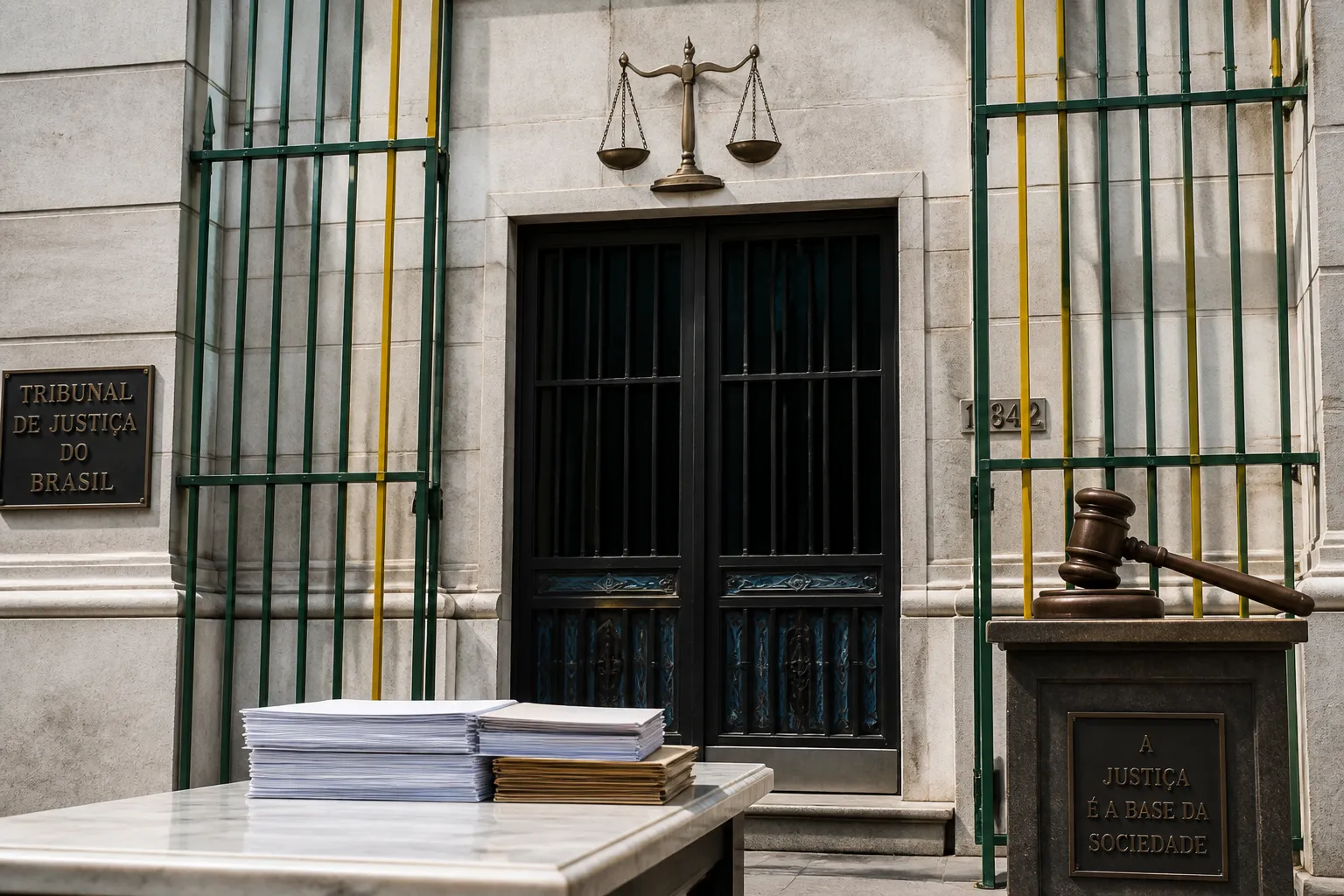
The Supreme Federal Court of Brazil on June 17 unanimously convicted Eduardo Bolsonaro, the son of former President Jair Bolsonaro, for coercion during judicial proceedings. The court, in a decision by the First Panel, sentenced him to four years and two months in prison and imposed a fine of approximately 150,000 reais (about US$30,000). The sentence will be served under a semi‑open regime.
The ruling also triggers the loss of Eduardo Bolsonaro’s political rights under Brazil’s Clean Record Law. The law bars convicted individuals from running for public office for at least eight years, and the court noted that the period of ineligibility could extend beyond 12 years if it begins after the completion of the prison term.
Justice Alexandre de Moraes, who acted as rapporteur, said that Eduardo Bolsonaro moved to the United States in February 2025 with the stated goal of promoting sanctions against Brazilian justices and pressuring the judiciary to influence proceedings involving his father. "It is not the role of a Brazilian federal lawmaker to lobby abroad against his own country," de Moraes said during the session, according to Folha de S.Paulo.
Brazil’s Office of the Prosecutor General presented evidence that Eduardo Bolsonaro used social media posts, public statements and conversations extracted from Jair Bolsonaro’s cellphone to threaten members of the Supreme Federal Court and to interfere in investigations related to the alleged coup plot. The prosecutors also presented a conversation in which Eduardo advised his father to avoid statements that could undermine the efforts he was carrying out in the United States.
Eduardo Bolsonaro, who currently resides in Dallas, Texas, did not attend the trial in person. He did not appoint private attorneys and was represented by the Federal Public Defender’s Office. The defense argued that his activities in the United States constituted legitimate political action and challenged the legality of the proceedings, alleging that he was never properly notified.
The justices rejected those arguments. According to CNN Brasil, de Moraes said that Eduardo’s official registered address was in Brazil and that, after authorities failed to locate him, the court resorted to service by public notice, as provided under Brazilian law.
After the ruling was announced, Eduardo Bolsonaro described the proceedings as a "senseless trial" and said the decision was intended to remove him from Brazilian political life. In a post published in English on his X account on Wednesday, he called on former President Donald Trump to reimpose sanctions against de Moraes. He described the justice as an "authoritarian figure" and claimed that he had been convicted for denouncing alleged human rights violations committed by the justice.
In a video posted on X after the sentence was announced, Bolsonaro said he had been convicted because of the activities he carries out in the United States and reiterated that he was never formally notified of the proceedings. He also said that Brazilian authorities know his residence in Dallas and that he learned about developments in the case through press reports.
The ruling can still be appealed before the Supreme Federal Court. The conviction adds to a series of legal setbacks for the Bolsonaro family. Former President Jair Bolsonaro was sentenced last year to 27 years in prison for his role in an alleged conspiracy to overturn the results of the 2022 election.
The decision comes amid Brazil’s 2026 presidential campaign, in which Senator Flávio Bolsonaro, Eduardo’s brother, is considered one of the leading figures on the right seeking to challenge President Lula in the October election. The legal troubles of the Bolsonaro family may influence the political landscape as the country heads toward its October 4, 2026 general elections.
The case highlights the Brazilian judiciary’s ongoing efforts to enforce the Clean Record Law and to hold public officials accountable for coercion and interference in judicial processes. It also underscores the tensions between the executive branch and the judiciary, particularly in the context of the former president’s legal battles.
The Supreme Federal Court’s decision will be monitored closely by political analysts, legal scholars, and the public as it may have implications for the upcoming election and for the broader debate over the separation of powers in Brazil.
The court’s ruling, which remains subject to appeal, marks a significant moment in Brazil’s legal and political history, illustrating the judiciary’s willingness to confront high‑profile figures and to enforce the rule of law in the face of political pressure.
The ruling also triggers the loss of Eduardo Bolsonaro’s political rights under Brazil’s Clean Record Law. The law bars convicted individuals from running for public office for at least eight years, and the court noted that the period of ineligibility could extend beyond 12 years if it begins after the completion of the prison term.
Justice Alexandre de Moraes, who acted as rapporteur, said that Eduardo Bolsonaro moved to the United States in February 2025 with the stated goal of promoting sanctions against Brazilian justices and pressuring the judiciary to influence proceedings involving his father. "It is not the role of a Brazilian federal lawmaker to lobby abroad against his own country," de Moraes said during the session, according to Folha de S.Paulo.
Brazil’s Office of the Prosecutor General presented evidence that Eduardo Bolsonaro used social media posts, public statements and conversations extracted from Jair Bolsonaro’s cellphone to threaten members of the Supreme Federal Court and to interfere in investigations related to the alleged coup plot. The prosecutors also presented a conversation in which Eduardo advised his father to avoid statements that could undermine the efforts he was carrying out in the United States.
Eduardo Bolsonaro, who currently resides in Dallas, Texas, did not attend the trial in person. He did not appoint private attorneys and was represented by the Federal Public Defender’s Office. The defense argued that his activities in the United States constituted legitimate political action and challenged the legality of the proceedings, alleging that he was never properly notified.
The justices rejected those arguments. According to CNN Brasil, de Moraes said that Eduardo’s official registered address was in Brazil and that, after authorities failed to locate him, the court resorted to service by public notice, as provided under Brazilian law.
After the ruling was announced, Eduardo Bolsonaro described the proceedings as a "senseless trial" and said the decision was intended to remove him from Brazilian political life. In a post published in English on his X account on Wednesday, he called on former President Donald Trump to reimpose sanctions against de Moraes. He described the justice as an "authoritarian figure" and claimed that he had been convicted for denouncing alleged human rights violations committed by the justice.
In a video posted on X after the sentence was announced, Bolsonaro said he had been convicted because of the activities he carries out in the United States and reiterated that he was never formally notified of the proceedings. He also said that Brazilian authorities know his residence in Dallas and that he learned about developments in the case through press reports.
The ruling can still be appealed before the Supreme Federal Court. The conviction adds to a series of legal setbacks for the Bolsonaro family. Former President Jair Bolsonaro was sentenced last year to 27 years in prison for his role in an alleged conspiracy to overturn the results of the 2022 election.
The decision comes amid Brazil’s 2026 presidential campaign, in which Senator Flávio Bolsonaro, Eduardo’s brother, is considered one of the leading figures on the right seeking to challenge President Lula in the October election. The legal troubles of the Bolsonaro family may influence the political landscape as the country heads toward its October 4, 2026 general elections.
The case highlights the Brazilian judiciary’s ongoing efforts to enforce the Clean Record Law and to hold public officials accountable for coercion and interference in judicial processes. It also underscores the tensions between the executive branch and the judiciary, particularly in the context of the former president’s legal battles.
The Supreme Federal Court’s decision will be monitored closely by political analysts, legal scholars, and the public as it may have implications for the upcoming election and for the broader debate over the separation of powers in Brazil.
The court’s ruling, which remains subject to appeal, marks a significant moment in Brazil’s legal and political history, illustrating the judiciary’s willingness to confront high‑profile figures and to enforce the rule of law in the face of political pressure.