Blab News
California Governor Gavin Newsom Faces Scrutiny Over $340 Million in Solicited Donations
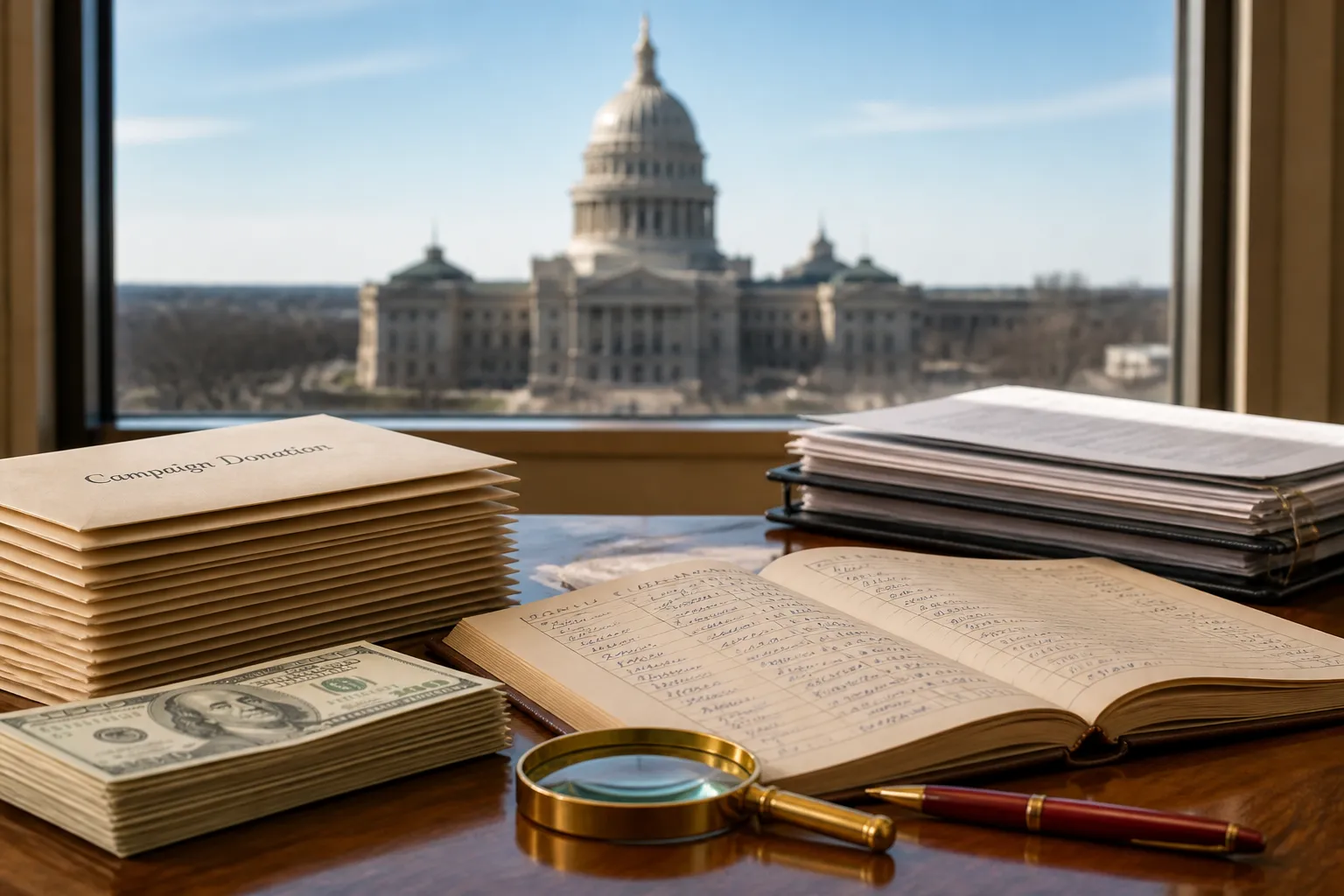
When California’s top office opened its books, a staggering $340 million in solicited donations—known as "behested payments"—came to light. According to state disclosure records, the governor’s office has filed 1,325 separate reports totaling $347,240,506 since 2011, when Newsom served as lieutenant governor.
Behested payments are contributions made to a public official at the official’s request for a charitable, governmental or legislative purpose. California law requires officials to report any such payment that exceeds $5,000 from a single source in a calendar year. The volume of payments reported by Newsom contrasts sharply with that of his predecessor, former Governor Jerry Brown, who solicited only $35.5 million in the same type of contributions from 2010 to 2018.
The bulk of Newsom’s reported contributions came during the COVID‑19 pandemic. In 2020, the governor’s office recorded $226.5 million in behested payments, representing about 65 % of the total since 2011. Monthly peaks included $35.8 million in April, $33.9 million in May, $30.5 million in July, $38.4 million in September and $28.1 million in October. Several high‑profile donors during that period included Blue Shield, which gave $20 million in September 2020, and Kaiser Foundation, which contributed $9.75 million to the COVID‑19 Response Fund in December 2020. Both organizations later received no‑bid state contracts—Blue Shield for vaccine distribution and Kaiser for Medi‑Cal management.
Since 2020, the focus of the governor’s solicited contributions has shifted to climate programs, workforce initiatives, immigrant services, wildfire recovery, official state travel and the California Partners Project, a nonprofit co‑founded by Newsom’s wife, Jennifer Siebel Newsom. The California Partners Project has received roughly $4.8 million in donations since 2020, including $2.3 million from the Federated Indians of Graton Rancheria. The tribe’s leadership has benefited from decisions made by Newsom, such as the appointment of its chairman, Greg Sarris, to the University of California Board of Regents in 2023.
In 2025, the governor’s office reported $18.7 million in solicited donations, with a significant portion earmarked for wildfire recovery. The California Fair Political Practices Commission (FPPC) fined Newsom $31,500 for failing to disclose approximately $5.5 million in donations related to Los Angeles wildfire recovery in a timely manner. The fine was issued after the FPPC determined that the governor’s office had omitted 36 behested‑payment reports that exceeded the $5,000 threshold.
Newsom has denied any wrongdoing amid federal investigations that have reportedly focused on his office and his wife’s nonprofit. In a statement released in February, a spokesperson for the governor said that “charitable contributions play no role in his decision‑making” and that any claim to the contrary is false. The governor has also accused the Department of Justice of launching a politically motivated probe, citing a statement that the investigations were part of a broader “lawfare” campaign by former President Donald Trump.
The FPPC’s investigation into the governor’s reporting practices is ongoing. The commission’s records show that Newsom’s office has filed 1,325 behested‑payment reports, but the agency has identified gaps in the timing and completeness of those filings. The federal probes, which reportedly include inquiries into the California Partners Project and other nonprofits linked to the Newsoms, have not yet resulted in formal charges.
As of June 17, 2026, the situation remains unresolved. The governor’s office continues to cooperate with federal investigators, while the FPPC is expected to release a final decision on the fine and any additional penalties. The California Partners Project and other nonprofits tied to the Newsoms are also under scrutiny for potential conflicts of interest. The state’s political finance landscape will likely be shaped by the outcomes of these investigations, which could influence future campaign‑finance reforms and the conduct of public officials.
Behested payments are contributions made to a public official at the official’s request for a charitable, governmental or legislative purpose. California law requires officials to report any such payment that exceeds $5,000 from a single source in a calendar year. The volume of payments reported by Newsom contrasts sharply with that of his predecessor, former Governor Jerry Brown, who solicited only $35.5 million in the same type of contributions from 2010 to 2018.
The bulk of Newsom’s reported contributions came during the COVID‑19 pandemic. In 2020, the governor’s office recorded $226.5 million in behested payments, representing about 65 % of the total since 2011. Monthly peaks included $35.8 million in April, $33.9 million in May, $30.5 million in July, $38.4 million in September and $28.1 million in October. Several high‑profile donors during that period included Blue Shield, which gave $20 million in September 2020, and Kaiser Foundation, which contributed $9.75 million to the COVID‑19 Response Fund in December 2020. Both organizations later received no‑bid state contracts—Blue Shield for vaccine distribution and Kaiser for Medi‑Cal management.
Since 2020, the focus of the governor’s solicited contributions has shifted to climate programs, workforce initiatives, immigrant services, wildfire recovery, official state travel and the California Partners Project, a nonprofit co‑founded by Newsom’s wife, Jennifer Siebel Newsom. The California Partners Project has received roughly $4.8 million in donations since 2020, including $2.3 million from the Federated Indians of Graton Rancheria. The tribe’s leadership has benefited from decisions made by Newsom, such as the appointment of its chairman, Greg Sarris, to the University of California Board of Regents in 2023.
In 2025, the governor’s office reported $18.7 million in solicited donations, with a significant portion earmarked for wildfire recovery. The California Fair Political Practices Commission (FPPC) fined Newsom $31,500 for failing to disclose approximately $5.5 million in donations related to Los Angeles wildfire recovery in a timely manner. The fine was issued after the FPPC determined that the governor’s office had omitted 36 behested‑payment reports that exceeded the $5,000 threshold.
Newsom has denied any wrongdoing amid federal investigations that have reportedly focused on his office and his wife’s nonprofit. In a statement released in February, a spokesperson for the governor said that “charitable contributions play no role in his decision‑making” and that any claim to the contrary is false. The governor has also accused the Department of Justice of launching a politically motivated probe, citing a statement that the investigations were part of a broader “lawfare” campaign by former President Donald Trump.
The FPPC’s investigation into the governor’s reporting practices is ongoing. The commission’s records show that Newsom’s office has filed 1,325 behested‑payment reports, but the agency has identified gaps in the timing and completeness of those filings. The federal probes, which reportedly include inquiries into the California Partners Project and other nonprofits linked to the Newsoms, have not yet resulted in formal charges.
As of June 17, 2026, the situation remains unresolved. The governor’s office continues to cooperate with federal investigators, while the FPPC is expected to release a final decision on the fine and any additional penalties. The California Partners Project and other nonprofits tied to the Newsoms are also under scrutiny for potential conflicts of interest. The state’s political finance landscape will likely be shaped by the outcomes of these investigations, which could influence future campaign‑finance reforms and the conduct of public officials.