Blab News
LPG Shortage Forces Chennai Metro Contractors to Switch to Firewood and Electric Cooking Amid West Asia War
When the February 2026 conflict in West Asia cut off LPG shipments, Chennai’s Metro construction crews found themselves cooking with firewood instead of gas.
The war severed the Gulf’s main supply line to India, leaving Chennai Metro Rail Limited (CMRL) and its contractors without the commercial cylinders needed for fabrication work on both elevated and underground sections of Phase‑II.
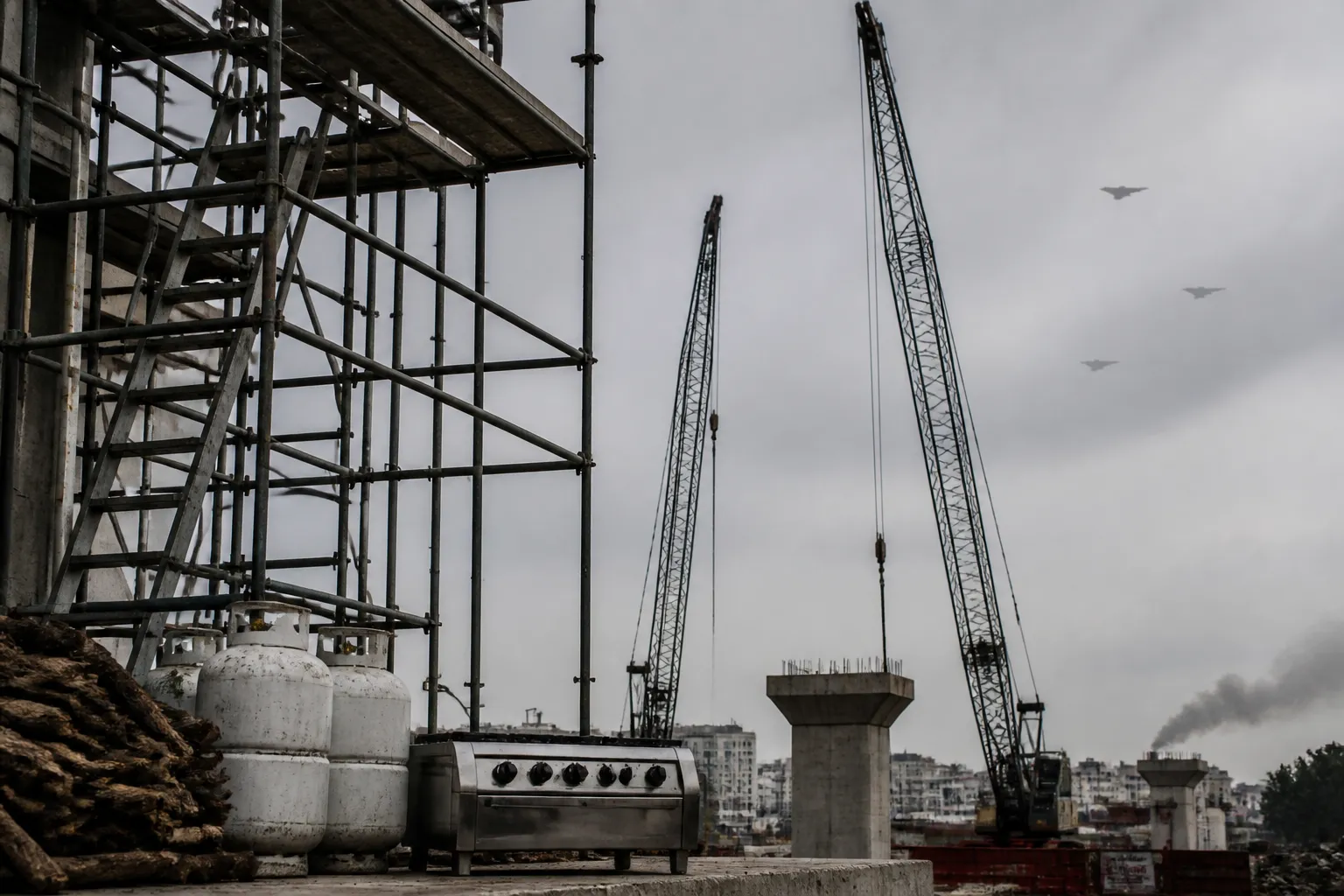
Contractors on three key corridors—Madhavaram to SIPCOT, Poonamallee to Lighthouse, and Madhavaram to Sholinganallur—have had to resort to firewood for cooking in workers’ camps. Others have bought electric roti‑making machines and induction stoves to keep operations running.
CMRL officials say the shortage began after the war halted LPG shipments that normally feed the city’s construction sites. The problem is most acute on stretches such as Kolathur to Villivakkam, Lighthouse to Panagal Park, and Madhavaram to Koyambedu, where contractors reported a significant lack of cylinders.
In the three corridors under construction, contractors require between 450 and 950 cylinders, depending on the size of the work and the number of workers. CMRL sources have reported a shortfall of 200 to 400 cylinders.
An official said the shortage “exacerbated the labour shortage for two months but now most of them are back.” A contractor source added, “We are able to manage for now. Since it seems like the war is coming to an end, we have a feeling that this issue will be resolved in a few weeks.”
The shortage has also forced contractors to buy cylinders at higher prices to avoid delays. The higher cost has added to the project’s budget, but the contractors say the measures are temporary. The use of firewood and electric cooking equipment has allowed them to maintain a workforce and continue fabrication work, although the process is slower than with LPG.
CMRL officials noted that the shortage has already caused a two‑month labour gap in some stretches. The contractors’ ability to resume normal operations has been a relief to the project’s schedule, but the long‑term impact on the Phase‑II timeline remains uncertain.
The LPG crisis is part of a broader energy disruption affecting India. The closure of the Strait of Hormuz by Iran in March 2026 cut off a major route for LPG shipments, leading to nationwide shortages. In response, the government has doubled the allocation of LPG for commercial users to 40 % of previous consumption.
The Chennai Metro Phase‑II project is a key component of the city’s public‑transport expansion. The three corridors under construction will connect major residential and commercial hubs, including the SIPCOT industrial park, the Lighthouse area, and Sholinganallur. Delays in these corridors could affect the overall completion of the 118.9‑km network, which is expected to enhance mobility for millions of Chennai residents.
CMRL has not yet issued a revised timetable for the affected sections. The company is working with contractors to secure additional LPG cylinders and to evaluate alternative cooking solutions. The use of firewood and electric cooking equipment is a stopgap measure, and the company expects the situation to improve as the war in West Asia concludes.
In the meantime, contractors are continuing to deliver work on the elevated and underground sections, albeit at a slower pace. The project’s stakeholders are monitoring the LPG supply closely and are prepared to adjust the schedule if the shortage persists.
The situation remains fluid. While the contractors are managing the shortage, the overall impact on the Phase‑II timeline will depend on the pace at which LPG supplies return to normal levels and on the ability of contractors to secure the required cylinders. The project’s progress will be closely watched by city officials and commuters who anticipate the new metro lines.
As the war in West Asia approaches a potential resolution, Chennai Metro Rail Limited and its contractors are hopeful that the LPG shortage will be resolved within weeks, allowing construction to resume at full speed and the Phase‑II project to stay on track.
The war severed the Gulf’s main supply line to India, leaving Chennai Metro Rail Limited (CMRL) and its contractors without the commercial cylinders needed for fabrication work on both elevated and underground sections of Phase‑II.
Contractors on three key corridors—Madhavaram to SIPCOT, Poonamallee to Lighthouse, and Madhavaram to Sholinganallur—have had to resort to firewood for cooking in workers’ camps. Others have bought electric roti‑making machines and induction stoves to keep operations running.
CMRL officials say the shortage began after the war halted LPG shipments that normally feed the city’s construction sites. The problem is most acute on stretches such as Kolathur to Villivakkam, Lighthouse to Panagal Park, and Madhavaram to Koyambedu, where contractors reported a significant lack of cylinders.
In the three corridors under construction, contractors require between 450 and 950 cylinders, depending on the size of the work and the number of workers. CMRL sources have reported a shortfall of 200 to 400 cylinders.
An official said the shortage “exacerbated the labour shortage for two months but now most of them are back.” A contractor source added, “We are able to manage for now. Since it seems like the war is coming to an end, we have a feeling that this issue will be resolved in a few weeks.”
The shortage has also forced contractors to buy cylinders at higher prices to avoid delays. The higher cost has added to the project’s budget, but the contractors say the measures are temporary. The use of firewood and electric cooking equipment has allowed them to maintain a workforce and continue fabrication work, although the process is slower than with LPG.
CMRL officials noted that the shortage has already caused a two‑month labour gap in some stretches. The contractors’ ability to resume normal operations has been a relief to the project’s schedule, but the long‑term impact on the Phase‑II timeline remains uncertain.
The LPG crisis is part of a broader energy disruption affecting India. The closure of the Strait of Hormuz by Iran in March 2026 cut off a major route for LPG shipments, leading to nationwide shortages. In response, the government has doubled the allocation of LPG for commercial users to 40 % of previous consumption.
The Chennai Metro Phase‑II project is a key component of the city’s public‑transport expansion. The three corridors under construction will connect major residential and commercial hubs, including the SIPCOT industrial park, the Lighthouse area, and Sholinganallur. Delays in these corridors could affect the overall completion of the 118.9‑km network, which is expected to enhance mobility for millions of Chennai residents.
CMRL has not yet issued a revised timetable for the affected sections. The company is working with contractors to secure additional LPG cylinders and to evaluate alternative cooking solutions. The use of firewood and electric cooking equipment is a stopgap measure, and the company expects the situation to improve as the war in West Asia concludes.
In the meantime, contractors are continuing to deliver work on the elevated and underground sections, albeit at a slower pace. The project’s stakeholders are monitoring the LPG supply closely and are prepared to adjust the schedule if the shortage persists.
The situation remains fluid. While the contractors are managing the shortage, the overall impact on the Phase‑II timeline will depend on the pace at which LPG supplies return to normal levels and on the ability of contractors to secure the required cylinders. The project’s progress will be closely watched by city officials and commuters who anticipate the new metro lines.
As the war in West Asia approaches a potential resolution, Chennai Metro Rail Limited and its contractors are hopeful that the LPG shortage will be resolved within weeks, allowing construction to resume at full speed and the Phase‑II project to stay on track.