Blab News
Supreme Court Set to Decide on Trump-Led Moves to Reshape Birthright Citizenship, Federal Reserve, and Independent Agencies
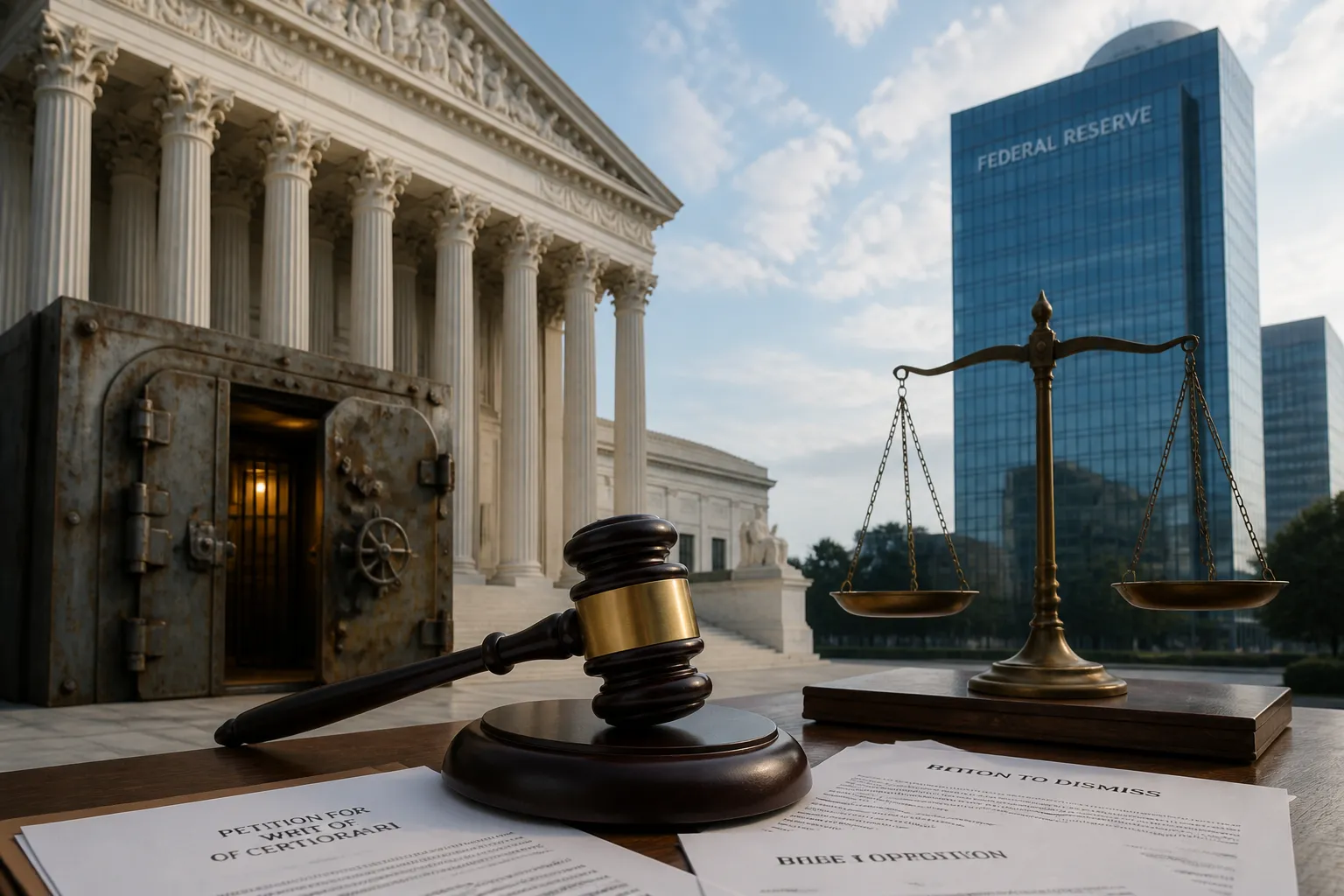
On Thursday, the Supreme Court will issue rulings that could alter the balance of power between the presidency and the nation’s independent agencies. The justices are scheduled to decide on four high‑profile matters: a challenge to President Donald Trump’s 2023 executive order that would limit birthright citizenship, the president’s attempt to remove Federal Reserve Governor Lisa Cook, the dismissal of Federal Trade Commission (FTC) Commissioner Rebecca Slaughter, and the revocation of Temporary Protected Status (TPS) for Haitian and Syrian migrants.
Birthright citizenship has been governed by the 14th Amendment’s citizenship clause for more than a century. Trump’s executive order, issued in 2023, seeks to restrict citizenship to children born in the United States to parents who are lawful permanent residents. The order was blocked by a federal injunction that remains in effect, keeping the existing rule in place. The Supreme Court heard oral arguments on April 1, 2026, and is expected to issue a decision on Thursday. While the court’s conservative majority has historically supported executive authority, the case raises constitutional questions about the amendment’s scope and the limits of presidential power.
The second case concerns the Federal Reserve Board. Governor Lisa Cook, the first Black woman to serve on the board, was appointed by President Joe Biden in 2022. In August 2025, President Trump announced his intent to remove her, citing alleged “deceitful and potentially criminal conduct.” The Federal Reserve Act allows a governor to be removed only “for cause,” a provision designed to protect the central bank’s independence. Cook has filed a lawsuit arguing that her dismissal is unlawful and politically motivated. The Supreme Court’s decision will determine whether the president can override the statutory protection and remove a Fed governor at will.
The third matter involves the FTC. Rebecca Slaughter, a commissioner appointed in 2018, was dismissed by President Trump in 2025. The removal challenges the 1935 Supreme Court precedent in Humphrey’s Executor v. United States, which upheld limits on the president’s ability to fire FTC commissioners without cause. The court’s ruling could either reaffirm the precedent or expand presidential authority to remove independent‑agency officials.
The fourth case addresses TPS, a status that protects migrants from countries experiencing armed conflict or natural disasters. The Trump administration sought to end TPS for Haitian and Syrian beneficiaries, a move that would affect more than 350,000 Haitians and thousands of Syrians. A federal judge previously blocked the revocation, and the Supreme Court is now reviewing the request. The outcome will have implications for the legal status of migrants who have lived in the United States for years and contributed to local economies.
In addition to these cases, the court is also expected to consider Trump‑backed proposals to end TPS for Haitians and Syrians and to expand the government’s authority to turn away asylum seekers at the border. These actions would further shift power toward the executive branch.
Legal scholars note that, despite some anticipated rulings against Trump, the court’s overall direction appears to strengthen executive power. The decisions on the Fed governor and FTC commissioner, in particular, could set new precedents that limit congressional oversight of independent agencies.
The Supreme Court’s upcoming rulings will have far‑reaching consequences. A decision to uphold the birthright citizenship order would alter the legal status of millions of children born in the United States to non‑citizen parents. A ruling that allows the president to remove a Fed governor or FTC commissioner could erode the independence of key regulatory bodies. Conversely, a decision that protects the statutory safeguards would reinforce the checks and balances that have shaped U.S. governance for decades.
The court’s deliberations will conclude on Thursday, and the justices will issue opinions that could reshape the legal landscape for years to come. The outcomes will be closely watched by policymakers, legal experts, and communities affected by the potential changes.
Birthright citizenship has been governed by the 14th Amendment’s citizenship clause for more than a century. Trump’s executive order, issued in 2023, seeks to restrict citizenship to children born in the United States to parents who are lawful permanent residents. The order was blocked by a federal injunction that remains in effect, keeping the existing rule in place. The Supreme Court heard oral arguments on April 1, 2026, and is expected to issue a decision on Thursday. While the court’s conservative majority has historically supported executive authority, the case raises constitutional questions about the amendment’s scope and the limits of presidential power.
The second case concerns the Federal Reserve Board. Governor Lisa Cook, the first Black woman to serve on the board, was appointed by President Joe Biden in 2022. In August 2025, President Trump announced his intent to remove her, citing alleged “deceitful and potentially criminal conduct.” The Federal Reserve Act allows a governor to be removed only “for cause,” a provision designed to protect the central bank’s independence. Cook has filed a lawsuit arguing that her dismissal is unlawful and politically motivated. The Supreme Court’s decision will determine whether the president can override the statutory protection and remove a Fed governor at will.
The third matter involves the FTC. Rebecca Slaughter, a commissioner appointed in 2018, was dismissed by President Trump in 2025. The removal challenges the 1935 Supreme Court precedent in Humphrey’s Executor v. United States, which upheld limits on the president’s ability to fire FTC commissioners without cause. The court’s ruling could either reaffirm the precedent or expand presidential authority to remove independent‑agency officials.
The fourth case addresses TPS, a status that protects migrants from countries experiencing armed conflict or natural disasters. The Trump administration sought to end TPS for Haitian and Syrian beneficiaries, a move that would affect more than 350,000 Haitians and thousands of Syrians. A federal judge previously blocked the revocation, and the Supreme Court is now reviewing the request. The outcome will have implications for the legal status of migrants who have lived in the United States for years and contributed to local economies.
In addition to these cases, the court is also expected to consider Trump‑backed proposals to end TPS for Haitians and Syrians and to expand the government’s authority to turn away asylum seekers at the border. These actions would further shift power toward the executive branch.
Legal scholars note that, despite some anticipated rulings against Trump, the court’s overall direction appears to strengthen executive power. The decisions on the Fed governor and FTC commissioner, in particular, could set new precedents that limit congressional oversight of independent agencies.
The Supreme Court’s upcoming rulings will have far‑reaching consequences. A decision to uphold the birthright citizenship order would alter the legal status of millions of children born in the United States to non‑citizen parents. A ruling that allows the president to remove a Fed governor or FTC commissioner could erode the independence of key regulatory bodies. Conversely, a decision that protects the statutory safeguards would reinforce the checks and balances that have shaped U.S. governance for decades.
The court’s deliberations will conclude on Thursday, and the justices will issue opinions that could reshape the legal landscape for years to come. The outcomes will be closely watched by policymakers, legal experts, and communities affected by the potential changes.