Blab News
US Homeland Security Secretary Calls for Restoring Canada-US Relationship Amid Border Security Concerns
WASHINGTON – U.S. Homeland Security Secretary Markwayne Mullin said the “fracturing” relationship between Canada and the United States needs to be restored to ensure security in both countries. The comments were made during a fireside chat with Canada’s Minister of Public Safety, Gary Anandasangaree, in Washington on Thursday.
Mullin, who was confirmed to the cabinet in March, said that arguments between the two countries expose vulnerabilities that criminal enterprises can exploit. He linked the current strain to the trade war that began in early 2025 when President Donald Trump imposed tariffs on Canadian imports and threatened to annex Canadian territory. Trump declared a border emergency last year in an effort to pressure Canada into accepting the tariffs.
Anandasangaree highlighted Canada’s recent border‑security measures, noting a significant reduction in the flow of illicit substances across the northern border. Canada has increased its border response through additional patrols, technology upgrades, and tighter inspection protocols. According to Canadian officials, these steps have helped curb the movement of fentanyl and other drugs that have fueled overdose deaths in the United States.
The United States has also stepped up its own border enforcement. U.S. Customs and Border Protection has intensified inspections at key crossings and coordinated with Canadian authorities to share intelligence. The two countries have been working together on joint operations to intercept drug shipments and dismantle trafficking networks.
The trade dispute has added strain to the relationship. Trump’s tariffs, which reached 25 percent on most Canadian goods, were intended to protect U.S. industries but have also hurt Canadian exporters. The tariffs have led to increased costs for Canadian businesses and have raised concerns about the long‑term impact on trade flows between the two nations.
Mullin said that restoring a cooperative relationship is essential for both countries’ security. He added that the United States remains committed to working with Canada to address shared challenges, including drug trafficking, cyber threats, and terrorism. Anandasangaree agreed, stating that Canada views the United States as a key partner in maintaining border security and public safety.
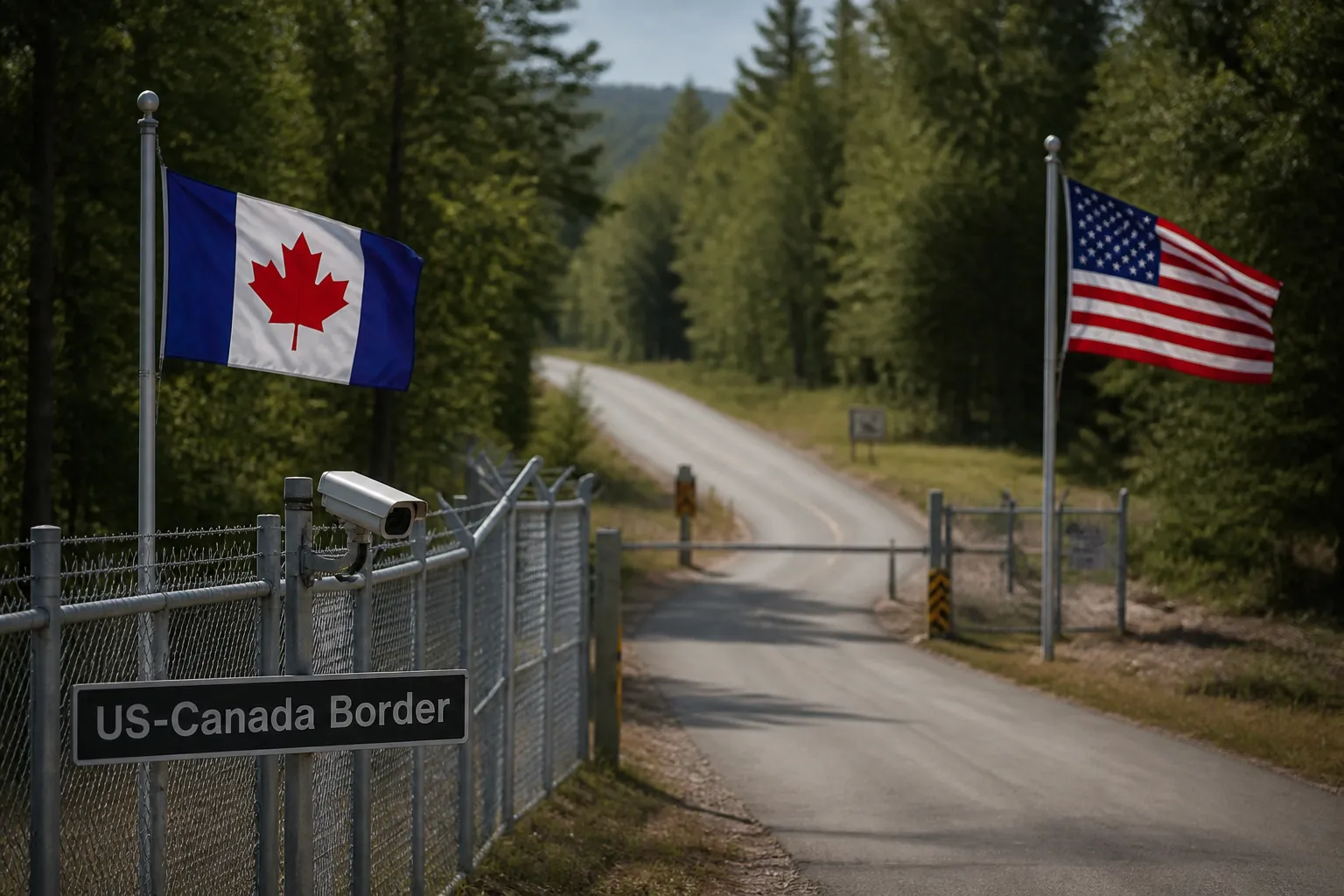
The conversation also touched on the broader context of North American security. The Canada‑United States border is the longest international border in the world, and both countries rely on each other for trade, travel, and security cooperation. Disruptions in the relationship can affect supply chains, emergency response coordination, and joint law‑enforcement efforts.
While the trade war has been a major source of tension, the two governments have continued to engage on other issues. Canada has introduced legislation to strengthen its immigration system and borders, and the United States has pursued initiatives to improve cross‑border infrastructure. Both sides have expressed a desire to move beyond the trade dispute and focus on shared security priorities.
At the end of the chat, Mullin and Anandasangaree reaffirmed their commitment to restoring a strong partnership. They agreed to increase communication and cooperation on border security, drug interdiction, and intelligence sharing. The United States and Canada are expected to hold further meetings to discuss practical steps for improving collaboration.
The situation remains fluid. The trade dispute is still ongoing, and the United States and Canada will need to negotiate a resolution that addresses both economic and security concerns. The two governments have indicated that they will continue to work together to protect their citizens and maintain a stable, secure relationship.
The Canada‑United States border spans more than 8,800 kilometres, making it the longest continuous international boundary in the world. Because the two economies are deeply integrated, any disruption can ripple through supply chains for goods ranging from agricultural products to high‑tech components. Both governments have highlighted the need for coordinated customs procedures and shared technology to keep trade moving while safeguarding against illicit activity.
The tariffs imposed by the United States have increased costs for Canadian exporters of goods such as lumber, dairy, and automotive parts. Canadian industry groups report that the additional duties have raised the price of Canadian products in U.S. markets, potentially reducing demand. Both sides have expressed a willingness to negotiate tariff reductions, but a comprehensive agreement has yet to be reached.
Mullin, who was confirmed to the cabinet in March, said that arguments between the two countries expose vulnerabilities that criminal enterprises can exploit. He linked the current strain to the trade war that began in early 2025 when President Donald Trump imposed tariffs on Canadian imports and threatened to annex Canadian territory. Trump declared a border emergency last year in an effort to pressure Canada into accepting the tariffs.
Anandasangaree highlighted Canada’s recent border‑security measures, noting a significant reduction in the flow of illicit substances across the northern border. Canada has increased its border response through additional patrols, technology upgrades, and tighter inspection protocols. According to Canadian officials, these steps have helped curb the movement of fentanyl and other drugs that have fueled overdose deaths in the United States.
The United States has also stepped up its own border enforcement. U.S. Customs and Border Protection has intensified inspections at key crossings and coordinated with Canadian authorities to share intelligence. The two countries have been working together on joint operations to intercept drug shipments and dismantle trafficking networks.
The trade dispute has added strain to the relationship. Trump’s tariffs, which reached 25 percent on most Canadian goods, were intended to protect U.S. industries but have also hurt Canadian exporters. The tariffs have led to increased costs for Canadian businesses and have raised concerns about the long‑term impact on trade flows between the two nations.
Mullin said that restoring a cooperative relationship is essential for both countries’ security. He added that the United States remains committed to working with Canada to address shared challenges, including drug trafficking, cyber threats, and terrorism. Anandasangaree agreed, stating that Canada views the United States as a key partner in maintaining border security and public safety.
The conversation also touched on the broader context of North American security. The Canada‑United States border is the longest international border in the world, and both countries rely on each other for trade, travel, and security cooperation. Disruptions in the relationship can affect supply chains, emergency response coordination, and joint law‑enforcement efforts.
While the trade war has been a major source of tension, the two governments have continued to engage on other issues. Canada has introduced legislation to strengthen its immigration system and borders, and the United States has pursued initiatives to improve cross‑border infrastructure. Both sides have expressed a desire to move beyond the trade dispute and focus on shared security priorities.
At the end of the chat, Mullin and Anandasangaree reaffirmed their commitment to restoring a strong partnership. They agreed to increase communication and cooperation on border security, drug interdiction, and intelligence sharing. The United States and Canada are expected to hold further meetings to discuss practical steps for improving collaboration.
The situation remains fluid. The trade dispute is still ongoing, and the United States and Canada will need to negotiate a resolution that addresses both economic and security concerns. The two governments have indicated that they will continue to work together to protect their citizens and maintain a stable, secure relationship.
The Canada‑United States border spans more than 8,800 kilometres, making it the longest continuous international boundary in the world. Because the two economies are deeply integrated, any disruption can ripple through supply chains for goods ranging from agricultural products to high‑tech components. Both governments have highlighted the need for coordinated customs procedures and shared technology to keep trade moving while safeguarding against illicit activity.
The tariffs imposed by the United States have increased costs for Canadian exporters of goods such as lumber, dairy, and automotive parts. Canadian industry groups report that the additional duties have raised the price of Canadian products in U.S. markets, potentially reducing demand. Both sides have expressed a willingness to negotiate tariff reductions, but a comprehensive agreement has yet to be reached.