Blab News
National Hurricane Center Adds New Watch Area Near Cabo Verde Amid Quiet Atlantic Season
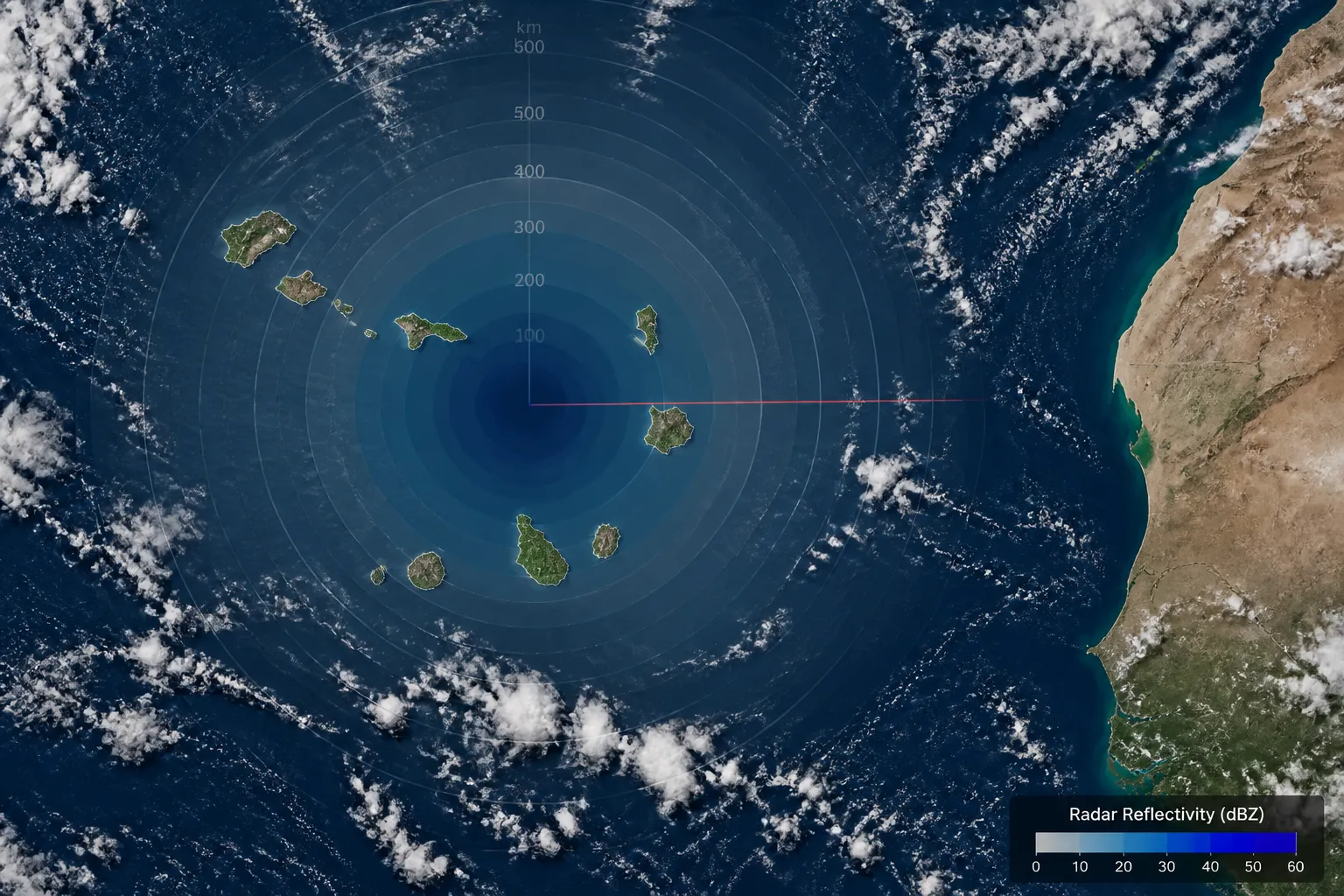
The National Hurricane Center (NHC) has widened its Atlantic outlook by adding a new area of interest southeast of the Cabo Verde Islands. Satellite imagery shows a growing cluster of thunderstorms that is now considered a low‑chance candidate for tropical cyclogenesis within the next 48 hours.
This update comes against the backdrop of an unusually calm 2026 Atlantic hurricane season. Since the season’s official start on June 1, only one named storm—Tropical Storm Arthur—has formed. Arthur, which emerged on June 17 off the Texas coast, has remained a tropical storm as it tracked westward. The next named storm is expected to be Bertha.
The Cabo Verde watch sits within the main development region (MDR), the stretch of warm water that stretches from the western coast of Africa to the Gulf of Mexico and the eastern United States. The MDR is the cradle of most Atlantic tropical cyclones. The NHC notes that the disturbance near Cabo Verde is moving through a pocket of favorable conditions, including warm sea‑surface temperatures and moist air, before it is likely to encounter the hostile wind shear and Saharan dust that have kept most of the open Atlantic calm.
In addition to the Cabo Verde watch, the NHC has flagged an area of low pressure that could develop over the Gulf of Mexico and the southeastern U.S. coast. The agency gives this Gulf region a low chance of tropical development over the next seven days. While no storm is expected to form immediately, the system could produce heavy tropical downpours in northern Florida and other parts of the Southeast.
FOX Weather’s specialist Bryan Norcross highlighted the potential for tropical rainfall in Florida and the Southeast, noting that Gulf waters remain above average in temperature. The FOX Forecast Center has been monitoring the Gulf closely, stating that once a low‑pressure area forms, it will be easier to predict the timing and impacts of any tropical rainfall.
The NHC’s assessment of the Cabo Verde disturbance fits the broader environmental picture. Warm sea‑surface temperatures in the Gulf and along the Southeast coast support tropical development, but the open Atlantic remains suppressed by high wind shear and a plume of Saharan dust. The dust layer, carried across the Atlantic by strong winds, can inhibit the organization of thunderstorms and is a common factor in the season’s low activity.
The new Cabo Verde watch reminds us that the Atlantic basin can still produce tropical activity even in a quiet season. The disturbance could survive the hostile conditions and find new life in the subtropical Atlantic, although the NHC cautions that this would require a long journey.
The NHC’s daily tropical outlooks are updated as new data become available. The agency’s role is to monitor the Atlantic and eastern Pacific for potential tropical cyclogenesis and to issue watches and warnings when conditions warrant.
For residents in the Gulf and Southeast, the primary concern remains the possibility of heavy rainfall and flooding. While the current outlook indicates a low chance of tropical development, the Gulf area could still produce significant rainfall. Local weather services are monitoring the situation closely.
The Atlantic hurricane season officially runs from June 1 to November 30. The NHC’s latest watch for the Cabo Verde area adds a new element to the season’s evolving story, underscoring the need for continued vigilance even when overall activity is low.
As the season progresses, the NHC will continue to refine its outlooks and issue updates as new information becomes available. Residents in the Gulf and Southeast should stay informed through local weather alerts and official NHC advisories.
This update comes against the backdrop of an unusually calm 2026 Atlantic hurricane season. Since the season’s official start on June 1, only one named storm—Tropical Storm Arthur—has formed. Arthur, which emerged on June 17 off the Texas coast, has remained a tropical storm as it tracked westward. The next named storm is expected to be Bertha.
The Cabo Verde watch sits within the main development region (MDR), the stretch of warm water that stretches from the western coast of Africa to the Gulf of Mexico and the eastern United States. The MDR is the cradle of most Atlantic tropical cyclones. The NHC notes that the disturbance near Cabo Verde is moving through a pocket of favorable conditions, including warm sea‑surface temperatures and moist air, before it is likely to encounter the hostile wind shear and Saharan dust that have kept most of the open Atlantic calm.
In addition to the Cabo Verde watch, the NHC has flagged an area of low pressure that could develop over the Gulf of Mexico and the southeastern U.S. coast. The agency gives this Gulf region a low chance of tropical development over the next seven days. While no storm is expected to form immediately, the system could produce heavy tropical downpours in northern Florida and other parts of the Southeast.
FOX Weather’s specialist Bryan Norcross highlighted the potential for tropical rainfall in Florida and the Southeast, noting that Gulf waters remain above average in temperature. The FOX Forecast Center has been monitoring the Gulf closely, stating that once a low‑pressure area forms, it will be easier to predict the timing and impacts of any tropical rainfall.
The NHC’s assessment of the Cabo Verde disturbance fits the broader environmental picture. Warm sea‑surface temperatures in the Gulf and along the Southeast coast support tropical development, but the open Atlantic remains suppressed by high wind shear and a plume of Saharan dust. The dust layer, carried across the Atlantic by strong winds, can inhibit the organization of thunderstorms and is a common factor in the season’s low activity.
The new Cabo Verde watch reminds us that the Atlantic basin can still produce tropical activity even in a quiet season. The disturbance could survive the hostile conditions and find new life in the subtropical Atlantic, although the NHC cautions that this would require a long journey.
The NHC’s daily tropical outlooks are updated as new data become available. The agency’s role is to monitor the Atlantic and eastern Pacific for potential tropical cyclogenesis and to issue watches and warnings when conditions warrant.
For residents in the Gulf and Southeast, the primary concern remains the possibility of heavy rainfall and flooding. While the current outlook indicates a low chance of tropical development, the Gulf area could still produce significant rainfall. Local weather services are monitoring the situation closely.
The Atlantic hurricane season officially runs from June 1 to November 30. The NHC’s latest watch for the Cabo Verde area adds a new element to the season’s evolving story, underscoring the need for continued vigilance even when overall activity is low.
As the season progresses, the NHC will continue to refine its outlooks and issue updates as new information becomes available. Residents in the Gulf and Southeast should stay informed through local weather alerts and official NHC advisories.