Blab News
2026 NCAA Baseball Tournament Begins: MCWS Set for Omaha June 12
The 2026 NCAA Division I baseball tournament, the 79th edition of the national championship, opened on Friday, May 29, and will culminate in the Men’s College World Series (MCWS) that starts on Friday, June 12 at Charles Schwab Field in Omaha, Nebraska. Eight teams will compete in a double‑elimination format, with the bracket winners meeting in a best‑of‑three championship series that will finish on either June 21 or 22.
The tournament’s 64‑team field is selected from roughly 300 eligible programs. Teams are divided into 16 regionals of four teams each, each played as a double‑elimination bracket. Regional champions advance to eight super‑regionals, which are best‑of‑three series that determine the final eight teams that travel to Omaha. The selection show that announced the 64 teams aired on ESPN at noon on Monday, May 25.
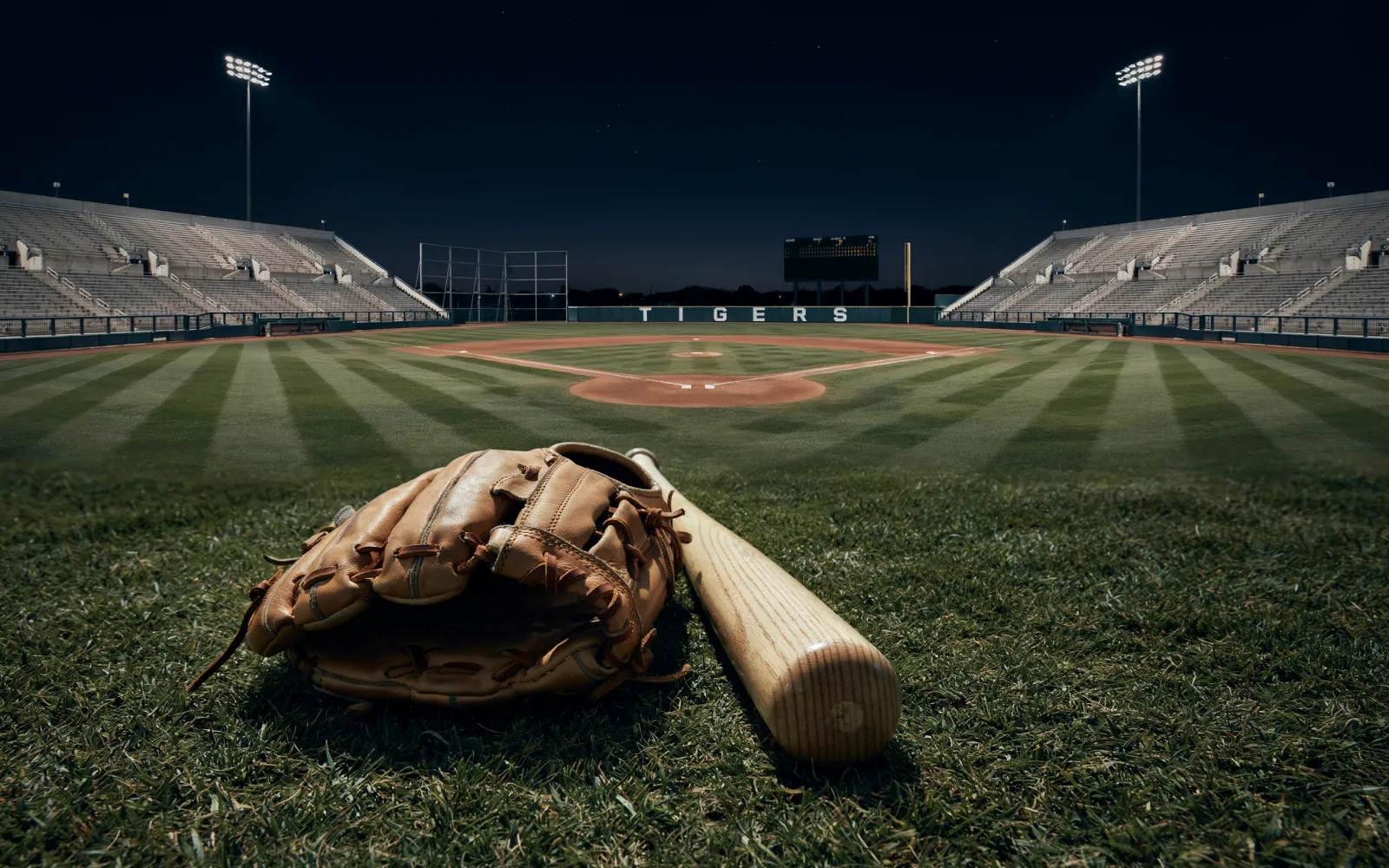
The 2026 tournament is notable for the absence of the 2025 champion LSU Tigers. LSU, which captured its eighth national title in 2025 by defeating Coastal Carolina, finished the 2025 season with a 30‑28 overall record and a 9‑21 mark in the SEC, placing 14th out of 16 conference teams. For the first time since 2011, the reigning champion was not selected for the next tournament. The other three teams that appeared in the 2025 MCWS—Arizona, Louisville, and Murray State—also failed to qualify in 2026.
In addition, the top two national seeds, UCLA and Georgia Tech, were eliminated in their home regionals, a rare occurrence that has happened only twice in the 64‑team era (2014 and 2025). The 2026 tournament marks the second consecutive year in which no teams from the previous year returned to the College World Series, breaking a streak of at least one returning team that had lasted from 1957 through 2024.
Charles Schwab Field, the venue for the MCWS, opened in 2011 and replaced the historic Johnny Rosenblatt Stadium. The ballpark has a seating capacity of 24,000, expandable to 35,000, and is located near the CHI Health Center Omaha. It has hosted the MCWS every year since 1950 and is scheduled to do so through at least 2035.
The MCWS schedule for 2026 is as follows:
Friday, June 12 – Game 1 (2 p.m.) and Game 2 (7 p.m.) Saturday, June 13 – Game 3 (2 p.m.) and Game 4 (7 p.m.) Sunday, June 14 – Game 5 (2 p.m.) and Game 6 (7 p.m.) Monday, June 15 – Game 7 (2 p.m.) and Game 8 (7 p.m.) Tuesday, June 16 – Game 9 (2 p.m.) and Game 10 (8 p.m.) Wednesday, June 17 – Game 11 (2 p.m.) and Game 12 (7 p.m.) Thursday, June 18 – Bracket‑1 and Bracket‑2 games on ESPN, if necessary Saturday, June 20 – Championship Game 1 (8 p.m.) on ESPN Sunday, June 21 – Championship Game 2 (2:30 p.m.) on ABC Monday, June 22 – Championship Game 3 (7 p.m.) on ESPN, if necessary
All games are broadcast on ESPN, with the second championship game on ABC. The schedule is designed to accommodate potential extra‑time games and weather delays.
The tournament’s format and schedule mirror those used in previous years, but the 2026 field has produced several upsets. The elimination of the top seeds and the absence of 2025 champions underscore the unpredictable nature of college baseball’s postseason. Analysts note that the SEC’s dominance continues, with the conference’s teams frequently advancing to the super‑regionals, though the 2026 results have shown a more diverse set of programs reaching Omaha.
As the tournament progresses, the eight teams that qualify for the MCWS will compete for the national title, the most prestigious award in NCAA Division I baseball. The 2026 championship will be the first time since 2011 that the defending champion was not in the field, and the first time in the super‑regional era that none of the previous year’s participants advanced to the super‑regionals. The outcome of the 2026 MCWS will add another chapter to the long history of Omaha’s baseball tradition.
The 2026 NCAA baseball tournament will conclude with the championship series in Omaha, where the final two teams will vie for the national title. The event continues to draw national attention, with fans and analysts following the tournament’s developments closely.
The tournament’s 64‑team field is selected from roughly 300 eligible programs. Teams are divided into 16 regionals of four teams each, each played as a double‑elimination bracket. Regional champions advance to eight super‑regionals, which are best‑of‑three series that determine the final eight teams that travel to Omaha. The selection show that announced the 64 teams aired on ESPN at noon on Monday, May 25.
The 2026 tournament is notable for the absence of the 2025 champion LSU Tigers. LSU, which captured its eighth national title in 2025 by defeating Coastal Carolina, finished the 2025 season with a 30‑28 overall record and a 9‑21 mark in the SEC, placing 14th out of 16 conference teams. For the first time since 2011, the reigning champion was not selected for the next tournament. The other three teams that appeared in the 2025 MCWS—Arizona, Louisville, and Murray State—also failed to qualify in 2026.
In addition, the top two national seeds, UCLA and Georgia Tech, were eliminated in their home regionals, a rare occurrence that has happened only twice in the 64‑team era (2014 and 2025). The 2026 tournament marks the second consecutive year in which no teams from the previous year returned to the College World Series, breaking a streak of at least one returning team that had lasted from 1957 through 2024.
Charles Schwab Field, the venue for the MCWS, opened in 2011 and replaced the historic Johnny Rosenblatt Stadium. The ballpark has a seating capacity of 24,000, expandable to 35,000, and is located near the CHI Health Center Omaha. It has hosted the MCWS every year since 1950 and is scheduled to do so through at least 2035.
The MCWS schedule for 2026 is as follows:
Friday, June 12 – Game 1 (2 p.m.) and Game 2 (7 p.m.) Saturday, June 13 – Game 3 (2 p.m.) and Game 4 (7 p.m.) Sunday, June 14 – Game 5 (2 p.m.) and Game 6 (7 p.m.) Monday, June 15 – Game 7 (2 p.m.) and Game 8 (7 p.m.) Tuesday, June 16 – Game 9 (2 p.m.) and Game 10 (8 p.m.) Wednesday, June 17 – Game 11 (2 p.m.) and Game 12 (7 p.m.) Thursday, June 18 – Bracket‑1 and Bracket‑2 games on ESPN, if necessary Saturday, June 20 – Championship Game 1 (8 p.m.) on ESPN Sunday, June 21 – Championship Game 2 (2:30 p.m.) on ABC Monday, June 22 – Championship Game 3 (7 p.m.) on ESPN, if necessary
All games are broadcast on ESPN, with the second championship game on ABC. The schedule is designed to accommodate potential extra‑time games and weather delays.
The tournament’s format and schedule mirror those used in previous years, but the 2026 field has produced several upsets. The elimination of the top seeds and the absence of 2025 champions underscore the unpredictable nature of college baseball’s postseason. Analysts note that the SEC’s dominance continues, with the conference’s teams frequently advancing to the super‑regionals, though the 2026 results have shown a more diverse set of programs reaching Omaha.
As the tournament progresses, the eight teams that qualify for the MCWS will compete for the national title, the most prestigious award in NCAA Division I baseball. The 2026 championship will be the first time since 2011 that the defending champion was not in the field, and the first time in the super‑regional era that none of the previous year’s participants advanced to the super‑regionals. The outcome of the 2026 MCWS will add another chapter to the long history of Omaha’s baseball tradition.
The 2026 NCAA baseball tournament will conclude with the championship series in Omaha, where the final two teams will vie for the national title. The event continues to draw national attention, with fans and analysts following the tournament’s developments closely.