Blab News
American Red Cross Dental Assistant Program Returns to Fort Polk, Four Graduates Earn Certificates
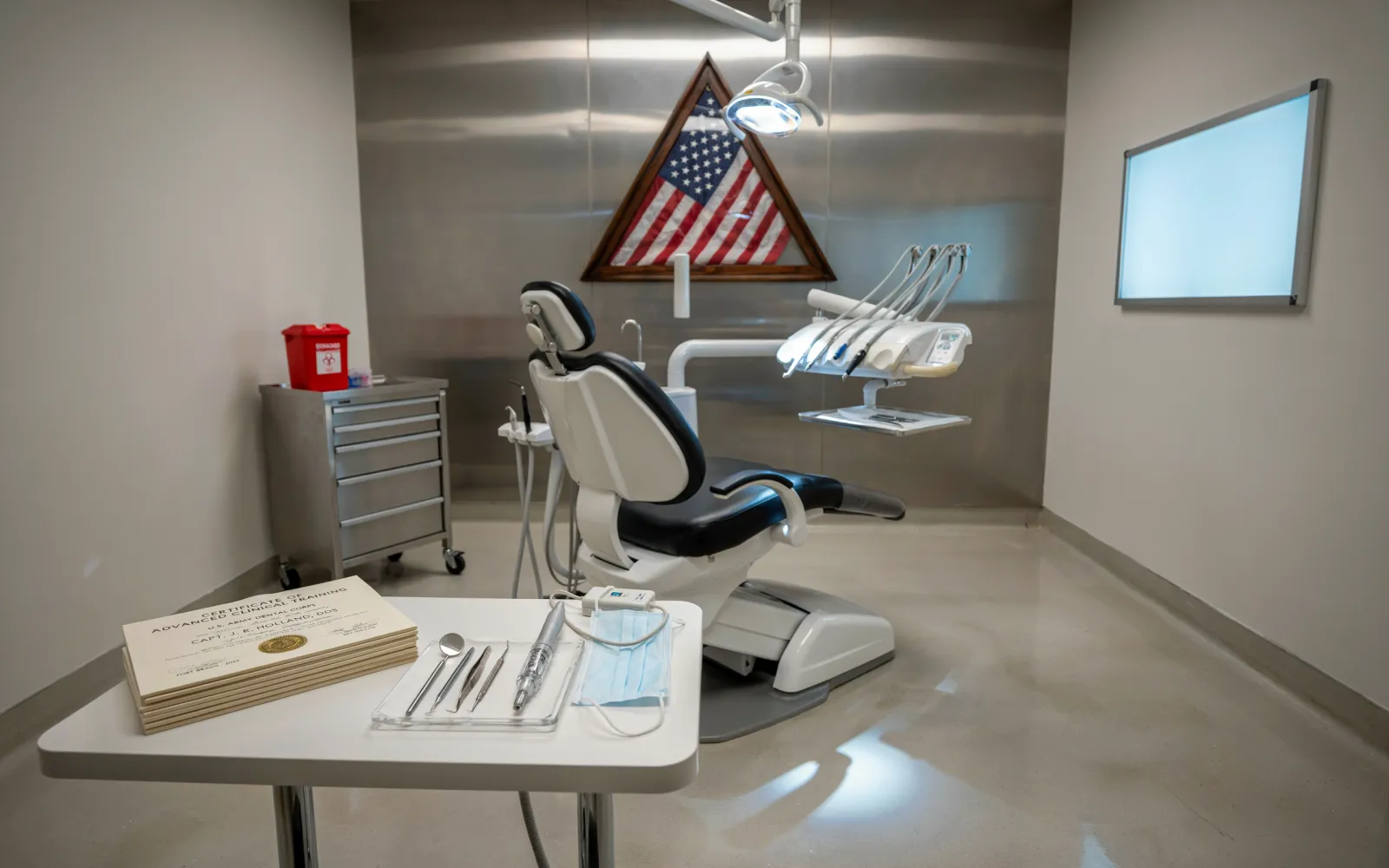
On June 5, a ceremony at Fort Polk, Louisiana, marked the American Red Cross Dental Assistant Program’s return after a six‑year hiatus. The event celebrated four military spouses and community members—Misty Fumi, Anna Gulley, Jill Jaragoske, and Kayla Sharp—who received certificates recognizing the completion of a seven‑month training course that covered general dentistry, endodontics, periodontics, prosthodontics, oral surgery, radiology, and dental laboratory procedures.
The program is a partnership between the American Red Cross and Bayne‑Jones Army Community Hospital’s Shira Dental Clinic. It offers military spouses, dependents, and other eligible members of the military community a pathway to professional health‑care training while supporting patient care and military readiness. Lina Arenas, regional program manager for Service to the Armed Forces at the American Red Cross, highlighted the significance of the graduation, noting that it marked the program’s return to Fort Polk after more than six years.
The seven‑month curriculum begins with a month of classroom instruction followed by six months of chairside clinical training. Students learn to assist providers and care for patients in real‑world settings. Capt. Adam Fraeyman, program director, restorative competency evaluator, and instructor, observed that most participants entered the program without any medical or dental background. By graduation, they had acquired the skills necessary to assist with a broad range of dental procedures and support patient‑care teams.
For the graduates, the program represented an opportunity to develop new skills, pursue professional goals, and build careers in health‑care. Anna Gulley, a military spouse, explained that she enrolled after spending several years as a stay‑at‑home mother and wanted to demonstrate to her children the importance of lifelong learning. She added that helping patients improve both their oral health and confidence was rewarding.
Jill Jaragoske, who had previously worked as a dental assistant before stepping away from the profession to raise her family, said the program allowed her to return to a career she loved. She described balancing the program while raising three children and managing family responsibilities as challenging but worthwhile.
Col. Patrick Miller, commander of Bayne‑Jones Army Community Hospital, praised the graduates for their commitment and perseverance. He said the ceremony celebrated the character the students demonstrated, noting that they balanced family responsibilities, personal obligations, and the unique demands of military life while pursuing their goals.
The program’s return to Fort Polk aligns with the base’s broader mission to support the health and readiness of its personnel. Bayne‑Jones Army Community Hospital, located on the Fort Polk installation, provides medical services to active‑duty soldiers, their families, and retirees. The Shira Dental Clinic, part of the hospital’s dental health activity, has long served the Fort Polk community.
The American Red Cross has offered dental assistant training at several military bases worldwide. The program’s focus on military spouses and dependents addresses a recognized need for portable, in‑demand health‑care careers that can adapt to the frequent relocations inherent in military life.
During the ceremony, the graduates received certificates that formally recognize their completion of the training. The program’s success at Fort Polk may encourage similar initiatives at other installations, providing additional opportunities for military families to gain professional credentials.
The next steps for the graduates are not detailed in the report, but the certificates qualify them for employment as dental assistants in a variety of settings. The partnership with the American Red Cross and Bayne‑Jones Army Community Hospital ensures that the training meets the standards required for clinical practice.
The program’s return to Fort Polk after a six‑year hiatus demonstrates the American Red Cross’s ongoing commitment to supporting military families through education and training. The four graduates’ achievements highlight the program’s impact on individual career development and on the broader mission of maintaining dental readiness for the Army community.
The program is a partnership between the American Red Cross and Bayne‑Jones Army Community Hospital’s Shira Dental Clinic. It offers military spouses, dependents, and other eligible members of the military community a pathway to professional health‑care training while supporting patient care and military readiness. Lina Arenas, regional program manager for Service to the Armed Forces at the American Red Cross, highlighted the significance of the graduation, noting that it marked the program’s return to Fort Polk after more than six years.
The seven‑month curriculum begins with a month of classroom instruction followed by six months of chairside clinical training. Students learn to assist providers and care for patients in real‑world settings. Capt. Adam Fraeyman, program director, restorative competency evaluator, and instructor, observed that most participants entered the program without any medical or dental background. By graduation, they had acquired the skills necessary to assist with a broad range of dental procedures and support patient‑care teams.
For the graduates, the program represented an opportunity to develop new skills, pursue professional goals, and build careers in health‑care. Anna Gulley, a military spouse, explained that she enrolled after spending several years as a stay‑at‑home mother and wanted to demonstrate to her children the importance of lifelong learning. She added that helping patients improve both their oral health and confidence was rewarding.
Jill Jaragoske, who had previously worked as a dental assistant before stepping away from the profession to raise her family, said the program allowed her to return to a career she loved. She described balancing the program while raising three children and managing family responsibilities as challenging but worthwhile.
Col. Patrick Miller, commander of Bayne‑Jones Army Community Hospital, praised the graduates for their commitment and perseverance. He said the ceremony celebrated the character the students demonstrated, noting that they balanced family responsibilities, personal obligations, and the unique demands of military life while pursuing their goals.
The program’s return to Fort Polk aligns with the base’s broader mission to support the health and readiness of its personnel. Bayne‑Jones Army Community Hospital, located on the Fort Polk installation, provides medical services to active‑duty soldiers, their families, and retirees. The Shira Dental Clinic, part of the hospital’s dental health activity, has long served the Fort Polk community.
The American Red Cross has offered dental assistant training at several military bases worldwide. The program’s focus on military spouses and dependents addresses a recognized need for portable, in‑demand health‑care careers that can adapt to the frequent relocations inherent in military life.
During the ceremony, the graduates received certificates that formally recognize their completion of the training. The program’s success at Fort Polk may encourage similar initiatives at other installations, providing additional opportunities for military families to gain professional credentials.
The next steps for the graduates are not detailed in the report, but the certificates qualify them for employment as dental assistants in a variety of settings. The partnership with the American Red Cross and Bayne‑Jones Army Community Hospital ensures that the training meets the standards required for clinical practice.
The program’s return to Fort Polk after a six‑year hiatus demonstrates the American Red Cross’s ongoing commitment to supporting military families through education and training. The four graduates’ achievements highlight the program’s impact on individual career development and on the broader mission of maintaining dental readiness for the Army community.