Blab News
JD Sports to Close 175 Hibbett Sports Stores Over Three Years Amid Retail Restructuring
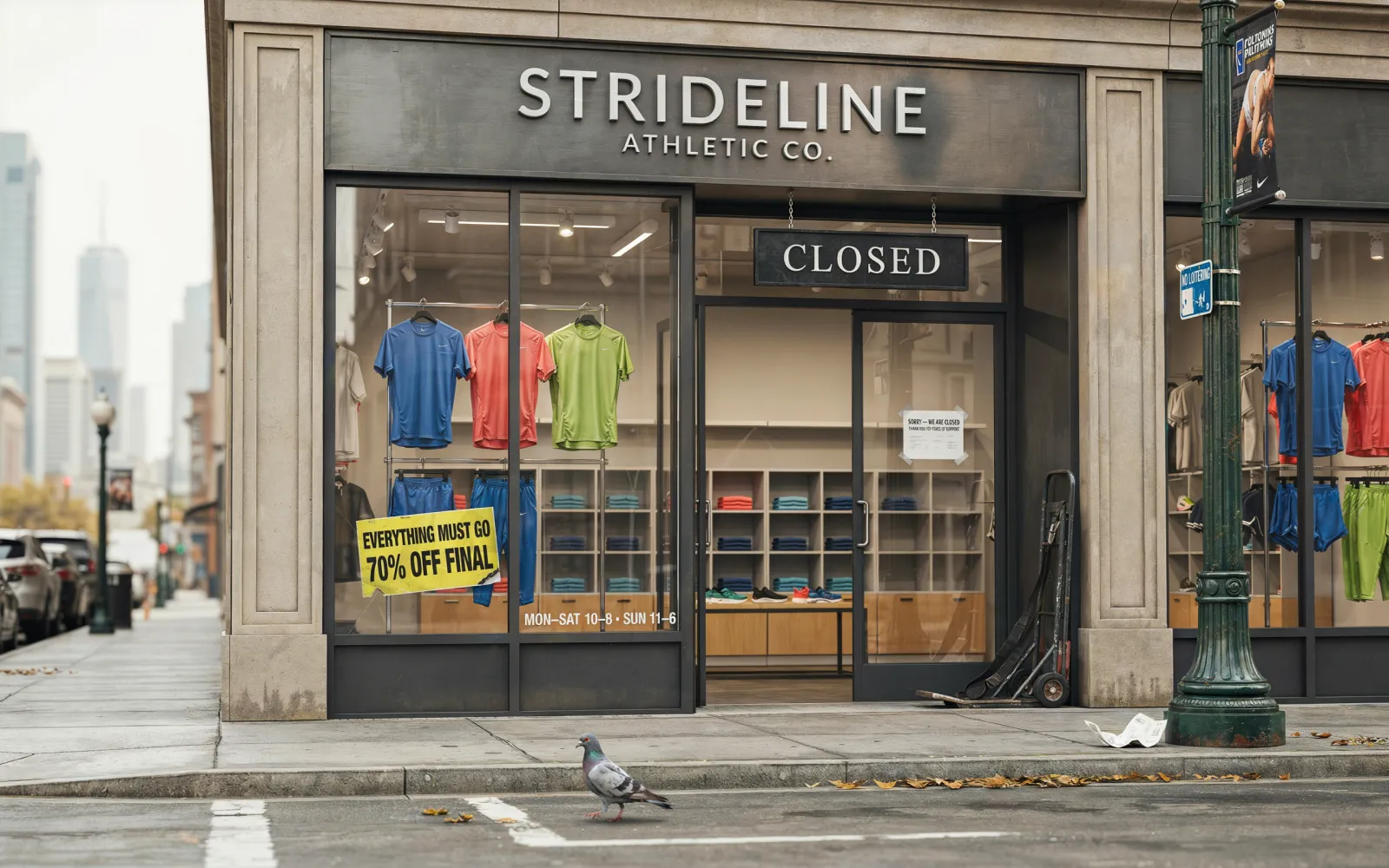
JD Sports Fashion plc announced plans to close 175 Hibbett Sports locations in the United States over the next three years as part of a cost‑cutting strategy that follows the company’s 2024 acquisition of the retailer. The move comes after JD Sports reduced its North American store count from 999 at the start of fiscal 2025 to 982 by the end of January 2026.
Hibbett Sports, which operated 1,169 stores across 36 states as of May 2024, was acquired by JD Sports for roughly $1.1 billion. The acquisition was intended to strengthen JD Sports’ presence in the North American footwear market. In a fourth‑quarter earnings call, CEO Regis Schultz said the company’s “second key strategic initiative is driving store productivity and optimization of our store estate.” Schultz noted that the group had already closed 39 stores in the previous year, citing a strategy of fewer, larger, and more profitable locations.
According to JD Sports, the planned closures will target under‑performing EBIT stores. The company said it would also open about 20 new JD stores and convert 70 to 80 Finish Line stores into JD locations in North America. CFO Dominic Platt added that, after accounting for JD Sports’ European plans, the overall store count would remain broadly flat for the year.
The announcement follows a broader trend of store consolidation in the sporting‑goods sector. Foot Locker, a major competitor, announced store‑closure plans in November 2024 after its $2.4 billion acquisition by Dick’s Sporting Goods in September 2025. While Dick’s has not disclosed the exact number of Foot Locker stores to close, it reported that nine Dick’s locations and about 11 Foot Locker‑owned stores closed in 2025, along with four licensed stores.
The Hibbett store closures are expected to affect communities across the Southeast, Southwest, and lower Midwest, where the retailer’s stores are concentrated. Hibbett’s headquarters in Birmingham, Alabama, reported that its stores are typically located in strip centers near major retailers such as Walmart.
JD Sports’ stock has experienced modest volatility since the acquisition. The share price is down about 1.7% year‑to‑date but has risen roughly 1.8% over the past year.
The company’s restructuring plan is part of a broader effort to streamline operations and improve profitability after the acquisition. By consolidating its footprint, JD Sports aims to reduce overhead and focus on high‑performing locations.
The impact on employees and customers remains to be seen. The company has not yet released a detailed timeline for the closures, but it has indicated that the process will begin in the coming months.
Retail analysts note that the consolidation reflects a shift in consumer behavior, with many shoppers turning to online channels. JD Sports has emphasized the importance of optimizing its physical presence to complement its e‑commerce platform.
As the retail landscape continues to evolve, JD Sports’ decision to close 175 Hibbett locations underscores the challenges faced by brick‑and‑mortar retailers in a competitive market. The company’s next steps will likely include monitoring the performance of remaining stores and adjusting its strategy as needed.
The full list of stores slated for closure has not been disclosed, and JD Sports has not confirmed whether any of the affected locations will be repurposed or sold to other retailers.
The company’s announcement comes at a time when other sporting‑goods chains are also reassessing their store footprints. Foot Locker’s recent acquisition by Dick’s Sporting Goods and the subsequent store‑closure announcements illustrate a broader industry trend toward consolidation and operational efficiency.
The outcome of JD Sports’ restructuring will be closely watched by investors, employees, and consumers alike, as the company seeks to balance cost reductions with the need to maintain a strong retail presence in key markets.
The next few months will likely bring further details on which specific Hibbett stores will close and how the company will support affected employees. JD Sports has indicated that it will continue to evaluate its store portfolio to ensure alignment with its long‑term strategic goals.
In summary, JD Sports’ decision to close 175 Hibbett Sports stores over three years reflects a strategic shift toward a leaner, more profitable retail model. The company’s ongoing efforts to optimize its store estate, coupled with broader industry consolidation, signal a significant change in the sporting‑goods retail landscape.
Hibbett Sports, which operated 1,169 stores across 36 states as of May 2024, was acquired by JD Sports for roughly $1.1 billion. The acquisition was intended to strengthen JD Sports’ presence in the North American footwear market. In a fourth‑quarter earnings call, CEO Regis Schultz said the company’s “second key strategic initiative is driving store productivity and optimization of our store estate.” Schultz noted that the group had already closed 39 stores in the previous year, citing a strategy of fewer, larger, and more profitable locations.
According to JD Sports, the planned closures will target under‑performing EBIT stores. The company said it would also open about 20 new JD stores and convert 70 to 80 Finish Line stores into JD locations in North America. CFO Dominic Platt added that, after accounting for JD Sports’ European plans, the overall store count would remain broadly flat for the year.
The announcement follows a broader trend of store consolidation in the sporting‑goods sector. Foot Locker, a major competitor, announced store‑closure plans in November 2024 after its $2.4 billion acquisition by Dick’s Sporting Goods in September 2025. While Dick’s has not disclosed the exact number of Foot Locker stores to close, it reported that nine Dick’s locations and about 11 Foot Locker‑owned stores closed in 2025, along with four licensed stores.
The Hibbett store closures are expected to affect communities across the Southeast, Southwest, and lower Midwest, where the retailer’s stores are concentrated. Hibbett’s headquarters in Birmingham, Alabama, reported that its stores are typically located in strip centers near major retailers such as Walmart.
JD Sports’ stock has experienced modest volatility since the acquisition. The share price is down about 1.7% year‑to‑date but has risen roughly 1.8% over the past year.
The company’s restructuring plan is part of a broader effort to streamline operations and improve profitability after the acquisition. By consolidating its footprint, JD Sports aims to reduce overhead and focus on high‑performing locations.
The impact on employees and customers remains to be seen. The company has not yet released a detailed timeline for the closures, but it has indicated that the process will begin in the coming months.
Retail analysts note that the consolidation reflects a shift in consumer behavior, with many shoppers turning to online channels. JD Sports has emphasized the importance of optimizing its physical presence to complement its e‑commerce platform.
As the retail landscape continues to evolve, JD Sports’ decision to close 175 Hibbett locations underscores the challenges faced by brick‑and‑mortar retailers in a competitive market. The company’s next steps will likely include monitoring the performance of remaining stores and adjusting its strategy as needed.
The full list of stores slated for closure has not been disclosed, and JD Sports has not confirmed whether any of the affected locations will be repurposed or sold to other retailers.
The company’s announcement comes at a time when other sporting‑goods chains are also reassessing their store footprints. Foot Locker’s recent acquisition by Dick’s Sporting Goods and the subsequent store‑closure announcements illustrate a broader industry trend toward consolidation and operational efficiency.
The outcome of JD Sports’ restructuring will be closely watched by investors, employees, and consumers alike, as the company seeks to balance cost reductions with the need to maintain a strong retail presence in key markets.
The next few months will likely bring further details on which specific Hibbett stores will close and how the company will support affected employees. JD Sports has indicated that it will continue to evaluate its store portfolio to ensure alignment with its long‑term strategic goals.
In summary, JD Sports’ decision to close 175 Hibbett Sports stores over three years reflects a strategic shift toward a leaner, more profitable retail model. The company’s ongoing efforts to optimize its store estate, coupled with broader industry consolidation, signal a significant change in the sporting‑goods retail landscape.