Blab News
Scotch Bonnet Pepper Shortage Threatens Caribbean Hot Sauce Industry and Global Supply Chains
When the island that produces the world’s most beloved Caribbean heat runs dry, the ripple reaches kitchens across the globe. The Scotch bonnet pepper, the cornerstone of Caribbean hot sauces, is facing a severe shortage that is disrupting production, exports, and consumer prices in the United States, United Kingdom, and Australia.
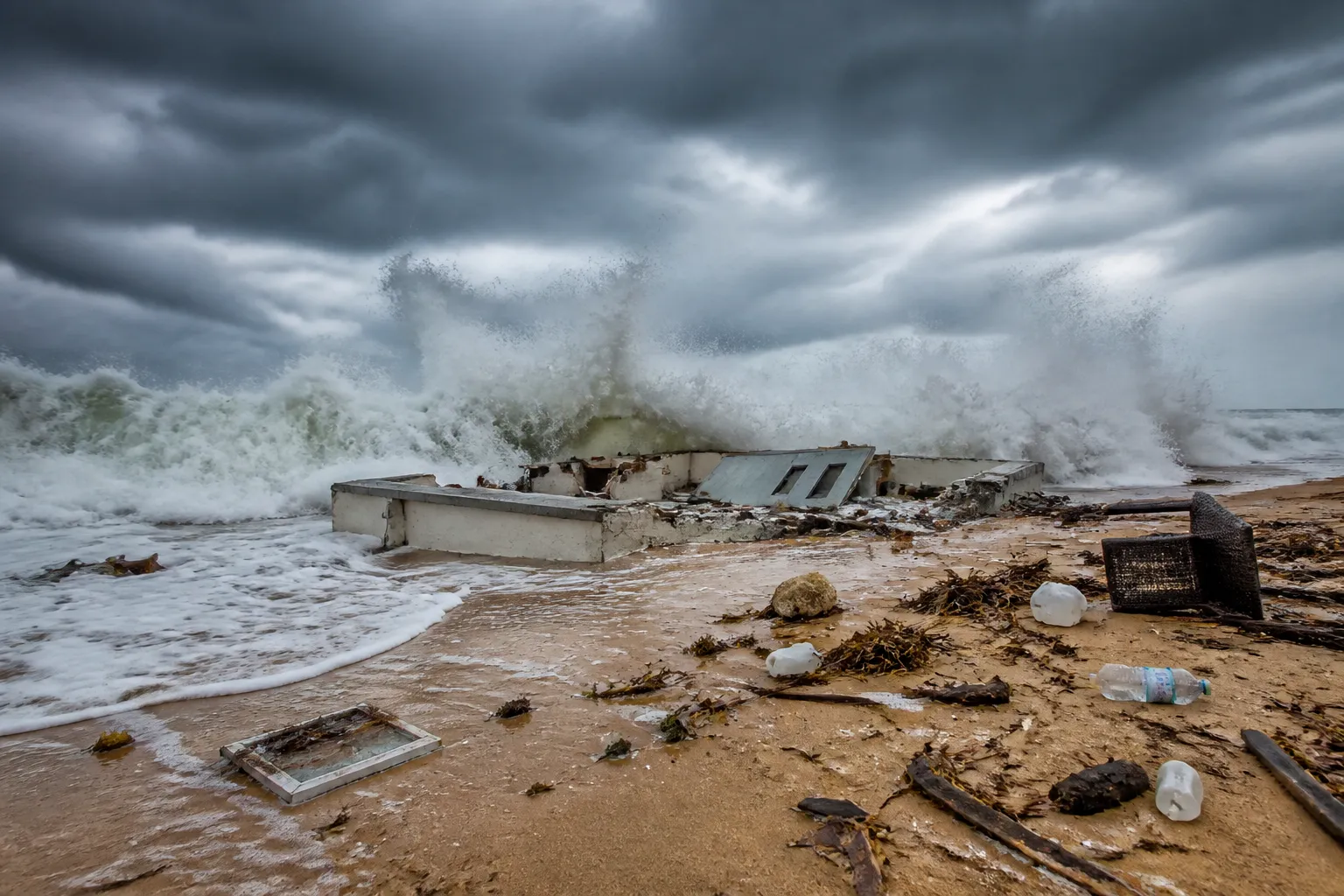
The crisis is a cocktail of extreme weather, disease, and pests. Back‑to‑back hurricanes in 2025 and 2026, heavy rainfall, and outbreaks of viral infections have battered crops in Jamaica, Haiti, and other islands. The peppers, already fragile, are also highly vulnerable to insect pests that have become more frequent as temperatures climb.
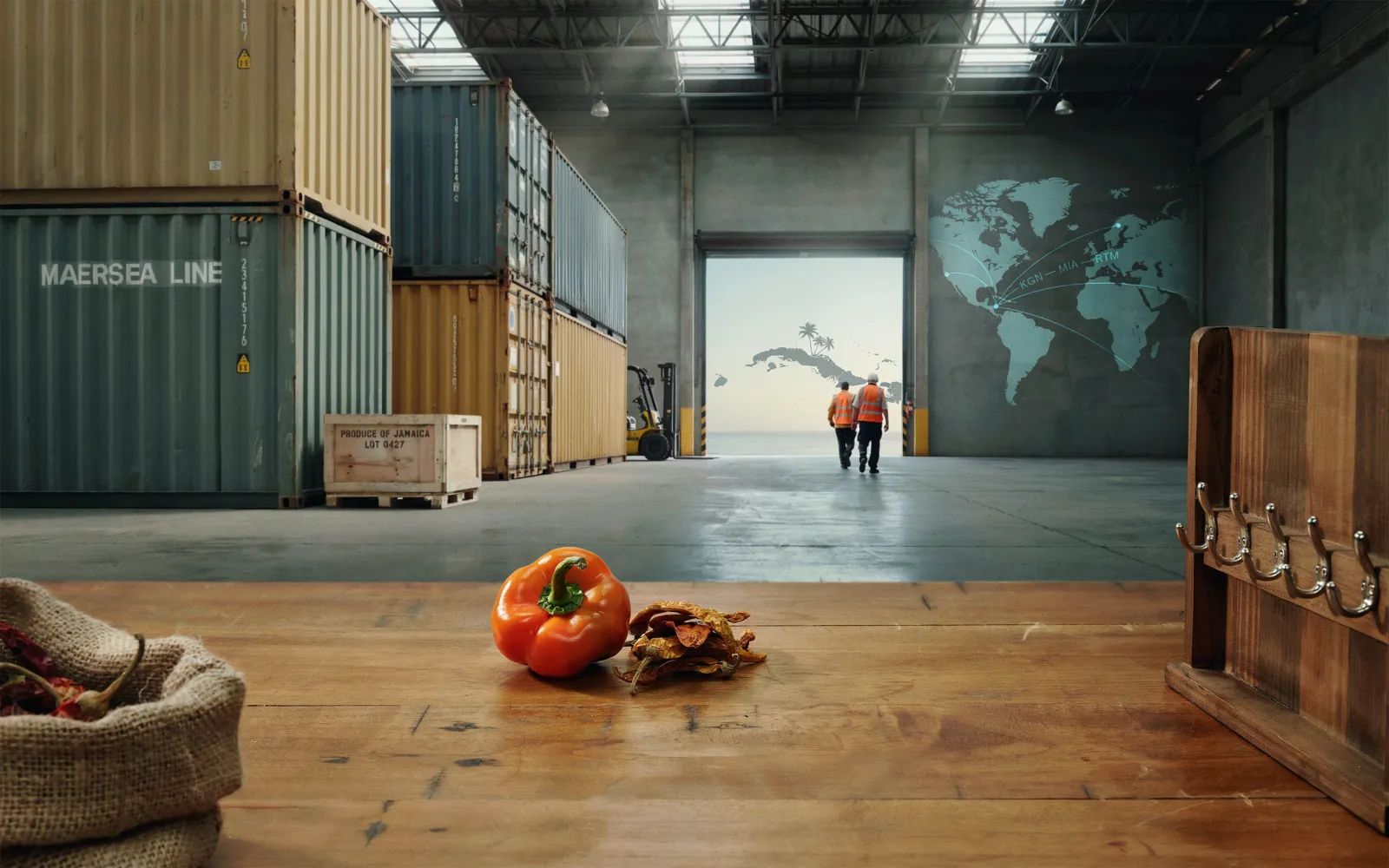
Walkerswood, a Jamaican manufacturer that ships more than 95 % of its products abroad, has warned that the lack of fresh Scotch bonnets will curtail its ability to meet global demand. The company exported the equivalent of 500 twenty‑foot cargo containers to the United States last year, according to a BBC report. Chief Garbutt said the primary obstacle to expansion is simply the availability of the pepper.
The impact is not confined to the Caribbean. In the United Kingdom, the United States, and Australia, hot sauce brands that rely on Scotch bonnets have reported shortages and higher prices. The BBC described the condiment as “as pervasive as ketchup” on chips, noting that it is an “obligatory accompaniment” for Caribbean cuisine.
The shortage echoes a 2022 crisis when drought in Mexico caused a scarcity of red jalapeños, the key ingredient in Sriracha sauce. The Guardian reported that the shortage “felt a not‑so‑pleasant sting” for fans of the popular sauce.
Some islands have fared better. Barbados has been described as “marked safe” by local media, with farmers reporting that their crops remain resilient, pest‑free, and available for production. A Barbados Today article quoted a top farming official who said the island’s pepper supply has not been affected by the recent hurricanes.
The long‑term outlook for the Scotch bonnet pepper is uncertain. Climate‑change experts say the crop’s temperamental nature may become more pronounced as weather patterns shift. Some producers are already diversifying, turning to hardier crops such as sweet potatoes to sustain their livelihoods.
The shortage also threatens the broader Caribbean food system. Scotch bonnet peppers are a foundational element of dishes such as Jamaican jerk chicken, Haitian beef stew, and pickapeppa sauce, a Jamaican ketchup‑style condiment that incorporates the pepper in its “extra‑hot” variant.
The Caribbean Agricultural Research and Development Institute (CARDI) has begun studies to develop more resilient pepper varieties. Meanwhile, the Caribbean Community (CARICOM) has called for coordinated regional support to mitigate the economic impact on small‑scale farmers.
Consumers in the United States and the United Kingdom have already noticed higher prices for hot sauces that contain Scotch bonnets. Retailers report that some products are now priced 10–20 % above pre‑shortage levels.
The situation remains fluid. Producers are monitoring weather forecasts and pest reports closely. Caribbean government agencies are coordinating with international partners to secure alternative supply chains and to support farmers with crop insurance and technical assistance.
In the meantime, the hot sauce industry is adapting by exploring alternative pepper varieties and by adjusting recipes to use smaller amounts of Scotch bonnets. Some brands have announced plans to blend the pepper with other chilies to maintain flavor while reducing reliance on a single crop.
The shortage underscores the vulnerability of global food supply chains to climate‑related disruptions. It also highlights the cultural significance of the Scotch bonnet pepper, whose unique sweet, smoky flavor defines Caribbean cuisine worldwide.
As the Caribbean continues to face extreme weather events, the industry’s resilience will depend on both agricultural innovation and coordinated policy responses. The next few months will be critical in determining whether the pepper shortage will be a temporary blip or a lasting shift in the region’s food production landscape.
The crisis is a cocktail of extreme weather, disease, and pests. Back‑to‑back hurricanes in 2025 and 2026, heavy rainfall, and outbreaks of viral infections have battered crops in Jamaica, Haiti, and other islands. The peppers, already fragile, are also highly vulnerable to insect pests that have become more frequent as temperatures climb.
Walkerswood, a Jamaican manufacturer that ships more than 95 % of its products abroad, has warned that the lack of fresh Scotch bonnets will curtail its ability to meet global demand. The company exported the equivalent of 500 twenty‑foot cargo containers to the United States last year, according to a BBC report. Chief Garbutt said the primary obstacle to expansion is simply the availability of the pepper.
The impact is not confined to the Caribbean. In the United Kingdom, the United States, and Australia, hot sauce brands that rely on Scotch bonnets have reported shortages and higher prices. The BBC described the condiment as “as pervasive as ketchup” on chips, noting that it is an “obligatory accompaniment” for Caribbean cuisine.
The shortage echoes a 2022 crisis when drought in Mexico caused a scarcity of red jalapeños, the key ingredient in Sriracha sauce. The Guardian reported that the shortage “felt a not‑so‑pleasant sting” for fans of the popular sauce.
Some islands have fared better. Barbados has been described as “marked safe” by local media, with farmers reporting that their crops remain resilient, pest‑free, and available for production. A Barbados Today article quoted a top farming official who said the island’s pepper supply has not been affected by the recent hurricanes.
The long‑term outlook for the Scotch bonnet pepper is uncertain. Climate‑change experts say the crop’s temperamental nature may become more pronounced as weather patterns shift. Some producers are already diversifying, turning to hardier crops such as sweet potatoes to sustain their livelihoods.
The shortage also threatens the broader Caribbean food system. Scotch bonnet peppers are a foundational element of dishes such as Jamaican jerk chicken, Haitian beef stew, and pickapeppa sauce, a Jamaican ketchup‑style condiment that incorporates the pepper in its “extra‑hot” variant.
The Caribbean Agricultural Research and Development Institute (CARDI) has begun studies to develop more resilient pepper varieties. Meanwhile, the Caribbean Community (CARICOM) has called for coordinated regional support to mitigate the economic impact on small‑scale farmers.
Consumers in the United States and the United Kingdom have already noticed higher prices for hot sauces that contain Scotch bonnets. Retailers report that some products are now priced 10–20 % above pre‑shortage levels.
The situation remains fluid. Producers are monitoring weather forecasts and pest reports closely. Caribbean government agencies are coordinating with international partners to secure alternative supply chains and to support farmers with crop insurance and technical assistance.
In the meantime, the hot sauce industry is adapting by exploring alternative pepper varieties and by adjusting recipes to use smaller amounts of Scotch bonnets. Some brands have announced plans to blend the pepper with other chilies to maintain flavor while reducing reliance on a single crop.
The shortage underscores the vulnerability of global food supply chains to climate‑related disruptions. It also highlights the cultural significance of the Scotch bonnet pepper, whose unique sweet, smoky flavor defines Caribbean cuisine worldwide.
As the Caribbean continues to face extreme weather events, the industry’s resilience will depend on both agricultural innovation and coordinated policy responses. The next few months will be critical in determining whether the pepper shortage will be a temporary blip or a lasting shift in the region’s food production landscape.