Blab News
House Appropriations Committee Endorses Secure America Act to Fund ICE and Border Patrol Through 2029
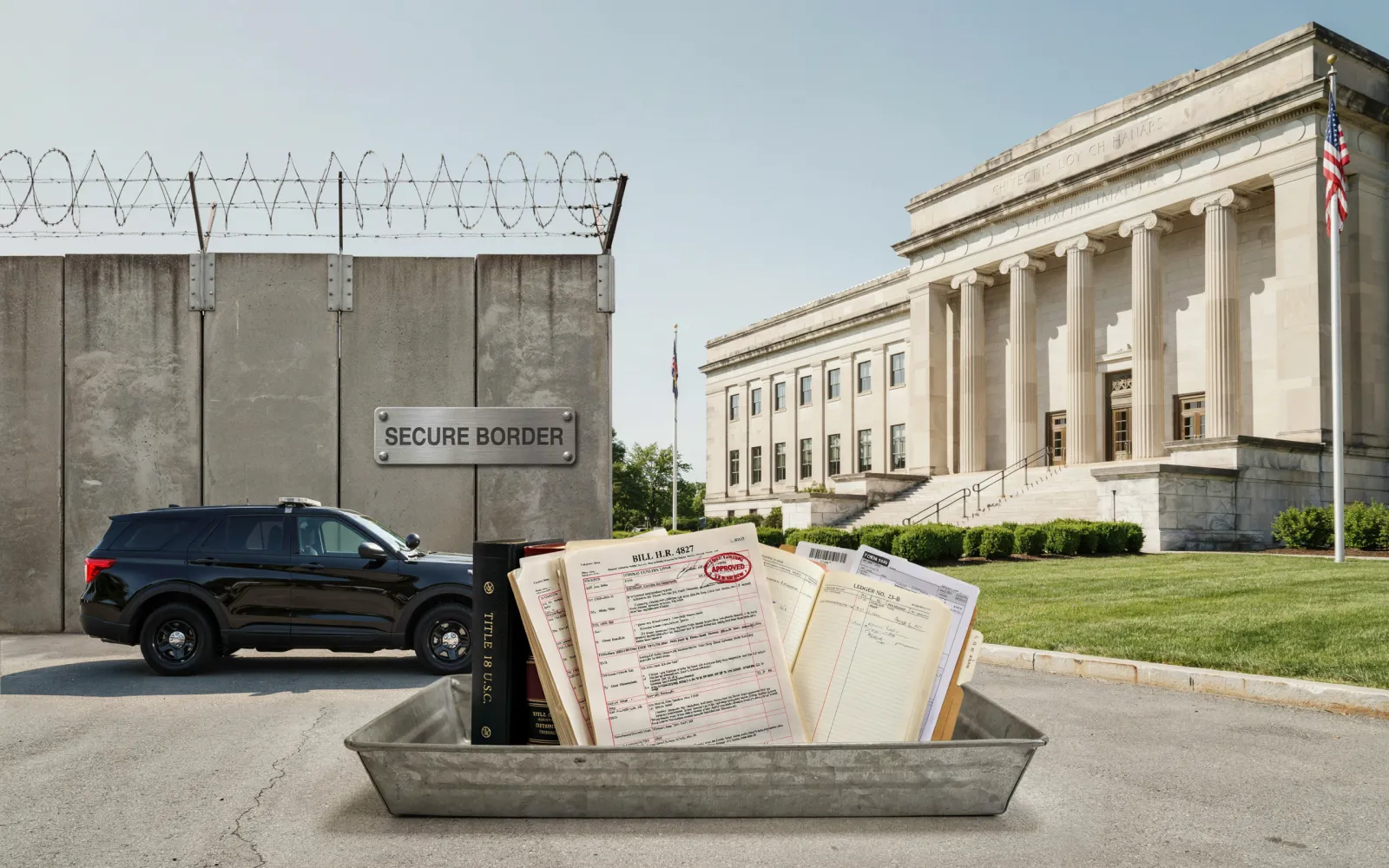
On June 9, 2026, the U.S. House of Representatives passed the Secure America Act, a $70 billion reconciliation bill that guarantees federal funding for Immigration and Customs Enforcement (ICE) and U.S. Customs and Border Protection (CBP) personnel and operations through fiscal year 2029. The legislation was approved by a 52‑47 vote in the Senate and a 219‑210 vote in the House, and was signed into law by President Donald J. Trump.
House Appropriations Committee Chairman Tom Cole released a statement praising the passage of the bill and criticizing Senate Democrats for repeated obstruction of the appropriations process. Cole said that ICE and Border Patrol agents confront “terrorists, cartels, human traffickers, drug smugglers” daily, and that the House has consistently voted to fully fund these agencies. He accused Democrats of “erasing funding for critical operations” and of using the filibuster to derail the regular appropriations cycle.
Cole’s remarks highlighted that Senate Democrats had twice shut down the federal government, causing nationwide disruption, and had subsequently altered a bipartisan appropriations deal that the House had agreed to. The altered deal, according to Cole, undermined Department of Homeland Security (DHS) funding and removed provisions that had been negotiated, such as body‑worn camera requirements, restrictions on enforcement at sensitive locations, and increased congressional oversight.
The Secure America Act was the result of a reconciliation process that bypassed the filibuster. The bill restores the funding levels that were cut in the last‑minute Senate amendments and extends funding for ICE and CBP for the next three fiscal years. The act also includes provisions that maintain the agency’s operational priorities, such as border security, immigration enforcement, and homeland security missions.
The passage of the Secure America Act follows a period of intense partisan conflict over federal appropriations. In 2025, the longest government shutdown in U.S. history began when Senate Democrats blocked the House’s fiscal year 2026 appropriations package. The shutdown halted many federal agencies, including DHS, and delayed background checks, permits, and other services that affect the public and private sectors.
After the shutdown ended, the House moved quickly to pass the 12 appropriations bills for fiscal year 2026. The House’s actions were described as historic progress toward “regular order.” However, Senate Democrats altered the package at the last minute, removing funding for DHS and other agencies. The House’s inability to secure the negotiated commitments led to the use of reconciliation to pass the Secure America Act.
The Secure America Act is part of a broader effort by House Republicans to secure the U.S. border and support federal law‑enforcement agencies. The bill’s $70 billion allocation covers personnel, equipment, and operational costs for ICE and CBP through 2029. The legislation also preserves the agency’s authority to conduct investigations and enforce immigration laws.
The act’s passage has been welcomed by House Republicans, who argue that it protects the nation’s security and ensures that federal agencies have the resources they need. Senate Democrats have opposed the bill, citing concerns about the size of the appropriation and the lack of oversight. The bill’s supporters argue that the funding is essential for maintaining border security and preventing illegal immigration.
The Secure America Act is now signed into law and will be implemented by the Department of Homeland Security. The act’s provisions will be monitored by congressional oversight committees, and the agencies will report on the use of funds. The legislation marks a significant shift in the federal funding of ICE and CBP, extending their operations through fiscal year 2029.
The current situation reflects a continued partisan divide over federal appropriations and the role of the filibuster. The Secure America Act represents a legislative compromise that prioritizes border security and immigration enforcement funding while navigating the constraints of the U.S. constitutional process.
The next steps will involve the Department of Homeland Security’s implementation of the funding, congressional oversight of the agencies’ use of resources, and potential future appropriations debates as the fiscal year 2029 approaches. The Secure America Act’s passage underscores the ongoing debate over how best to fund and oversee federal law‑enforcement agencies in the United States.
House Appropriations Committee Chairman Tom Cole released a statement praising the passage of the bill and criticizing Senate Democrats for repeated obstruction of the appropriations process. Cole said that ICE and Border Patrol agents confront “terrorists, cartels, human traffickers, drug smugglers” daily, and that the House has consistently voted to fully fund these agencies. He accused Democrats of “erasing funding for critical operations” and of using the filibuster to derail the regular appropriations cycle.
Cole’s remarks highlighted that Senate Democrats had twice shut down the federal government, causing nationwide disruption, and had subsequently altered a bipartisan appropriations deal that the House had agreed to. The altered deal, according to Cole, undermined Department of Homeland Security (DHS) funding and removed provisions that had been negotiated, such as body‑worn camera requirements, restrictions on enforcement at sensitive locations, and increased congressional oversight.
The Secure America Act was the result of a reconciliation process that bypassed the filibuster. The bill restores the funding levels that were cut in the last‑minute Senate amendments and extends funding for ICE and CBP for the next three fiscal years. The act also includes provisions that maintain the agency’s operational priorities, such as border security, immigration enforcement, and homeland security missions.
The passage of the Secure America Act follows a period of intense partisan conflict over federal appropriations. In 2025, the longest government shutdown in U.S. history began when Senate Democrats blocked the House’s fiscal year 2026 appropriations package. The shutdown halted many federal agencies, including DHS, and delayed background checks, permits, and other services that affect the public and private sectors.
After the shutdown ended, the House moved quickly to pass the 12 appropriations bills for fiscal year 2026. The House’s actions were described as historic progress toward “regular order.” However, Senate Democrats altered the package at the last minute, removing funding for DHS and other agencies. The House’s inability to secure the negotiated commitments led to the use of reconciliation to pass the Secure America Act.
The Secure America Act is part of a broader effort by House Republicans to secure the U.S. border and support federal law‑enforcement agencies. The bill’s $70 billion allocation covers personnel, equipment, and operational costs for ICE and CBP through 2029. The legislation also preserves the agency’s authority to conduct investigations and enforce immigration laws.
The act’s passage has been welcomed by House Republicans, who argue that it protects the nation’s security and ensures that federal agencies have the resources they need. Senate Democrats have opposed the bill, citing concerns about the size of the appropriation and the lack of oversight. The bill’s supporters argue that the funding is essential for maintaining border security and preventing illegal immigration.
The Secure America Act is now signed into law and will be implemented by the Department of Homeland Security. The act’s provisions will be monitored by congressional oversight committees, and the agencies will report on the use of funds. The legislation marks a significant shift in the federal funding of ICE and CBP, extending their operations through fiscal year 2029.
The current situation reflects a continued partisan divide over federal appropriations and the role of the filibuster. The Secure America Act represents a legislative compromise that prioritizes border security and immigration enforcement funding while navigating the constraints of the U.S. constitutional process.
The next steps will involve the Department of Homeland Security’s implementation of the funding, congressional oversight of the agencies’ use of resources, and potential future appropriations debates as the fiscal year 2029 approaches. The Secure America Act’s passage underscores the ongoing debate over how best to fund and oversee federal law‑enforcement agencies in the United States.