Blab News
Indias Fuel Consumption Climbs Amid LPG Shortage and Rising Prices
In May 2026, India’s total fuel consumption edged up to 19.93 million metric tons, a modest rise of 0.46 million tons from April, according to data released by the Petroleum Planning and Analysis Cell (PPAC) of the oil ministry. The figure, however, falls 6.5 % below the 20.15 million tons recorded in May 2025.
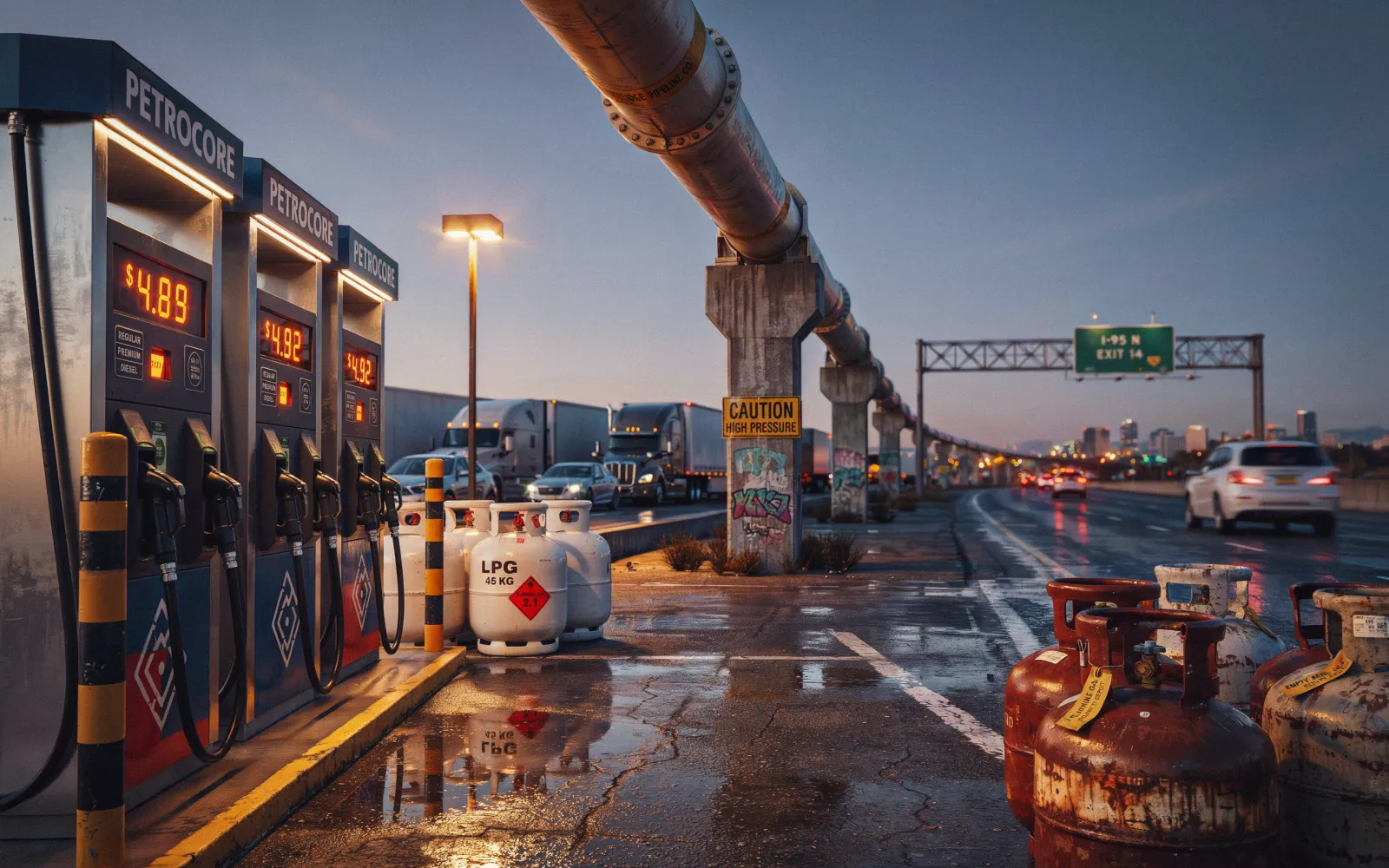
The sharpest change came in LPG use, which slipped roughly 20 % from the previous year to 2.13 million tons. This decline is part of a trend that began in March, when shipments of LPG fell 13 % to 2.38 million tons after shipping disruptions in the Strait of Hormuz. India imports about 90 % of its LPG from the Middle East, and the U.S. Treasury Department has sanctioned a network that smuggles Iranian‑origin LPG disguised as Omani LPG to South and East Asia.
Gasoline sales fell 6.1 % from April and 3.4 % from May 2025, while diesel consumption grew 1.6 % year‑on‑year and 4.8 % month‑on‑month. State‑owned fuel retailers lifted diesel prices by 2.71 rupees per litre and petrol by 2.61 rupees, marking the fourth price increase in May. The hikes aim to offset losses caused by higher crude costs.
Other product categories displayed mixed trends. Naphtha sales dropped 29 % compared with the same period last year. Bitumen consumption, mainly used for road construction, fell 32 % from April and about 39 % from a year earlier. In contrast, fuel oil usage jumped roughly 24 % from the previous year.
Analysts point to the war in Iran, which began on 28 February 2026, as a key driver of higher oil prices and shipping disruptions through the Strait of Hormuz. The resulting supply constraints have sparked the country’s worst LPG crisis in decades, affecting households that rely on cooking gas and businesses that use LPG for production.
The transport sector is already feeling the pressure. Trucking companies, which depend heavily on diesel, report early signs of stress as fuel prices rise and supply becomes less predictable. While the government has not yet announced new policy measures, officials say they are monitoring the situation closely.
The PPAC report also projects that India’s overall fuel consumption growth will slow this year. The combination of higher oil costs, the ongoing war in Iran, and domestic price hikes is expected to dampen demand for gasoline and diesel.
In summary, India’s fuel consumption rose modestly in May 2026, but the country faces significant challenges. LPG use has fallen sharply amid a supply crisis linked to shipping disruptions in the Strait of Hormuz, while gasoline and diesel sales have been affected by price hikes and higher crude costs. The transport sector is experiencing early signs of strain, and the government is monitoring the situation as it seeks to balance domestic demand with international supply constraints.
Policymakers will use the latest data to assess the need for additional fuel imports, potential subsidies, and measures to support the trucking industry and households dependent on LPG. Further updates are expected as the situation in the Middle East evolves and as India’s domestic fuel market responds to the ongoing price pressures.
The sharpest change came in LPG use, which slipped roughly 20 % from the previous year to 2.13 million tons. This decline is part of a trend that began in March, when shipments of LPG fell 13 % to 2.38 million tons after shipping disruptions in the Strait of Hormuz. India imports about 90 % of its LPG from the Middle East, and the U.S. Treasury Department has sanctioned a network that smuggles Iranian‑origin LPG disguised as Omani LPG to South and East Asia.
Gasoline sales fell 6.1 % from April and 3.4 % from May 2025, while diesel consumption grew 1.6 % year‑on‑year and 4.8 % month‑on‑month. State‑owned fuel retailers lifted diesel prices by 2.71 rupees per litre and petrol by 2.61 rupees, marking the fourth price increase in May. The hikes aim to offset losses caused by higher crude costs.
Other product categories displayed mixed trends. Naphtha sales dropped 29 % compared with the same period last year. Bitumen consumption, mainly used for road construction, fell 32 % from April and about 39 % from a year earlier. In contrast, fuel oil usage jumped roughly 24 % from the previous year.
Analysts point to the war in Iran, which began on 28 February 2026, as a key driver of higher oil prices and shipping disruptions through the Strait of Hormuz. The resulting supply constraints have sparked the country’s worst LPG crisis in decades, affecting households that rely on cooking gas and businesses that use LPG for production.
The transport sector is already feeling the pressure. Trucking companies, which depend heavily on diesel, report early signs of stress as fuel prices rise and supply becomes less predictable. While the government has not yet announced new policy measures, officials say they are monitoring the situation closely.
The PPAC report also projects that India’s overall fuel consumption growth will slow this year. The combination of higher oil costs, the ongoing war in Iran, and domestic price hikes is expected to dampen demand for gasoline and diesel.
In summary, India’s fuel consumption rose modestly in May 2026, but the country faces significant challenges. LPG use has fallen sharply amid a supply crisis linked to shipping disruptions in the Strait of Hormuz, while gasoline and diesel sales have been affected by price hikes and higher crude costs. The transport sector is experiencing early signs of strain, and the government is monitoring the situation as it seeks to balance domestic demand with international supply constraints.
Policymakers will use the latest data to assess the need for additional fuel imports, potential subsidies, and measures to support the trucking industry and households dependent on LPG. Further updates are expected as the situation in the Middle East evolves and as India’s domestic fuel market responds to the ongoing price pressures.