Blab News
Russia Launches Missile and Drone Attacks on Kharkiv Region, Zaporizhzhia, and Crimea, Killing Four and Wounding More Than 20
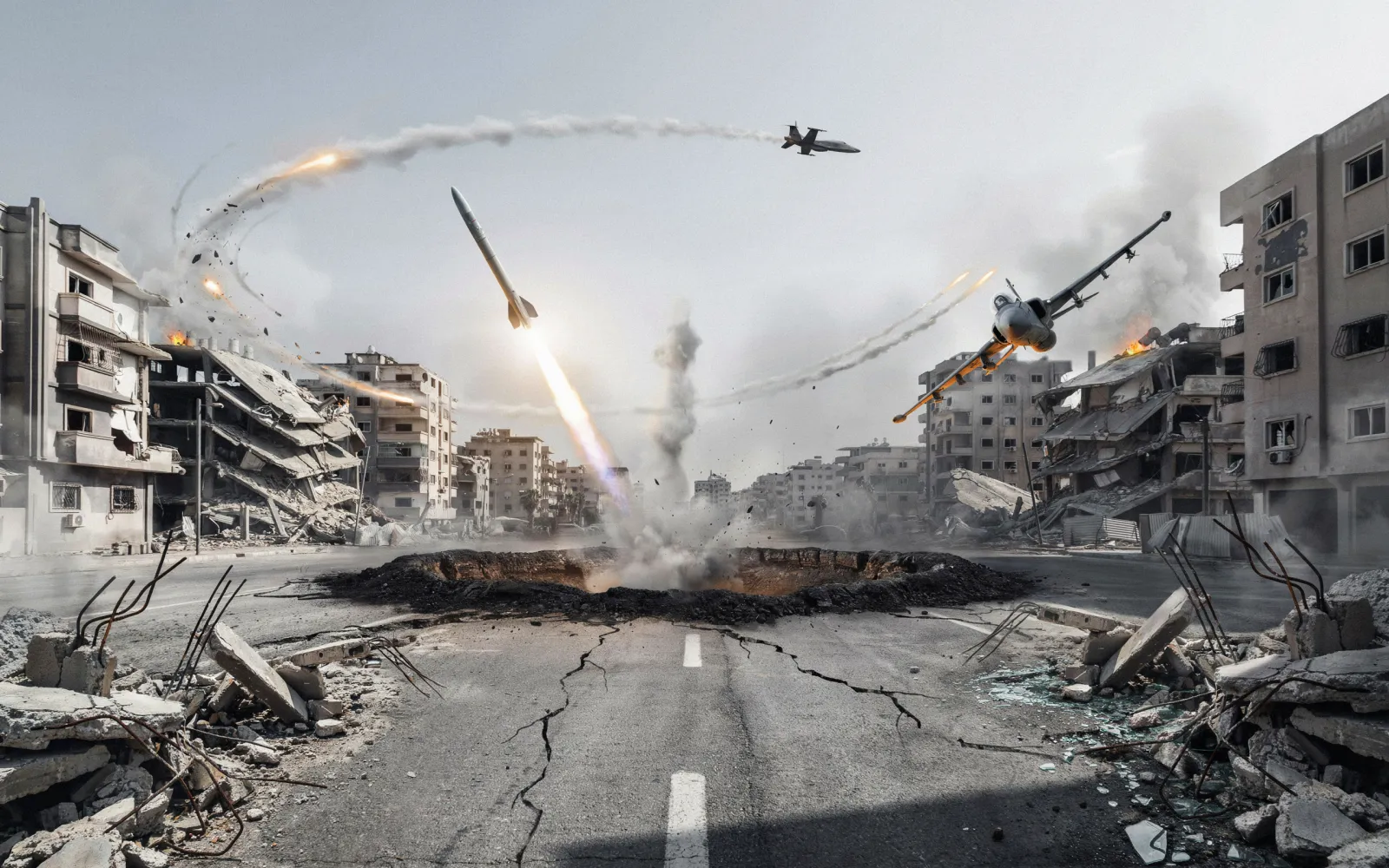
On June 9, 2026, Russian forces struck Ukraine’s eastern Kharkiv region, the southern industrial hub of Zaporizhzhia, and the Russian‑annexed Crimean city of Sevastopol with a coordinated salvo of missiles and drones. The attacks left four civilians dead and injured more than twenty others.
In the town of Chuhuiv, just north of Kharkiv, regional governor Oleh Syniehubov posted a photo of a gutted apartment block ablaze, noting that two men and two women had been killed. He added that an overnight drone strike on Kharkiv itself had forced fifteen people—including three children—to seek medical care, while Chuhuiv’s mayor, Galina Minaeva, reported six residents with injuries.
Sevastopol, the home of Russia’s Black Sea fleet, reported that its defence systems had intercepted a drone attack. Local Russian‑installed governor Mikhail Razvozhayev shared a Telegram post confirming the interception.
The industrial city of Zaporizhzhia suffered a separate missile strike that killed two people and wounded twenty‑three. The incident was captured on CCTV footage that was later shared on social media.
These strikes are part of a broader pattern of large‑scale attacks by both sides. Over the past month, Russia has deployed Oreshnik intermediate‑range ballistic missiles against Ukrainian targets, while Kyiv has intensified strikes on Russian energy infrastructure. Both Moscow and Kyiv maintain that battlefield gains bolster their diplomatic positions.
The attacks followed President Volodymyr Zelensky’s call for an end to the war and a proposal for direct dialogue between Ukraine and Russia, with active participation from the United States and Europe. Zelensky returned to Kyiv from talks in London with leaders of Britain, France and Germany, who expressed readiness to support ceasefire negotiations. He also reported a “positive” conversation with U.S. envoys Steve Witkoff and Jared Kushner, praising their willingness to work toward a settlement.
U.S. officials continue to discuss a possible visit to Kyiv by Witkoff and Kushner, potentially the first official trip for the envoys to Ukraine. Finnish Foreign Minister Elina Valtonen told the U.N. Security Council that Nordic countries back Zelensky’s proposal for an immediate ceasefire and direct talks with Russian President Vladimir Putin.
In London, Zelensky asked Prime Minister Keir Starmer for additional missiles to bolster Ukraine’s air‑defence systems. Russian Deputy Foreign Minister Mikhail Galuzin warned that NATO countries are increasing their presence near Russia and Belarus, and that the Union State remains in a constant state of readiness to employ all means, including nuclear options, to ensure security.
The attacks on Kharkiv, Chuhuiv, Sevastopol and Zaporizhzhia underscore the conflict’s continued intensity. While the Ukrainian government reports casualties and damage, Reuters has not independently verified the claims. The situation remains fluid, with ongoing diplomatic efforts and military operations on both sides.
As the war drags on, the international community watches closely. The latest strikes highlight the urgency of renewed negotiations and the challenges of achieving a lasting ceasefire. Ukraine continues to call for international support, while Russia maintains its military posture in the region.
At present, four people have been confirmed dead and more than twenty injured across the Kharkiv region and Zaporizhzhia. Crimea reports successful interception of drone attacks. No further casualties have been reported, and diplomatic channels remain open for potential talks.
Future developments are likely to involve continued monitoring of military activity, updates from Ukrainian and Russian officials, and any progress in peace negotiations. The global community remains engaged in seeking a resolution to the conflict.
In the town of Chuhuiv, just north of Kharkiv, regional governor Oleh Syniehubov posted a photo of a gutted apartment block ablaze, noting that two men and two women had been killed. He added that an overnight drone strike on Kharkiv itself had forced fifteen people—including three children—to seek medical care, while Chuhuiv’s mayor, Galina Minaeva, reported six residents with injuries.
Sevastopol, the home of Russia’s Black Sea fleet, reported that its defence systems had intercepted a drone attack. Local Russian‑installed governor Mikhail Razvozhayev shared a Telegram post confirming the interception.
The industrial city of Zaporizhzhia suffered a separate missile strike that killed two people and wounded twenty‑three. The incident was captured on CCTV footage that was later shared on social media.
These strikes are part of a broader pattern of large‑scale attacks by both sides. Over the past month, Russia has deployed Oreshnik intermediate‑range ballistic missiles against Ukrainian targets, while Kyiv has intensified strikes on Russian energy infrastructure. Both Moscow and Kyiv maintain that battlefield gains bolster their diplomatic positions.
The attacks followed President Volodymyr Zelensky’s call for an end to the war and a proposal for direct dialogue between Ukraine and Russia, with active participation from the United States and Europe. Zelensky returned to Kyiv from talks in London with leaders of Britain, France and Germany, who expressed readiness to support ceasefire negotiations. He also reported a “positive” conversation with U.S. envoys Steve Witkoff and Jared Kushner, praising their willingness to work toward a settlement.
U.S. officials continue to discuss a possible visit to Kyiv by Witkoff and Kushner, potentially the first official trip for the envoys to Ukraine. Finnish Foreign Minister Elina Valtonen told the U.N. Security Council that Nordic countries back Zelensky’s proposal for an immediate ceasefire and direct talks with Russian President Vladimir Putin.
In London, Zelensky asked Prime Minister Keir Starmer for additional missiles to bolster Ukraine’s air‑defence systems. Russian Deputy Foreign Minister Mikhail Galuzin warned that NATO countries are increasing their presence near Russia and Belarus, and that the Union State remains in a constant state of readiness to employ all means, including nuclear options, to ensure security.
The attacks on Kharkiv, Chuhuiv, Sevastopol and Zaporizhzhia underscore the conflict’s continued intensity. While the Ukrainian government reports casualties and damage, Reuters has not independently verified the claims. The situation remains fluid, with ongoing diplomatic efforts and military operations on both sides.
As the war drags on, the international community watches closely. The latest strikes highlight the urgency of renewed negotiations and the challenges of achieving a lasting ceasefire. Ukraine continues to call for international support, while Russia maintains its military posture in the region.
At present, four people have been confirmed dead and more than twenty injured across the Kharkiv region and Zaporizhzhia. Crimea reports successful interception of drone attacks. No further casualties have been reported, and diplomatic channels remain open for potential talks.
Future developments are likely to involve continued monitoring of military activity, updates from Ukrainian and Russian officials, and any progress in peace negotiations. The global community remains engaged in seeking a resolution to the conflict.