Blab News
Scotlands 2026 World Cup Campaign Begins Amid Norway Spat and Expanded Host Nations
Scotland is back on the world stage after a 28‑year wait, with its first match scheduled for June 11, 2026, in a tournament that will span the United States, Canada and Mexico. Manager Steve Clarke has unveiled a 26‑player squad that will open Group C against Brazil, Morocco and Haiti.
Clarke’s selection, announced on May 19, 2026, features goalkeepers Craig Gordon, Angus Gunn and Liam Kelly; defenders Grant Hanley, Jack Hendry, Aaron Hickey, Dom Hyam, Scott McKenna, Nathan Patterson, Anthony Ralston, Andy Robertson, John Souttar and Kieran Tierney; midfielders Scott McTominay, John McGinn, Ross Stewart, Kieran Tierney and others; and forwards Lawrence Shankland and Kieran Tierney. The squad emerged after a series of friendlies and a training camp in the United States.
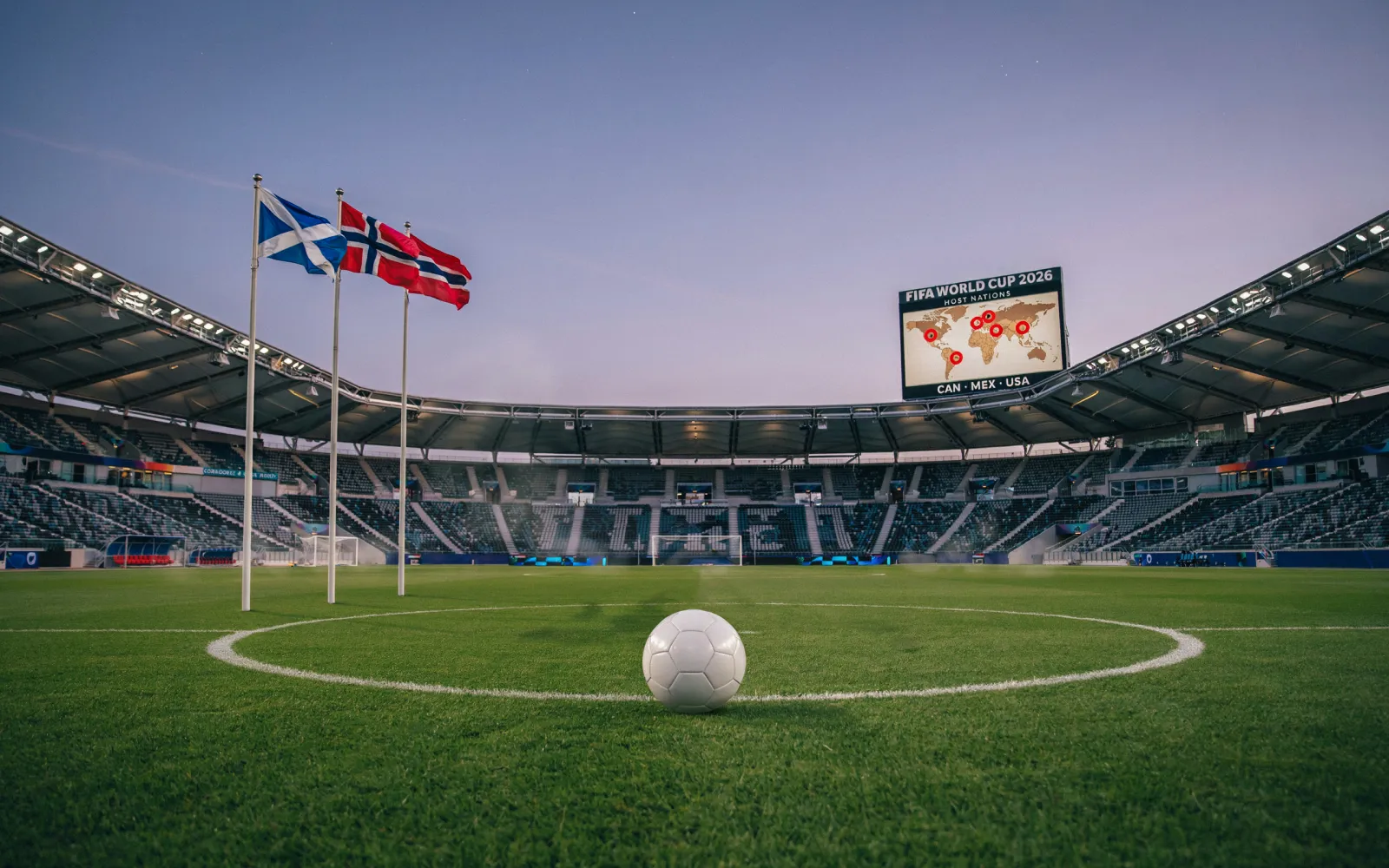
The 2026 World Cup will feature 48 teams, an expansion from the 32‑team format that has been in place since 1998. It will be the first edition jointly hosted by three countries, with 16 cities—eleven in the United States, three in Mexico and two in Canada—providing venues. Mexico will become the first nation to host or co‑host the men’s tournament three times, while Canada will host for the first time.
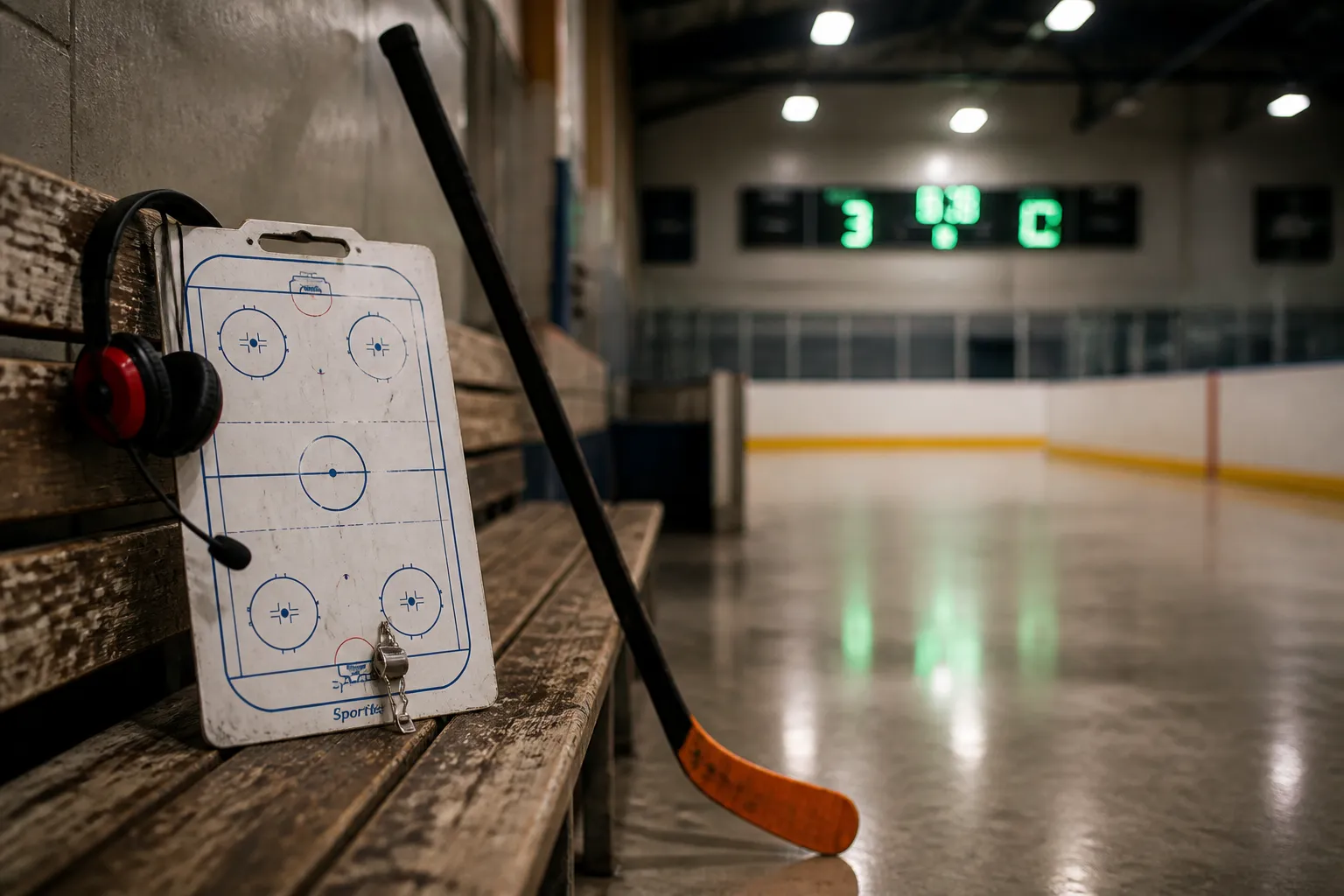
A last‑minute setback occurred when a training‑ground friendly against Norway was cancelled a day before it was set to take place in the United States on June 8. Norway’s head coach Ståle Solbakken described the decision as “unprofessional” and “embarrassing,” according to reports from the BBC and The New York Times. The cancellation followed a brief disagreement over travel arrangements and the timing of the match.
The spat drew criticism from Norwegian officials and fans alike. Solbakken’s remarks were echoed by Norwegian media, which highlighted the importance of maintaining professional standards ahead of a major tournament. Scotland’s football association has not issued a formal apology, but the incident has cast a shadow over the team’s pre‑tournament activities.
The squad balances experience with emerging talent. Long‑time captain Andy Robertson is expected to provide midfield leadership, while Scott McTominay and John McGinn are seen as key creative forces. The forward line will rely on Lawrence Shankland, who has been in good form for Celtic, and Kieran Tierney, who has returned from injury.
Group C presents a formidable opener for Scotland. Brazil, the 2022 champions, will be a challenging opponent, while Morocco, who reached the quarter‑finals in 2022, and Haiti, a CONCACAF qualifier, offer varied styles of play. Analysts have described the group as “tough,” reflecting the competitive nature of the expanded tournament.
The 2026 World Cup also marks a significant moment for the United States, which hosted the tournament in 1994. The event will be the first to be held in the United States since then and will feature 48 teams, a format that has sparked debate over scheduling, travel logistics and environmental impact.
Scotland’s campaign will be closely watched by the Tartan Army, who have historically supported the national side in major tournaments. The team’s return after 28 years has generated enthusiasm, but the Norway incident has reminded stakeholders of the importance of professionalism and preparation.
The Scottish Football Association has confirmed that the team will travel to the United States for a series of friendlies against the United States and Canada before the tournament. These matches are intended to provide match fitness and tactical cohesion.
As the tournament approaches, Scotland’s focus will be on integrating the squad, refining tactics and addressing the fallout from the Norway cancellation. The team’s performance in the opening match against Brazil will set the tone for the rest of the group stage.
The 2026 World Cup will conclude on July 19, 2026, with the final held in the United States. Scotland’s journey will test resilience, skill and the ability to navigate both on‑field challenges and off‑field controversies.
Clarke’s selection, announced on May 19, 2026, features goalkeepers Craig Gordon, Angus Gunn and Liam Kelly; defenders Grant Hanley, Jack Hendry, Aaron Hickey, Dom Hyam, Scott McKenna, Nathan Patterson, Anthony Ralston, Andy Robertson, John Souttar and Kieran Tierney; midfielders Scott McTominay, John McGinn, Ross Stewart, Kieran Tierney and others; and forwards Lawrence Shankland and Kieran Tierney. The squad emerged after a series of friendlies and a training camp in the United States.
The 2026 World Cup will feature 48 teams, an expansion from the 32‑team format that has been in place since 1998. It will be the first edition jointly hosted by three countries, with 16 cities—eleven in the United States, three in Mexico and two in Canada—providing venues. Mexico will become the first nation to host or co‑host the men’s tournament three times, while Canada will host for the first time.
A last‑minute setback occurred when a training‑ground friendly against Norway was cancelled a day before it was set to take place in the United States on June 8. Norway’s head coach Ståle Solbakken described the decision as “unprofessional” and “embarrassing,” according to reports from the BBC and The New York Times. The cancellation followed a brief disagreement over travel arrangements and the timing of the match.
The spat drew criticism from Norwegian officials and fans alike. Solbakken’s remarks were echoed by Norwegian media, which highlighted the importance of maintaining professional standards ahead of a major tournament. Scotland’s football association has not issued a formal apology, but the incident has cast a shadow over the team’s pre‑tournament activities.
The squad balances experience with emerging talent. Long‑time captain Andy Robertson is expected to provide midfield leadership, while Scott McTominay and John McGinn are seen as key creative forces. The forward line will rely on Lawrence Shankland, who has been in good form for Celtic, and Kieran Tierney, who has returned from injury.
Group C presents a formidable opener for Scotland. Brazil, the 2022 champions, will be a challenging opponent, while Morocco, who reached the quarter‑finals in 2022, and Haiti, a CONCACAF qualifier, offer varied styles of play. Analysts have described the group as “tough,” reflecting the competitive nature of the expanded tournament.
The 2026 World Cup also marks a significant moment for the United States, which hosted the tournament in 1994. The event will be the first to be held in the United States since then and will feature 48 teams, a format that has sparked debate over scheduling, travel logistics and environmental impact.
Scotland’s campaign will be closely watched by the Tartan Army, who have historically supported the national side in major tournaments. The team’s return after 28 years has generated enthusiasm, but the Norway incident has reminded stakeholders of the importance of professionalism and preparation.
The Scottish Football Association has confirmed that the team will travel to the United States for a series of friendlies against the United States and Canada before the tournament. These matches are intended to provide match fitness and tactical cohesion.
As the tournament approaches, Scotland’s focus will be on integrating the squad, refining tactics and addressing the fallout from the Norway cancellation. The team’s performance in the opening match against Brazil will set the tone for the rest of the group stage.
The 2026 World Cup will conclude on July 19, 2026, with the final held in the United States. Scotland’s journey will test resilience, skill and the ability to navigate both on‑field challenges and off‑field controversies.