Blab News
South Carolina Primaries Narrow Field for Governor and Senate, Trump Endorsements Shape Race
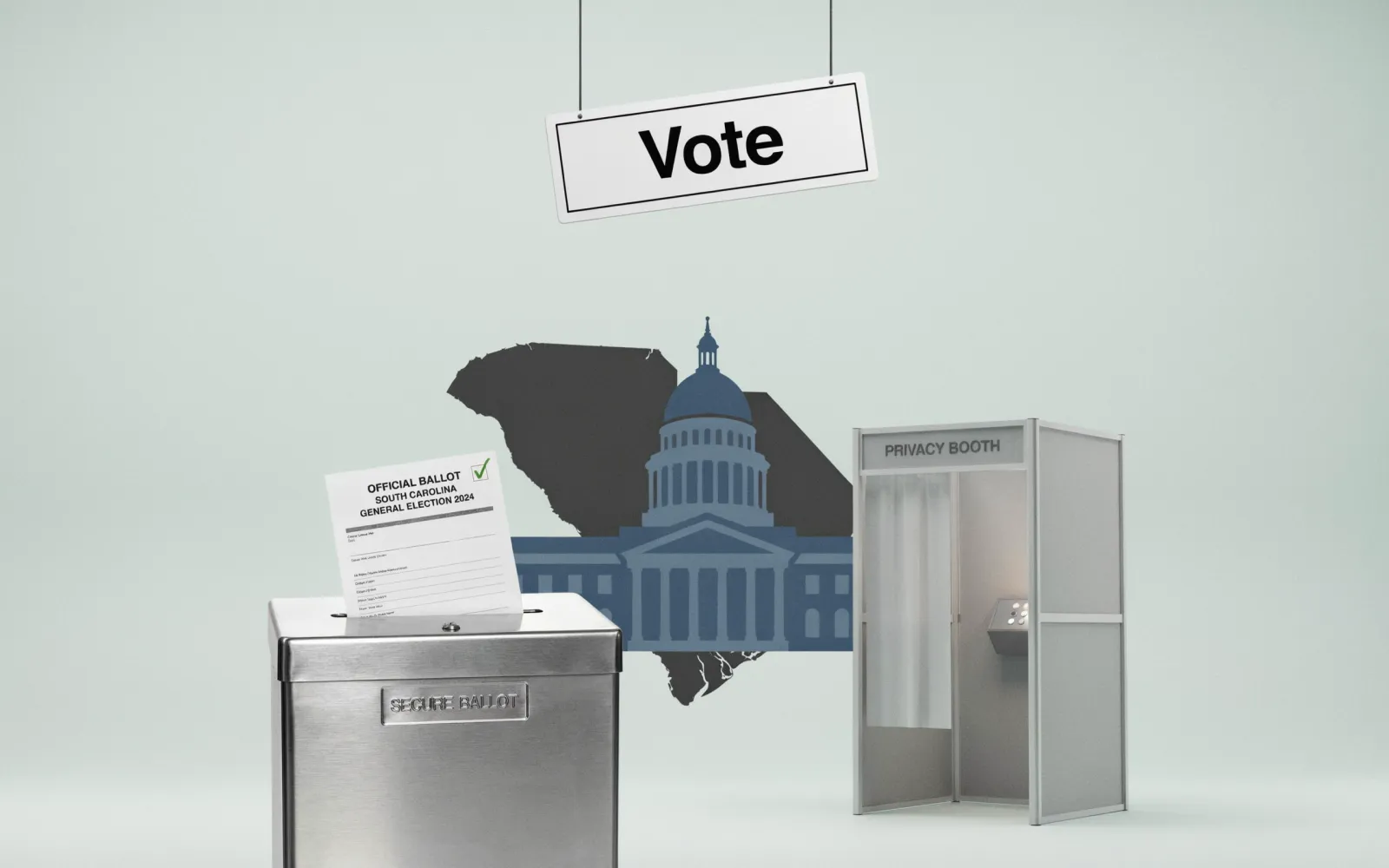
South Carolina voters on Tuesday, June 8, 2026, trimmed the field in the state’s high‑profile gubernatorial and U.S. Senate primaries. The Republican nominees will be chosen in a statewide contest that could trigger runoff elections on June 23 if no candidate secures a majority. The outcome matters because the state has not elected a Democrat to a statewide office in two decades and Republicans have maintained a winning streak that dates back to the 1990s.
In the governor’s race, the Republican field includes Lieutenant Governor Pamela Evette, U.S. Representative Nancy Mace, and several other candidates. President Donald Trump’s endorsement of Evette—announced before her campaign officially launched—has given her a significant advantage. According to the Associated Press, Evette has long highlighted her relationship with Trump in campaign materials, and she also received backing from outgoing Governor Henry McMaster, a longtime Trump ally. Mace, who has been a member of the U.S. House since 2021, sought Trump’s support as well but did not receive it. Trump had endorsed Mace for her 2024 congressional reelection, even though she criticized the president’s actions during the January 6, 2021 Capitol attack.
The Republican primary for the Senate seat is dominated by incumbent Senator Lindsey Graham, who is running for a fifth term. Graham, a senior senator and chair of the Senate Budget Committee, has a close relationship with Trump, who has endorsed him. Trump praised Graham’s support of the president’s 2023 strike on Iranian nuclear sites and said he often discusses the ongoing Iran‑U.S. conflict with the senator. Graham faces challengers such as Greenville businessman Mark Lynch, who labels himself an “America First” candidate and argues that Graham is not conservative enough. Lynch has attracted criticism from Trump, who has referred to him as a “lunatic” and a “disaster for the Republican Party” on social media.
The Democratic side of the race is less competitive. In the governor’s primary, State Representative Jermaine Johnson leads a field that includes political newcomer Billy Webster, a payday‑loan company founder who has self‑funded his campaign with $2 million, and attorney Mullins McLeod. McLeod’s campaign has faced scrutiny after a dashcam video surfaced showing him in a disorderly conduct arrest in 2025. In the Senate primary, Charleston physician Annie Andrews competes against Brandon Brown, a funeral home owner and former House candidate. Neither Democratic field has yet produced a front‑runner, and the parties have not won statewide office in South Carolina since 2006.
The primaries are taking place in a state that consistently votes Republican. In 2022, Governor McMaster won reelection by nearly 18 percentage points, and in 2020, Senator Graham defeated Democrat Jaime Harrison by 10 points in the most expensive Senate race in state history. Democrats have not won the governor’s office since 1998 and have not secured a Senate seat since 2006.
The presence of Trump’s endorsements has intensified the Republican primary battles. Evette’s endorsement has already shifted the governor’s field, and Graham’s support has helped him fend off primary challengers. The race will determine whether either candidate can secure a majority on the first ballot. If not, a runoff will be held on June 23.
The primaries also reflect broader national dynamics. Trump remains popular in South Carolina despite a war with Iran that has caused uncertainty in international markets. Some Republican candidates, such as Representative Ralph Norman, have previously supported Trump but have shifted their focus to other figures, like former Governor Nikki Haley, in recent campaigns.
The outcome of these primaries will shape the state’s political landscape for the next four years and influence the national midterm election. The Republican nominees are expected to win the general election, but the primaries will determine the specific individuals who will carry the party’s banner.
As of the Tuesday vote, no definitive winner has emerged in either race. The primaries will continue to be closely watched by observers who are interested in how Trump’s influence and the state’s partisan dynamics play out in the upcoming runoff elections.
In the governor’s race, the Republican field includes Lieutenant Governor Pamela Evette, U.S. Representative Nancy Mace, and several other candidates. President Donald Trump’s endorsement of Evette—announced before her campaign officially launched—has given her a significant advantage. According to the Associated Press, Evette has long highlighted her relationship with Trump in campaign materials, and she also received backing from outgoing Governor Henry McMaster, a longtime Trump ally. Mace, who has been a member of the U.S. House since 2021, sought Trump’s support as well but did not receive it. Trump had endorsed Mace for her 2024 congressional reelection, even though she criticized the president’s actions during the January 6, 2021 Capitol attack.
The Republican primary for the Senate seat is dominated by incumbent Senator Lindsey Graham, who is running for a fifth term. Graham, a senior senator and chair of the Senate Budget Committee, has a close relationship with Trump, who has endorsed him. Trump praised Graham’s support of the president’s 2023 strike on Iranian nuclear sites and said he often discusses the ongoing Iran‑U.S. conflict with the senator. Graham faces challengers such as Greenville businessman Mark Lynch, who labels himself an “America First” candidate and argues that Graham is not conservative enough. Lynch has attracted criticism from Trump, who has referred to him as a “lunatic” and a “disaster for the Republican Party” on social media.
The Democratic side of the race is less competitive. In the governor’s primary, State Representative Jermaine Johnson leads a field that includes political newcomer Billy Webster, a payday‑loan company founder who has self‑funded his campaign with $2 million, and attorney Mullins McLeod. McLeod’s campaign has faced scrutiny after a dashcam video surfaced showing him in a disorderly conduct arrest in 2025. In the Senate primary, Charleston physician Annie Andrews competes against Brandon Brown, a funeral home owner and former House candidate. Neither Democratic field has yet produced a front‑runner, and the parties have not won statewide office in South Carolina since 2006.
The primaries are taking place in a state that consistently votes Republican. In 2022, Governor McMaster won reelection by nearly 18 percentage points, and in 2020, Senator Graham defeated Democrat Jaime Harrison by 10 points in the most expensive Senate race in state history. Democrats have not won the governor’s office since 1998 and have not secured a Senate seat since 2006.
The presence of Trump’s endorsements has intensified the Republican primary battles. Evette’s endorsement has already shifted the governor’s field, and Graham’s support has helped him fend off primary challengers. The race will determine whether either candidate can secure a majority on the first ballot. If not, a runoff will be held on June 23.
The primaries also reflect broader national dynamics. Trump remains popular in South Carolina despite a war with Iran that has caused uncertainty in international markets. Some Republican candidates, such as Representative Ralph Norman, have previously supported Trump but have shifted their focus to other figures, like former Governor Nikki Haley, in recent campaigns.
The outcome of these primaries will shape the state’s political landscape for the next four years and influence the national midterm election. The Republican nominees are expected to win the general election, but the primaries will determine the specific individuals who will carry the party’s banner.
As of the Tuesday vote, no definitive winner has emerged in either race. The primaries will continue to be closely watched by observers who are interested in how Trump’s influence and the state’s partisan dynamics play out in the upcoming runoff elections.