Blab News
UKs Nuclear Submarine Fleet Faces Readiness Crisis as All Attack Boats Await Repairs
The Royal Navy’s silent fleet has fallen silent. For the first time in more than a decade, every nuclear‑armed attack submarine in Britain’s navy is out of the water, docked for maintenance or repair, leaving the country without a ready hunter‑killer platform.
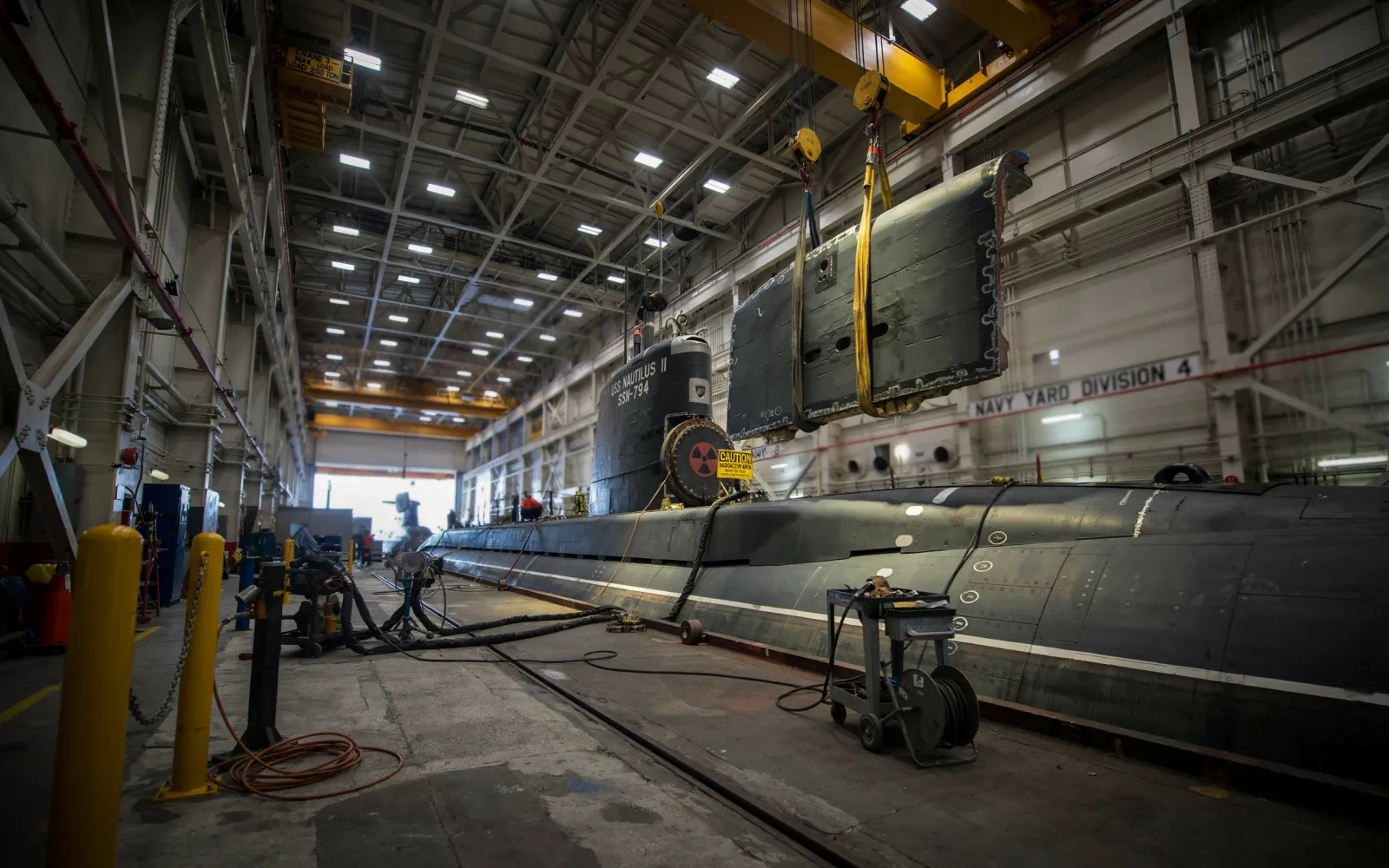
The six Astute‑class SSNs—Britain’s only nuclear‑powered fleet submarines—are all in port. One vessel is undergoing pre‑sea trial testing, another is still under construction, and the remaining four are being repaired in dockyards across the country. The Ministry of Defence confirmed that all five “active‑duty” Astutes are in port, a situation described as a “zero‑percent” readiness level. The loss of these submarines curtails the Royal Navy’s ability to conduct surveillance, intelligence gathering and deterrent patrols.
The submarine service has long been a cornerstone of British maritime power. Today it operates only four Vanguard‑class ballistic‑missile submarines (SSBNs) and five Astute SSNs. Each Vanguard carries up to 16 UGM‑133A Trident II missiles, and the class is the sole platform for the UK’s nuclear deterrent.
Reliability concerns now loom over the Vanguard fleet as well. In January 2024, a Trident II missile fired from HMS Vanguard failed when its booster rocket malfunctioned, causing the missile to fall into the sea. This incident marked the second consecutive failure of a Trident II launch in eight years; the first failure occurred in 2016. The last successful launch of a Trident II by the Royal Navy was in 2012, meaning the deterrent has not successfully launched a missile in more than a decade.
The implications for the UK’s strategic posture are serious. The 2025 Strategic Defence Review describes the nuclear deterrent as a “minimum, credible, independent” force that must be capable of defending NATO. With only four Vanguard submarines, each carrying 16 missiles, a failure of a single vessel would remove 25 % of the UK’s strategic arsenal. Defence Secretary Grant Shapps has publicly expressed confidence in the Trident system, but the repeated launch failures and the lack of operational attack submarines raise questions about the deterrent’s credibility.
These problems are part of a broader pattern of deferred maintenance and budget constraints. The Ministry of Defence announced that nuclear submarine defuelling would restart in 2026, and the Vanguard class is scheduled for replacement by the Dreadnought class in the early 2030s. Meanwhile, the UK remains heavily dependent on U.S.‑built Trident missiles, manufactured by Lockheed Martin and requiring U.S. support for maintenance.
In short, Britain’s nuclear submarine fleet is confronting a dual crisis: all attack submarines are out of service, and the sole ballistic‑missile platform has not successfully launched a missile in more than a decade. Plans to resume defuelling and to introduce the Dreadnought class are steps toward addressing these gaps, but the current readiness levels undermine the UK’s ability to project nuclear deterrence and to meet its obligations under NATO.
The six Astute‑class SSNs—Britain’s only nuclear‑powered fleet submarines—are all in port. One vessel is undergoing pre‑sea trial testing, another is still under construction, and the remaining four are being repaired in dockyards across the country. The Ministry of Defence confirmed that all five “active‑duty” Astutes are in port, a situation described as a “zero‑percent” readiness level. The loss of these submarines curtails the Royal Navy’s ability to conduct surveillance, intelligence gathering and deterrent patrols.
The submarine service has long been a cornerstone of British maritime power. Today it operates only four Vanguard‑class ballistic‑missile submarines (SSBNs) and five Astute SSNs. Each Vanguard carries up to 16 UGM‑133A Trident II missiles, and the class is the sole platform for the UK’s nuclear deterrent.
Reliability concerns now loom over the Vanguard fleet as well. In January 2024, a Trident II missile fired from HMS Vanguard failed when its booster rocket malfunctioned, causing the missile to fall into the sea. This incident marked the second consecutive failure of a Trident II launch in eight years; the first failure occurred in 2016. The last successful launch of a Trident II by the Royal Navy was in 2012, meaning the deterrent has not successfully launched a missile in more than a decade.
The implications for the UK’s strategic posture are serious. The 2025 Strategic Defence Review describes the nuclear deterrent as a “minimum, credible, independent” force that must be capable of defending NATO. With only four Vanguard submarines, each carrying 16 missiles, a failure of a single vessel would remove 25 % of the UK’s strategic arsenal. Defence Secretary Grant Shapps has publicly expressed confidence in the Trident system, but the repeated launch failures and the lack of operational attack submarines raise questions about the deterrent’s credibility.
These problems are part of a broader pattern of deferred maintenance and budget constraints. The Ministry of Defence announced that nuclear submarine defuelling would restart in 2026, and the Vanguard class is scheduled for replacement by the Dreadnought class in the early 2030s. Meanwhile, the UK remains heavily dependent on U.S.‑built Trident missiles, manufactured by Lockheed Martin and requiring U.S. support for maintenance.
In short, Britain’s nuclear submarine fleet is confronting a dual crisis: all attack submarines are out of service, and the sole ballistic‑missile platform has not successfully launched a missile in more than a decade. Plans to resume defuelling and to introduce the Dreadnought class are steps toward addressing these gaps, but the current readiness levels undermine the UK’s ability to project nuclear deterrence and to meet its obligations under NATO.