Blab News
Xi Jinping Visits North Korea, Expands Diplomatic and Economic Ties, No Mention of Nuclear Issue
When the sun rose over Pyongyang on June 8, 2026, a convoy of Chinese officials—led by President Xi Jinping and flanked by his wife and senior aides—entered the isolated capital for a two‑day state visit that would mark the first time the Chinese leader had flown into North Korea since 2019.
The itinerary was packed with meetings that culminated in what Xinhua described as an “important consensus” on taking China‑DPRK relations into a “new era.” In a series of briefings, Xi and Kim Jong Un agreed to deepen exchanges across diplomacy, law enforcement and the military, while also broadening economic cooperation, according to a statement released by the Korean Central News Agency (KCNA). The two leaders highlighted the recent reopening of border crossings and the resumption of passenger train and flight services that had been suspended for six years amid the COVID‑19 pandemic.
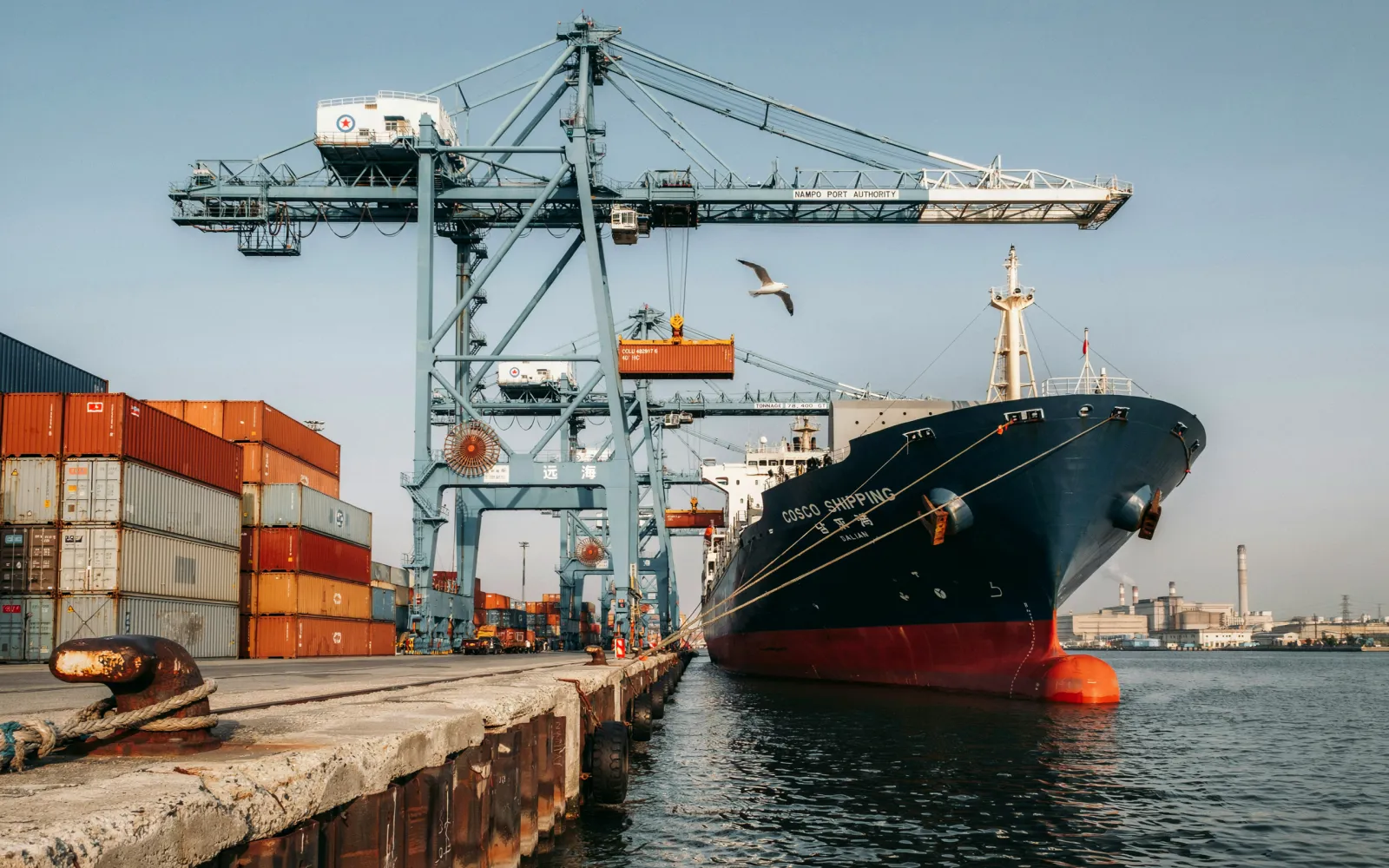
China remains North Korea’s largest trading partner, with more than 90 % of the latter’s imports coming from the mainland. Trade data released earlier in 2025 showed a rebound to pre‑pandemic levels, a trend that the visit is expected to reinforce. Analysts note that the two countries have been working to restore economic links, including the reopening of the Kaesong industrial complex and the resumption of cross‑border trade in goods such as coal and textiles.
Despite the focus on economic and diplomatic cooperation, no official statements from either side addressed North Korea’s nuclear weapons program. The summit’s press releases and KCNA’s coverage omitted any mention of denuclearisation or sanctions relief. Analysts such as Lee Ho‑ryung of the Korea Institute for Defence Analyses have interpreted this silence as an implicit recognition of Pyongyang’s nuclear rights, while Kim’s sister, Kim Yo‑jong, had earlier reiterated that the nuclear arsenal was a “line of no retreat.”
During the visit, Kim also reaffirmed North Korea’s support for China’s One‑China principle regarding Taiwan. KCNA reported that Kim pledged full backing for the Chinese party’s stance on Taiwan, a statement that underscores the ideological alignment between the two regimes.
The summit occurred against a backdrop of shifting geopolitical dynamics. Kim has gained a more prominent international profile by providing Russia with military equipment for the war in Ukraine, a development that has altered perceptions of North Korea from a pariah to a strategic actor. The 1961 mutual‑aid treaty, the only defense pact China has signed, remains in force, and North Korea’s recent 2024 treaty with Russia further expands its security network.
China’s objectives appear to balance economic incentives with strategic oversight. According to Hong Min, an analyst at the Korea Institute for National Unification, Beijing aims to monitor North Korea to ensure it does not act against Chinese interests while offering economic benefits. The visit also followed a string of meetings between Kim and other leaders, including those of Belarus, Laos and Vietnam, indicating a broader effort to normalize North Korea’s diplomatic standing.
The visit was conducted amid a series of high‑profile summits hosted by Xi in Beijing, including meetings with U.S. President Donald Trump and Russian President Vladimir Putin. The Pyongyang trip is the latest in a pattern of Xi’s outreach to key regional partners.
As of the end of the two‑day visit, the two leaders had not released a joint statement on future military cooperation or a timetable for economic projects. The next steps will likely involve detailed negotiations on trade agreements, infrastructure projects, and the logistics of cross‑border transport. The absence of any discussion on nuclear policy leaves the issue unresolved, with international observers noting that the summit did not alter the status quo regarding sanctions or denuclearisation talks.
In summary, Xi Jinping’s visit to North Korea marked a significant step in renewing diplomatic and economic ties, reaffirmed mutual support on political issues such as Taiwan, and highlighted the continued importance of the China‑North Korea alliance. The lack of reference to nuclear weapons or sanctions relief means that the core security concerns surrounding the peninsula remain unchanged, and the international community will continue to monitor subsequent developments for any shift in policy or practice.
The itinerary was packed with meetings that culminated in what Xinhua described as an “important consensus” on taking China‑DPRK relations into a “new era.” In a series of briefings, Xi and Kim Jong Un agreed to deepen exchanges across diplomacy, law enforcement and the military, while also broadening economic cooperation, according to a statement released by the Korean Central News Agency (KCNA). The two leaders highlighted the recent reopening of border crossings and the resumption of passenger train and flight services that had been suspended for six years amid the COVID‑19 pandemic.
China remains North Korea’s largest trading partner, with more than 90 % of the latter’s imports coming from the mainland. Trade data released earlier in 2025 showed a rebound to pre‑pandemic levels, a trend that the visit is expected to reinforce. Analysts note that the two countries have been working to restore economic links, including the reopening of the Kaesong industrial complex and the resumption of cross‑border trade in goods such as coal and textiles.
Despite the focus on economic and diplomatic cooperation, no official statements from either side addressed North Korea’s nuclear weapons program. The summit’s press releases and KCNA’s coverage omitted any mention of denuclearisation or sanctions relief. Analysts such as Lee Ho‑ryung of the Korea Institute for Defence Analyses have interpreted this silence as an implicit recognition of Pyongyang’s nuclear rights, while Kim’s sister, Kim Yo‑jong, had earlier reiterated that the nuclear arsenal was a “line of no retreat.”
During the visit, Kim also reaffirmed North Korea’s support for China’s One‑China principle regarding Taiwan. KCNA reported that Kim pledged full backing for the Chinese party’s stance on Taiwan, a statement that underscores the ideological alignment between the two regimes.
The summit occurred against a backdrop of shifting geopolitical dynamics. Kim has gained a more prominent international profile by providing Russia with military equipment for the war in Ukraine, a development that has altered perceptions of North Korea from a pariah to a strategic actor. The 1961 mutual‑aid treaty, the only defense pact China has signed, remains in force, and North Korea’s recent 2024 treaty with Russia further expands its security network.
China’s objectives appear to balance economic incentives with strategic oversight. According to Hong Min, an analyst at the Korea Institute for National Unification, Beijing aims to monitor North Korea to ensure it does not act against Chinese interests while offering economic benefits. The visit also followed a string of meetings between Kim and other leaders, including those of Belarus, Laos and Vietnam, indicating a broader effort to normalize North Korea’s diplomatic standing.
The visit was conducted amid a series of high‑profile summits hosted by Xi in Beijing, including meetings with U.S. President Donald Trump and Russian President Vladimir Putin. The Pyongyang trip is the latest in a pattern of Xi’s outreach to key regional partners.
As of the end of the two‑day visit, the two leaders had not released a joint statement on future military cooperation or a timetable for economic projects. The next steps will likely involve detailed negotiations on trade agreements, infrastructure projects, and the logistics of cross‑border transport. The absence of any discussion on nuclear policy leaves the issue unresolved, with international observers noting that the summit did not alter the status quo regarding sanctions or denuclearisation talks.
In summary, Xi Jinping’s visit to North Korea marked a significant step in renewing diplomatic and economic ties, reaffirmed mutual support on political issues such as Taiwan, and highlighted the continued importance of the China‑North Korea alliance. The lack of reference to nuclear weapons or sanctions relief means that the core security concerns surrounding the peninsula remain unchanged, and the international community will continue to monitor subsequent developments for any shift in policy or practice.