Blab News
Xi-Kim Summit Highlights China-North Korea Ties, While U.S. Focus Remains on North Koreas Nuclear Drive
When President Xi Jinping stepped into Pyongyang on June 8, 2026, cameras captured a spectacle of diplomacy, but beneath the ceremony, a silent threat continued to loom. Chinese and North Korean state media devoted thousands of words to the two‑day visit, celebrating a historic first meeting in seven years. Yet the coverage omitted a critical issue that matters to Washington: North Korea’s persistent pursuit of nuclear weapons.
The summit, held from 8–9 June 2026, highlighted friendship and mutual support, with ceremonial welcomes for the Chinese leader and promises of deeper economic cooperation. State‑run outlets in both countries framed the meeting as a step toward ‘fighting hegemony’ and strengthening bilateral ties, but no official statement touched on the nuclear issue.
In contrast, U.S. intelligence officials and policymakers have repeatedly warned that North Korea’s nuclear ambitions remain a top security threat to the United States and its allies in the region. According to the U.S. intelligence community’s 2026 Annual Threat Assessment, the regime is ‘committed to expanding its strategic weapons programs, including missiles and nuclear warheads, to solidify its deterrent capability.’
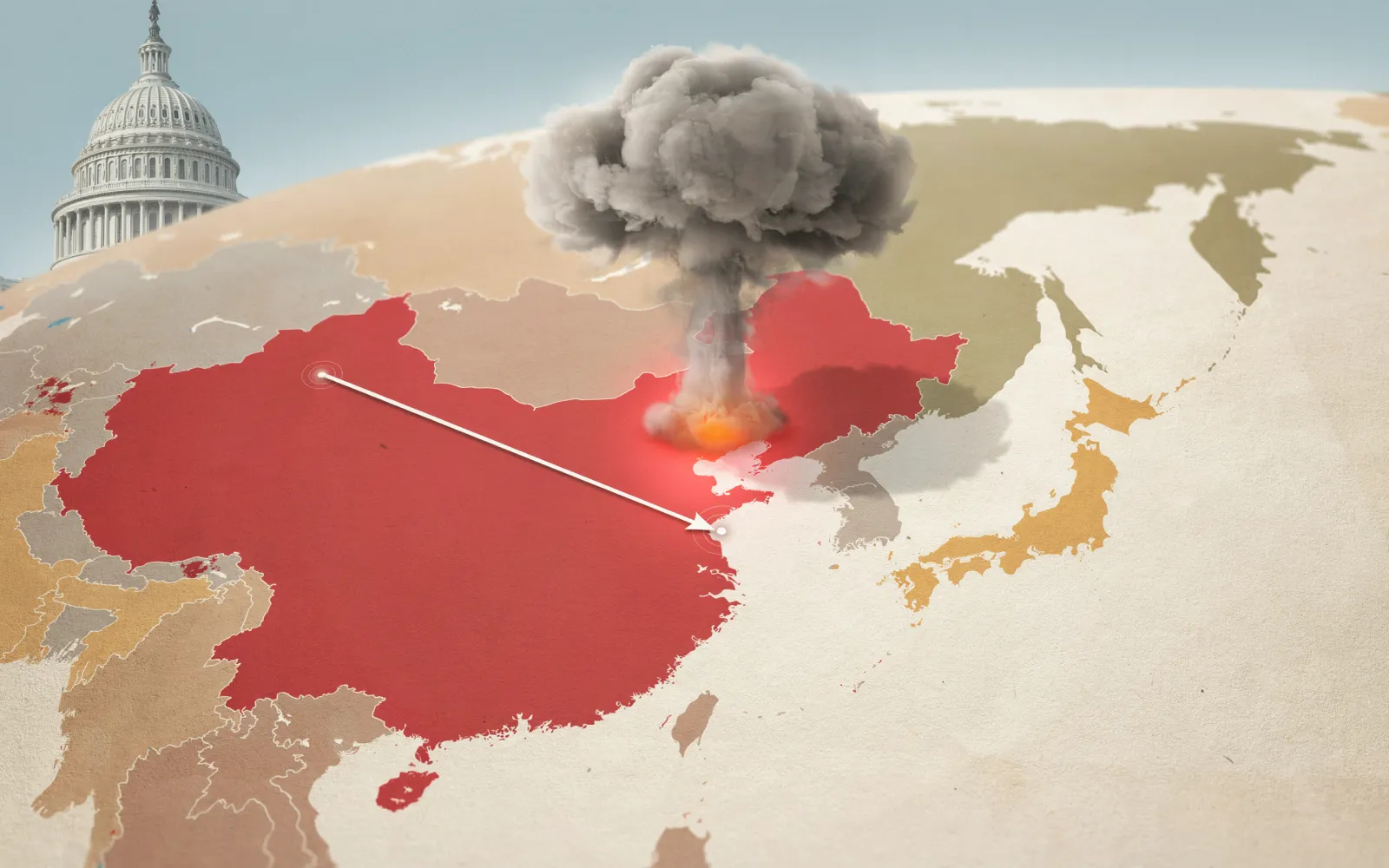
North Korean state media confirmed that Kim Jong Un unveiled a new facility for producing nuclear‑bomb fuel on 3 June 2026. A report from Deutsche Welle described the site as ‘undisclosed’ and noted that Kim declared the nuclear program ‘absolutely non‑negotiable.’ The statement, reported by state media, signals that the regime will not consider disarmament talks unless it can secure its own terms.
The regime’s nuclear posture is rooted in a long history of testing and missile development. North Korea has conducted six underground nuclear tests between 2006 and 2017 and is believed to possess a stockpile of around 60 warheads. The country also operates a large ballistic‑missile force, including intercontinental‑range models such as the Hwasong‑17. In 2024, the North signed a security and defense treaty with Russia, a move that may provide new avenues for technology transfer and sanctions circumvention.
China remains North Korea’s largest trading partner, accounting for more than 90 percent of its imports. While Beijing has historically opposed the regime’s nuclear tests, it has also avoided overt criticism in recent years. The 2026 summit was framed by Chinese officials as a step toward ‘fighting hegemony’ and strengthening bilateral ties, but no official statement addressed the nuclear issue.
The U.S. has maintained a policy of ‘maximum pressure’ against North Korea, including a series of sanctions and diplomatic efforts. Washington’s approach has been shaped by the 1994 Agreed Framework, which temporarily halted North Korea’s plutonium program, and the subsequent breakdown of talks in 2003. The 2017–2018 crisis, triggered by a series of missile and nuclear tests, led to a brief diplomatic thaw that ultimately collapsed.
In the weeks after the summit, U.S. officials briefed congressional committees on updated intelligence, emphasizing the need for coordinated action with allies. They highlighted that recent missile tests and the new nuclear‑fuel facility could undermine existing deterrence calculations and require a reassessment of regional security strategies.
The current diplomatic environment is further complicated by North Korea’s recent expansion of its nuclear and missile programs. The regime’s insistence that its nuclear status is ‘irreversible’ and ‘non‑negotiable’ underscores the likelihood that any future talks will require a new framework that addresses security guarantees for the United States and its allies.
At present, the summit has not altered the status quo. Washington continues to monitor North Korea’s nuclear activities closely and is preparing for potential diplomatic or economic responses. The U.S. government has indicated that it will keep sanctions in place while engaging in multilateral discussions with partners such as South Korea, Japan, and the United Nations. The next major development will likely come from the U.N. Security Council, where the United States and its allies may seek to strengthen sanctions or pursue new diplomatic initiatives. Meanwhile, the North’s nuclear program remains an unresolved issue that could shape the security dynamics of the Korean Peninsula for years to come.
The summit, held from 8–9 June 2026, highlighted friendship and mutual support, with ceremonial welcomes for the Chinese leader and promises of deeper economic cooperation. State‑run outlets in both countries framed the meeting as a step toward ‘fighting hegemony’ and strengthening bilateral ties, but no official statement touched on the nuclear issue.
In contrast, U.S. intelligence officials and policymakers have repeatedly warned that North Korea’s nuclear ambitions remain a top security threat to the United States and its allies in the region. According to the U.S. intelligence community’s 2026 Annual Threat Assessment, the regime is ‘committed to expanding its strategic weapons programs, including missiles and nuclear warheads, to solidify its deterrent capability.’
North Korean state media confirmed that Kim Jong Un unveiled a new facility for producing nuclear‑bomb fuel on 3 June 2026. A report from Deutsche Welle described the site as ‘undisclosed’ and noted that Kim declared the nuclear program ‘absolutely non‑negotiable.’ The statement, reported by state media, signals that the regime will not consider disarmament talks unless it can secure its own terms.
The regime’s nuclear posture is rooted in a long history of testing and missile development. North Korea has conducted six underground nuclear tests between 2006 and 2017 and is believed to possess a stockpile of around 60 warheads. The country also operates a large ballistic‑missile force, including intercontinental‑range models such as the Hwasong‑17. In 2024, the North signed a security and defense treaty with Russia, a move that may provide new avenues for technology transfer and sanctions circumvention.
China remains North Korea’s largest trading partner, accounting for more than 90 percent of its imports. While Beijing has historically opposed the regime’s nuclear tests, it has also avoided overt criticism in recent years. The 2026 summit was framed by Chinese officials as a step toward ‘fighting hegemony’ and strengthening bilateral ties, but no official statement addressed the nuclear issue.
The U.S. has maintained a policy of ‘maximum pressure’ against North Korea, including a series of sanctions and diplomatic efforts. Washington’s approach has been shaped by the 1994 Agreed Framework, which temporarily halted North Korea’s plutonium program, and the subsequent breakdown of talks in 2003. The 2017–2018 crisis, triggered by a series of missile and nuclear tests, led to a brief diplomatic thaw that ultimately collapsed.
In the weeks after the summit, U.S. officials briefed congressional committees on updated intelligence, emphasizing the need for coordinated action with allies. They highlighted that recent missile tests and the new nuclear‑fuel facility could undermine existing deterrence calculations and require a reassessment of regional security strategies.
The current diplomatic environment is further complicated by North Korea’s recent expansion of its nuclear and missile programs. The regime’s insistence that its nuclear status is ‘irreversible’ and ‘non‑negotiable’ underscores the likelihood that any future talks will require a new framework that addresses security guarantees for the United States and its allies.
At present, the summit has not altered the status quo. Washington continues to monitor North Korea’s nuclear activities closely and is preparing for potential diplomatic or economic responses. The U.S. government has indicated that it will keep sanctions in place while engaging in multilateral discussions with partners such as South Korea, Japan, and the United Nations. The next major development will likely come from the U.N. Security Council, where the United States and its allies may seek to strengthen sanctions or pursue new diplomatic initiatives. Meanwhile, the North’s nuclear program remains an unresolved issue that could shape the security dynamics of the Korean Peninsula for years to come.