Blab News
Human Rights Watch Urges Accountability for Rapid Support Forces Commanders Who Defected to Sudanese Army
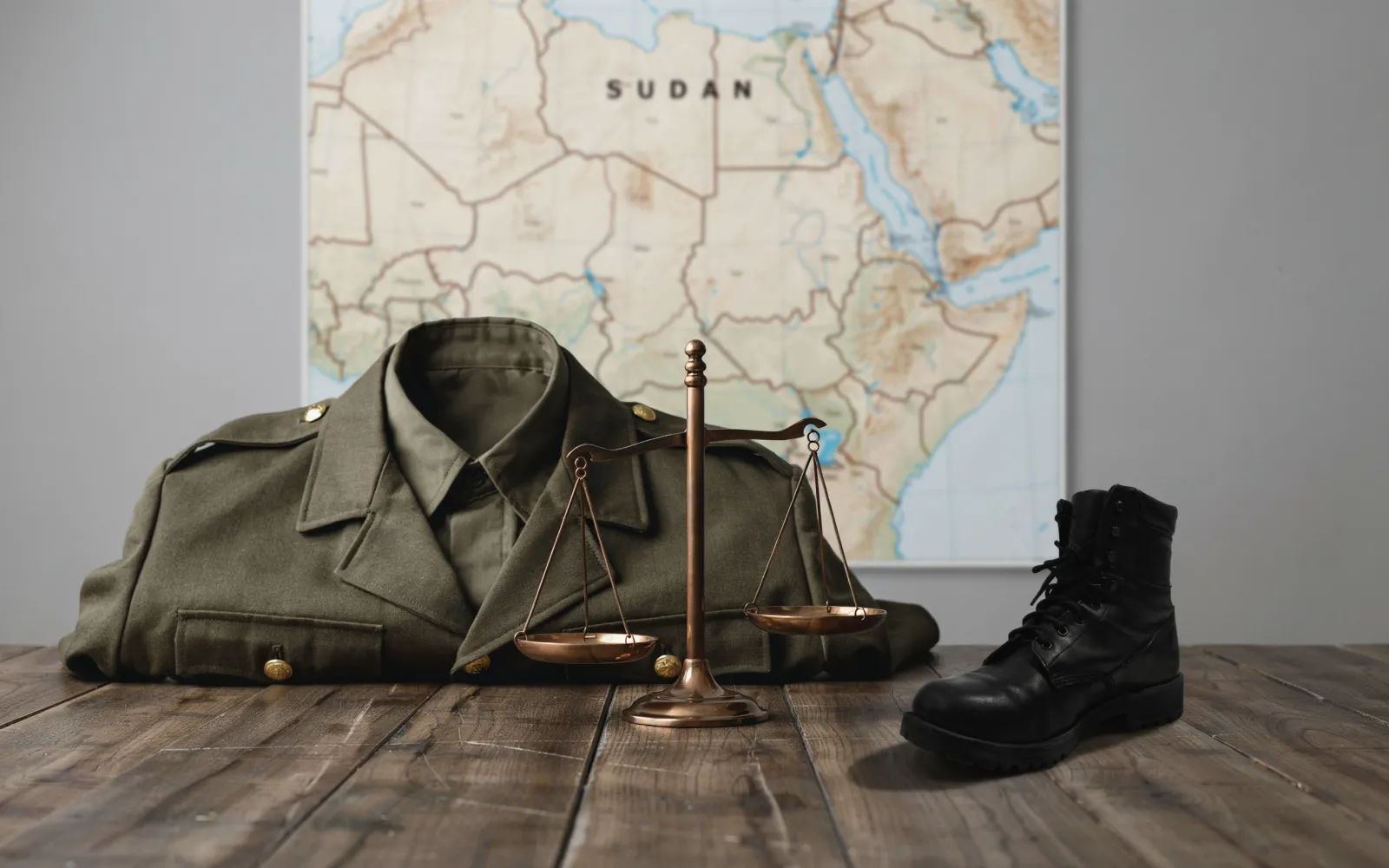
Human Rights Watch (HRW) has urged the Sudanese Armed Forces (SAF) to hold Rapid Support Forces (RSF) commanders who defected to the army accountable for serious crimes. The organization highlighted two defections that took place in April and May 2026, involving Ali Rizq Allah—known as Al‑Savannah—and Al‑Nour Ahmed Adam—known as Al‑Nour Al‑Qubba.
HRW’s statement, issued from Nairobi on 10 June 2026, made it clear that a change of allegiance does not erase past actions. The group called on the SAF to cooperate with ongoing independent regional and international investigations into serious international crimes in Darfur and other parts of Sudan.
Both commanders had led RSF units in violent operations. Al‑Savannah commanded forces in Kordofan and Darfur, while Al‑Nour Al‑Qubba directed units in North Darfur. HRW documented their presence during the RSF’s 18‑month siege of El Fasher, the capital of North Darfur, where the organization recorded widespread killings and rapes. Video evidence confirmed that the two men were on the ground in the city during the siege.
The SAF’s leadership publicly welcomed the defectors. General Abdel Fattah al‑Burhan, commander of the SAF and chair of the Sovereign Council, announced Al‑Qubba’s integration into the army. Al‑Savannah held a news conference in SAF uniform on 17 May, denouncing the RSF and pledging to fight alongside the army.
These defections fit a broader pattern. In October 2024, Abu Aqla Keikel, former commander of the Sudan Shield Forces, defected to the SAF after leading RSF units in Gezira state. HRW documented abuses by Keikel’s forces during the SAF’s recapture of Gezira in January 2025, and the European Union sanctioned Keikel in July 2025 for those crimes.
HRW notes that the SAF and allied forces have targeted civilians accused of “collaborating” with the RSF, including unlawful detentions. The SAF’s general amnesty policy—first announced in April 2023 and renewed in February 2026—allows RSF fighters who lay down arms to be integrated into the army. HRW argues that such amnesty cannot shield commanders from international law obligations to investigate, prosecute, and punish serious human‑rights violations.
International legal mechanisms are also at work. The Office of the Prosecutor of the International Criminal Court (ICC) has investigated war crimes, crimes against humanity, and genocide in Darfur since a 2005 UN Security Council referral. In January 2026, ICC Deputy Prosecutor Nazhat Shameem Khan reported that the office was collecting evidence on crimes in Al Geneina and El Fasher.
HRW calls on the Coalition for Atrocity Prevention and Justice on Sudan—comprising the United Kingdom, Germany, Ireland, the Netherlands, and Norway—to push for an expansion of the ICC’s jurisdiction to the whole of Sudan. The coalition should also condemn any amnesty that effectively grants impunity for serious crimes.
The organization stresses that accountability is essential to break the cycle of impunity that has plagued Sudan. HRW’s statement notes that neither the SAF nor the RSF has taken credible steps to investigate or prosecute members of their own forces for atrocities.
The United Nations Independent International Fact‑Finding Mission for the Sudan and the African Commission on Human and Peoples’ Rights Joint Fact‑Finding Mission have warned that without accountability, impunity will persist. HRW’s call for accountability aligns with these warnings.
The situation remains fluid. The SAF’s integration of defectors has not been accompanied by public investigations or prosecutions. HRW urges that the SAF provide access to evidence, victims, and survivors to independent investigators.
The broader context is a civil war that began in April 2023 between the SAF and the RSF. The conflict has displaced millions, caused widespread famine, and led to extensive human‑rights violations. The war’s escalation has drawn international attention, including sanctions and investigations by the ICC and the United Nations.
In summary, HRW’s 10 June 2026 statement calls for the Sudanese Armed Forces to hold defecting RSF commanders accountable for serious crimes, to cooperate with independent investigations, and to refrain from granting amnesty that undermines international legal obligations. The outcome of these calls will influence the trajectory of justice and reconciliation in Sudan.
HRW’s statement, issued from Nairobi on 10 June 2026, made it clear that a change of allegiance does not erase past actions. The group called on the SAF to cooperate with ongoing independent regional and international investigations into serious international crimes in Darfur and other parts of Sudan.
Both commanders had led RSF units in violent operations. Al‑Savannah commanded forces in Kordofan and Darfur, while Al‑Nour Al‑Qubba directed units in North Darfur. HRW documented their presence during the RSF’s 18‑month siege of El Fasher, the capital of North Darfur, where the organization recorded widespread killings and rapes. Video evidence confirmed that the two men were on the ground in the city during the siege.
The SAF’s leadership publicly welcomed the defectors. General Abdel Fattah al‑Burhan, commander of the SAF and chair of the Sovereign Council, announced Al‑Qubba’s integration into the army. Al‑Savannah held a news conference in SAF uniform on 17 May, denouncing the RSF and pledging to fight alongside the army.
These defections fit a broader pattern. In October 2024, Abu Aqla Keikel, former commander of the Sudan Shield Forces, defected to the SAF after leading RSF units in Gezira state. HRW documented abuses by Keikel’s forces during the SAF’s recapture of Gezira in January 2025, and the European Union sanctioned Keikel in July 2025 for those crimes.
HRW notes that the SAF and allied forces have targeted civilians accused of “collaborating” with the RSF, including unlawful detentions. The SAF’s general amnesty policy—first announced in April 2023 and renewed in February 2026—allows RSF fighters who lay down arms to be integrated into the army. HRW argues that such amnesty cannot shield commanders from international law obligations to investigate, prosecute, and punish serious human‑rights violations.
International legal mechanisms are also at work. The Office of the Prosecutor of the International Criminal Court (ICC) has investigated war crimes, crimes against humanity, and genocide in Darfur since a 2005 UN Security Council referral. In January 2026, ICC Deputy Prosecutor Nazhat Shameem Khan reported that the office was collecting evidence on crimes in Al Geneina and El Fasher.
HRW calls on the Coalition for Atrocity Prevention and Justice on Sudan—comprising the United Kingdom, Germany, Ireland, the Netherlands, and Norway—to push for an expansion of the ICC’s jurisdiction to the whole of Sudan. The coalition should also condemn any amnesty that effectively grants impunity for serious crimes.
The organization stresses that accountability is essential to break the cycle of impunity that has plagued Sudan. HRW’s statement notes that neither the SAF nor the RSF has taken credible steps to investigate or prosecute members of their own forces for atrocities.
The United Nations Independent International Fact‑Finding Mission for the Sudan and the African Commission on Human and Peoples’ Rights Joint Fact‑Finding Mission have warned that without accountability, impunity will persist. HRW’s call for accountability aligns with these warnings.
The situation remains fluid. The SAF’s integration of defectors has not been accompanied by public investigations or prosecutions. HRW urges that the SAF provide access to evidence, victims, and survivors to independent investigators.
The broader context is a civil war that began in April 2023 between the SAF and the RSF. The conflict has displaced millions, caused widespread famine, and led to extensive human‑rights violations. The war’s escalation has drawn international attention, including sanctions and investigations by the ICC and the United Nations.
In summary, HRW’s 10 June 2026 statement calls for the Sudanese Armed Forces to hold defecting RSF commanders accountable for serious crimes, to cooperate with independent investigations, and to refrain from granting amnesty that undermines international legal obligations. The outcome of these calls will influence the trajectory of justice and reconciliation in Sudan.