Blab News
Ukrainian Drone Strike Leaves Sevastopol Panorama Near-Total Destruction
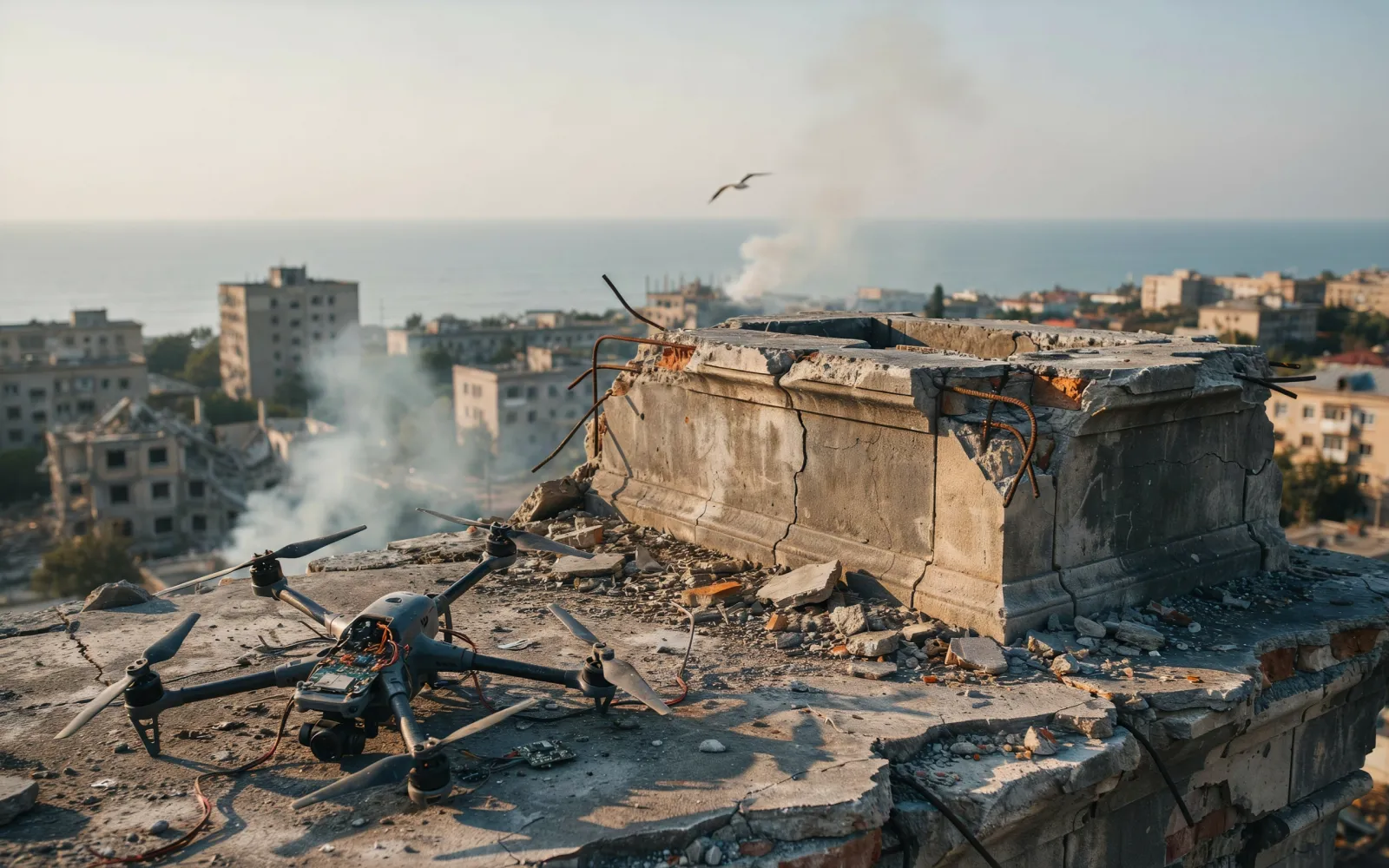
In the predawn hours of Wednesday, 10 June 2026, a Ukrainian fixed‑wing drone struck the building that houses the Panorama of the Siege of Sevastopol (1854‑1855) in the Russian‑occupied city of Sevastopol, Crimea. The attack ignited a fire that left the monumental painting almost completely destroyed, officials said.
The Panorama of the Siege of Sevastopol is a vast circular canvas painted by Russian artist Franz Roubaud between 1902 and 1904. It portrays the Allied assault on the Malakhov Battery on 6 June 1855, a decisive moment in the 349‑day siege of the Crimean War. The work was unveiled in a specially designed building in 1905, the fiftieth anniversary of the siege, and has long served as a cultural landmark in the city.
The panorama suffered damage during the German‑Romanian siege of Sevastopol in 1942 and was restored in the 1950s. Sevastopol Governor Mikhail Razvozhayev confirmed that the drone attack was deliberate and targeted a cultural heritage site. He added that the building’s roof had caught fire and that the panorama was “almost destroyed.” No injuries were reported, and local firefighters extinguished the blaze.
Razvozhayev also pledged that the panorama would be restored, as it was after the Great Patriotic War, and that the city would work to rebuild the damaged structure. The statement was posted on Russia’s national messenger Max.
The incident follows a series of Ukrainian drone attacks on Sevastopol that have targeted military and civilian infrastructure. Earlier this month, Ukrainian drones struck a museum and key Russian oil refineries in the region, causing a fuel crisis and prompting adjustments to train schedules.
Sevastopol, the largest city in Crimea, has been under Russian control since 27 February 2014, when Russia annexed the peninsula. The city is internationally recognised as part of Ukraine, but Russia administers it as a federal city. The ongoing conflict has resulted in repeated air and ground attacks on the city’s infrastructure.
The Panorama of the Siege of Sevastopol is not only a work of art but also a symbol of the city’s military history. It has been compared to other monumental panoramas, such as the Battle of Borodino and the Siege of Sevastopol in 1941‑1942. The painting features portraits of Russian naval commander Pavel Nakhimov, the nurse Dasha, and the physician Nikolay Pirogov.
According to Reuters, firefighters were able to extinguish the blaze that broke out after the drone strike. The building’s roof had been damaged, but the interior of the panorama was not fully exposed to the fire, which may limit the extent of the loss. However, Razvozhayev’s description of the damage as “almost destroyed” suggests that the painting itself has suffered significant harm.
The restoration of the panorama will likely require extensive conservation work. The city’s cultural authorities have previously undertaken similar projects after the war, restoring the painting to its former condition. The governor’s promise to restore the panorama indicates that the city intends to follow that precedent.
The attack on the Panorama of the Siege of Sevastopol raises questions about the protection of cultural heritage in conflict zones. International law, including the 1954 Hague Convention, obliges parties to a conflict to safeguard cultural property. The incident has been reported by local media and confirmed by the governor’s office, but no international investigation has yet been announced.
At present, the city’s authorities are assessing the damage and planning the restoration. No official timeline has been released for the reconstruction of the building or the panorama. The incident underscores the continuing risk to cultural sites in the region and the broader impact of the Russia‑Ukraine conflict on heritage preservation.
The panorama’s destruction is a significant loss for Sevastopol’s cultural heritage and a reminder of the broader consequences of the ongoing war. The city’s commitment to restoring the painting reflects a broader effort to preserve historical monuments despite the challenges posed by the conflict.
The situation remains fluid, and further updates are expected as authorities evaluate the damage and outline the restoration process.
The Panorama of the Siege of Sevastopol is a vast circular canvas painted by Russian artist Franz Roubaud between 1902 and 1904. It portrays the Allied assault on the Malakhov Battery on 6 June 1855, a decisive moment in the 349‑day siege of the Crimean War. The work was unveiled in a specially designed building in 1905, the fiftieth anniversary of the siege, and has long served as a cultural landmark in the city.
The panorama suffered damage during the German‑Romanian siege of Sevastopol in 1942 and was restored in the 1950s. Sevastopol Governor Mikhail Razvozhayev confirmed that the drone attack was deliberate and targeted a cultural heritage site. He added that the building’s roof had caught fire and that the panorama was “almost destroyed.” No injuries were reported, and local firefighters extinguished the blaze.
Razvozhayev also pledged that the panorama would be restored, as it was after the Great Patriotic War, and that the city would work to rebuild the damaged structure. The statement was posted on Russia’s national messenger Max.
The incident follows a series of Ukrainian drone attacks on Sevastopol that have targeted military and civilian infrastructure. Earlier this month, Ukrainian drones struck a museum and key Russian oil refineries in the region, causing a fuel crisis and prompting adjustments to train schedules.
Sevastopol, the largest city in Crimea, has been under Russian control since 27 February 2014, when Russia annexed the peninsula. The city is internationally recognised as part of Ukraine, but Russia administers it as a federal city. The ongoing conflict has resulted in repeated air and ground attacks on the city’s infrastructure.
The Panorama of the Siege of Sevastopol is not only a work of art but also a symbol of the city’s military history. It has been compared to other monumental panoramas, such as the Battle of Borodino and the Siege of Sevastopol in 1941‑1942. The painting features portraits of Russian naval commander Pavel Nakhimov, the nurse Dasha, and the physician Nikolay Pirogov.
According to Reuters, firefighters were able to extinguish the blaze that broke out after the drone strike. The building’s roof had been damaged, but the interior of the panorama was not fully exposed to the fire, which may limit the extent of the loss. However, Razvozhayev’s description of the damage as “almost destroyed” suggests that the painting itself has suffered significant harm.
The restoration of the panorama will likely require extensive conservation work. The city’s cultural authorities have previously undertaken similar projects after the war, restoring the painting to its former condition. The governor’s promise to restore the panorama indicates that the city intends to follow that precedent.
The attack on the Panorama of the Siege of Sevastopol raises questions about the protection of cultural heritage in conflict zones. International law, including the 1954 Hague Convention, obliges parties to a conflict to safeguard cultural property. The incident has been reported by local media and confirmed by the governor’s office, but no international investigation has yet been announced.
At present, the city’s authorities are assessing the damage and planning the restoration. No official timeline has been released for the reconstruction of the building or the panorama. The incident underscores the continuing risk to cultural sites in the region and the broader impact of the Russia‑Ukraine conflict on heritage preservation.
The panorama’s destruction is a significant loss for Sevastopol’s cultural heritage and a reminder of the broader consequences of the ongoing war. The city’s commitment to restoring the painting reflects a broader effort to preserve historical monuments despite the challenges posed by the conflict.
The situation remains fluid, and further updates are expected as authorities evaluate the damage and outline the restoration process.