Blab News
Gaza Conflict: Humanitarian Crisis Persists Amid Ceasefire and Ongoing Hostilities
The Gaza Strip, a 365‑km² enclave housing roughly 2.3 million residents, remains a flashpoint for humanitarian concern even after a ceasefire was brokered in October 2025. While the agreement has stalled large‑scale Israeli air strikes, sporadic shelling and ground operations persist, leaving civilians short of food, water, medicine and shelter.
The hostilities that erupted on 7 October 2023, when Hamas launched a surprise attack on Israel, have claimed more than 75,000 Palestinian lives and over 2,000 Israeli deaths, according to the Gaza Health Ministry (GHM) and the Israeli Ministry of Foreign Affairs. Independent research published in The Lancet estimates that violent fatalities could reach 75,200, with an additional 8,540 non‑violent deaths linked to the war. Women, children and the elderly make up the bulk of the casualties.
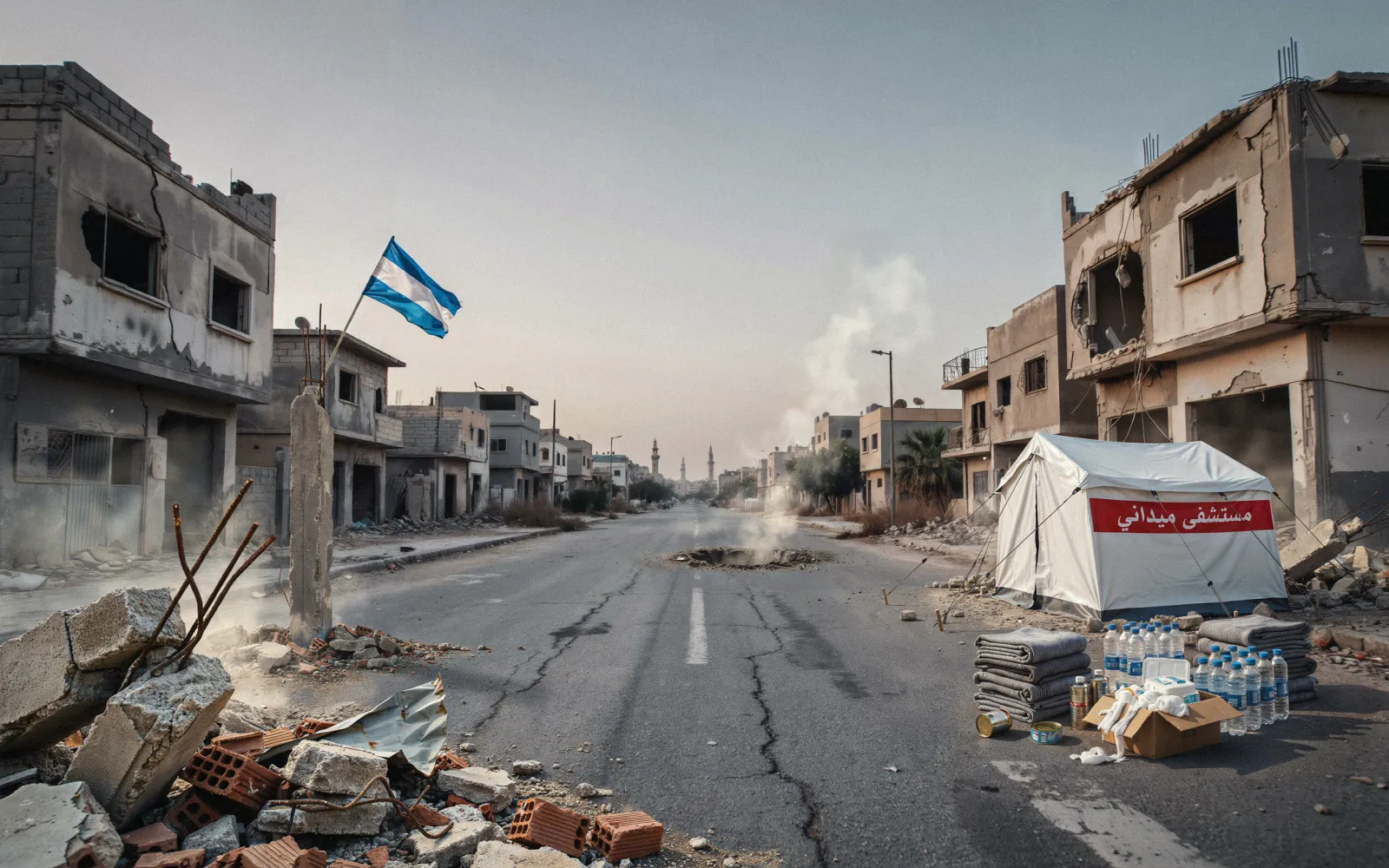
In early October 2025, the United States brokered a phased ceasefire. The first phase, effective from 10 October, called for an immediate halt to hostilities, the release of hostages, and the opening of humanitarian corridors. It also outlined a framework for the return of displaced residents and the reconstruction of damaged infrastructure. Yet, the United Nations Office for the Coordination of Humanitarian Affairs (OCHA) reports that many families still live in overcrowded tents or ruined buildings, and essential services such as electricity and clean water remain sporadic.
Since 2007, Israel and Egypt have enforced a blockade that limits the flow of goods and people into Gaza. Combined with the war’s destruction of infrastructure, the blockade has triggered a partial famine and a sharp rise in malnutrition and disease. OCHA’s May 15, 2026 report notes that a large proportion of the population shelters in structures that offer little protection against ongoing shelling.
Hamas has governed Gaza since 2007. An editorial in the New York Post on 11 June 2026 alleges that the group has repurposed schools and hospitals for detention and established a police state that monitors civilian movement. The editorial claims that Hamas uses its control to suppress dissent and enforce its rule through public executions and intimidation. While independent investigations have not confirmed these allegations, they align with reports of widespread human‑rights violations in the territory.
The United Nations Commission of Inquiry on the Occupied Palestinian Territory concluded in September 2025 that four of the five acts of genocide defined by the Genocide Convention had occurred in Gaza since the outbreak of the war. The commission’s findings have spurred calls for investigations by the International Court of Justice. Israel and its allies, including the United States, dispute the genocide allegations, arguing that the casualties stem from legitimate military operations against Hamas targets.
International aid agencies face logistical hurdles. The United Nations Relief and Works Agency (UNRWA) reports that many aid convoys are delayed by checkpoints, and the delivery of food, medicine and clean water is hampered by damaged roads and required security clearances. Additionally, the Israeli government announced on 1 March 2026 that it would bar 37 international non‑governmental organizations from operating in Gaza and the West Bank unless they provide lists of personnel to the authorities.
The humanitarian situation remains dire. OCHA estimates that more than 60 % of Gazans have lost family members since the war began, and thousands of bodies are believed to remain buried under rubble. The number of injured exceeds 100,000, and the region has the highest per‑capita rate of child amputees worldwide. Although the ceasefire has allowed some aid to reach the population, the scale of the damage and ongoing restrictions mean that full recovery will take years.
The international community continues to monitor the situation closely. The United Nations Security Council has adopted resolutions calling for a durable ceasefire and the protection of civilians. The United States has pledged to support reconstruction efforts, but the pace of aid delivery remains slow. The future of Gaza will hinge on all parties’ adherence to the ceasefire, facilitation of humanitarian access, and resolution of the underlying political and security challenges that have fueled the conflict.
The hostilities that erupted on 7 October 2023, when Hamas launched a surprise attack on Israel, have claimed more than 75,000 Palestinian lives and over 2,000 Israeli deaths, according to the Gaza Health Ministry (GHM) and the Israeli Ministry of Foreign Affairs. Independent research published in The Lancet estimates that violent fatalities could reach 75,200, with an additional 8,540 non‑violent deaths linked to the war. Women, children and the elderly make up the bulk of the casualties.
In early October 2025, the United States brokered a phased ceasefire. The first phase, effective from 10 October, called for an immediate halt to hostilities, the release of hostages, and the opening of humanitarian corridors. It also outlined a framework for the return of displaced residents and the reconstruction of damaged infrastructure. Yet, the United Nations Office for the Coordination of Humanitarian Affairs (OCHA) reports that many families still live in overcrowded tents or ruined buildings, and essential services such as electricity and clean water remain sporadic.
Since 2007, Israel and Egypt have enforced a blockade that limits the flow of goods and people into Gaza. Combined with the war’s destruction of infrastructure, the blockade has triggered a partial famine and a sharp rise in malnutrition and disease. OCHA’s May 15, 2026 report notes that a large proportion of the population shelters in structures that offer little protection against ongoing shelling.
Hamas has governed Gaza since 2007. An editorial in the New York Post on 11 June 2026 alleges that the group has repurposed schools and hospitals for detention and established a police state that monitors civilian movement. The editorial claims that Hamas uses its control to suppress dissent and enforce its rule through public executions and intimidation. While independent investigations have not confirmed these allegations, they align with reports of widespread human‑rights violations in the territory.
The United Nations Commission of Inquiry on the Occupied Palestinian Territory concluded in September 2025 that four of the five acts of genocide defined by the Genocide Convention had occurred in Gaza since the outbreak of the war. The commission’s findings have spurred calls for investigations by the International Court of Justice. Israel and its allies, including the United States, dispute the genocide allegations, arguing that the casualties stem from legitimate military operations against Hamas targets.
International aid agencies face logistical hurdles. The United Nations Relief and Works Agency (UNRWA) reports that many aid convoys are delayed by checkpoints, and the delivery of food, medicine and clean water is hampered by damaged roads and required security clearances. Additionally, the Israeli government announced on 1 March 2026 that it would bar 37 international non‑governmental organizations from operating in Gaza and the West Bank unless they provide lists of personnel to the authorities.
The humanitarian situation remains dire. OCHA estimates that more than 60 % of Gazans have lost family members since the war began, and thousands of bodies are believed to remain buried under rubble. The number of injured exceeds 100,000, and the region has the highest per‑capita rate of child amputees worldwide. Although the ceasefire has allowed some aid to reach the population, the scale of the damage and ongoing restrictions mean that full recovery will take years.
The international community continues to monitor the situation closely. The United Nations Security Council has adopted resolutions calling for a durable ceasefire and the protection of civilians. The United States has pledged to support reconstruction efforts, but the pace of aid delivery remains slow. The future of Gaza will hinge on all parties’ adherence to the ceasefire, facilitation of humanitarian access, and resolution of the underlying political and security challenges that have fueled the conflict.