Blab News
Trump Claims Near-Deal to Reopen Strait of Hormuz Amid Ongoing Oil Crisis
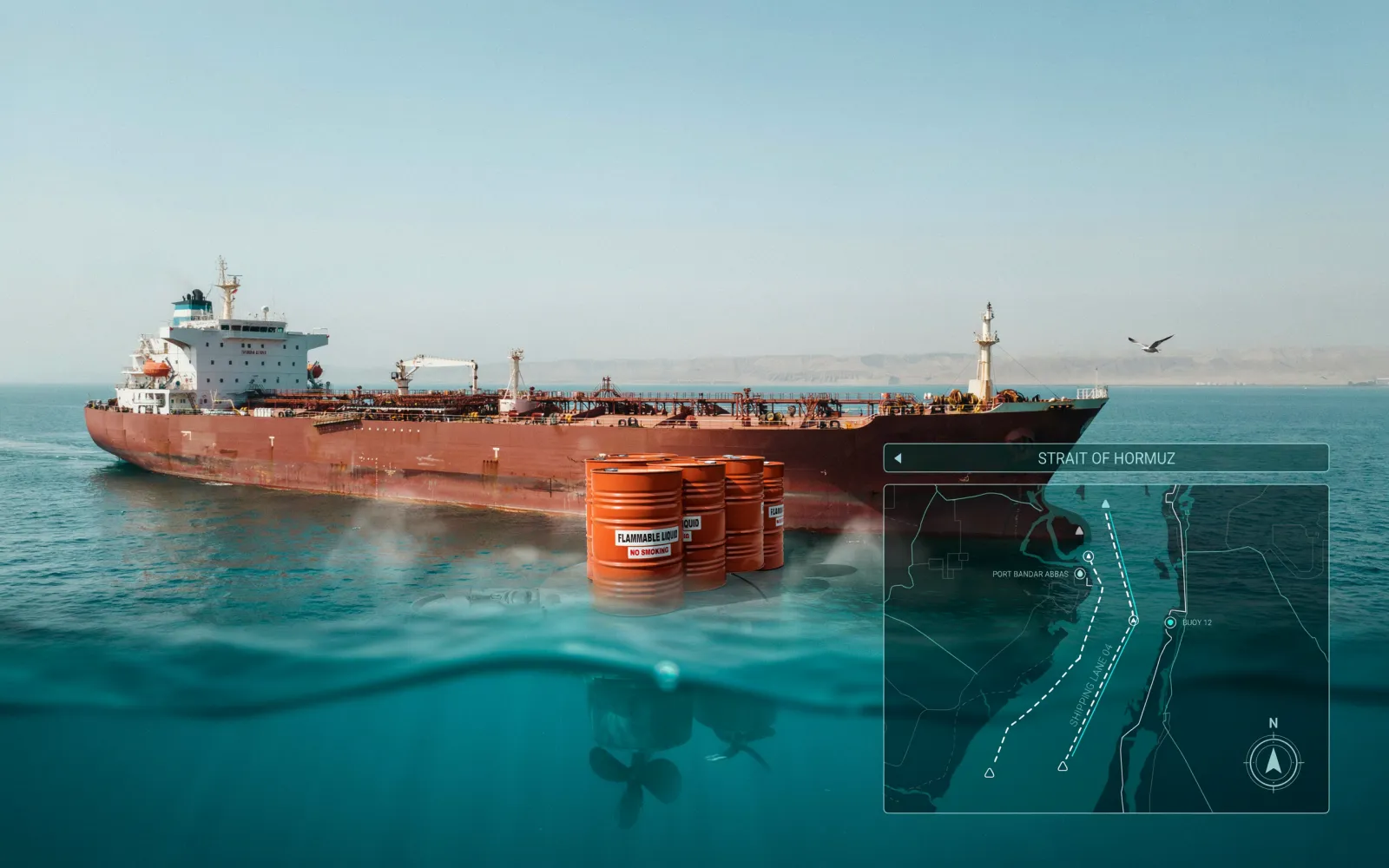
The 104‑mile Strait of Hormuz, the sole maritime corridor linking the Persian Gulf to the Gulf of Oman, has been effectively shut since February 28, 2026. The closure followed a U.S. and Israel‑led air campaign that culminated in the assassination of Iran’s supreme leader, Ali Khamenei. The waterway is vital for several Gulf states and carries roughly a quarter of the world’s seaborne oil and 20 % of liquefied natural gas (LNG) traffic.
In a private Oval Office briefing on June 12, President Donald Trump asserted that the United States had been covertly ferrying “millions of barrels” of oil through the strait and that a deal with Iran was “nearly ready.” He added that the strait would reopen as soon as a deal was signed. CNBC reported that Trump claimed the U.S. had moved more than 100 million barrels of oil and that over 200 commercial ships had been routed through the strait as part of a secret operation. Trump also said Iran had sent a “significant” oil‑related present and was prepared to negotiate a nuclear‑related agreement.
The U.S. narrative is part of a broader strategy to blunt the economic fallout from the crisis. Shipping bottlenecks have trapped thousands of vessels inside the Persian Gulf and outside the strait, while damaged oil infrastructure has slowed the restoration of normal flows. According to UNCTAD, the Dubai index suspended nominations of crude grades that require transit through the strait, leaving only Oman and Murban crude loaded at Fujairah in the index.
Oil production in the region is expected to take up to nine months to fully recover. A recent scenario analysis by the Dallas Federal Reserve found that a one‑to‑three‑quarter closure of the strait would have only a moderate effect on headline and core inflation, but the impact would be more pronounced in sectors such as petrochemicals, aviation, and manufacturing.
While a short‑term market rally is possible if the strait reopens, inflation remains elevated. The U.S. Treasury Department has warned that higher energy prices could continue to feed through to consumer goods and services. The United States remains the world’s largest crude producer, yet it still imports a significant share of its oil needs, and the current disruption has already pushed global oil prices near a 100 % increase from pre‑crisis levels.
The crisis marks the first major closure of the strait in recent history. Prior to 2026, the waterway had never been shut for an extended period during Middle East conflicts. The U.S. and Iran have traded direct military strikes over the strait in June, and the conflict has escalated into a broader war that has drawn in regional allies.
The U.S. government has not yet released a formal agreement with Iran, and no official documents confirm the details of Trump’s alleged secret mission. The administration, however, has reiterated that it is pursuing a diplomatic solution while maintaining a military presence in the region.
Long‑term risks of the crisis include heightened unemployment and broader economic turbulence, even if markets initially rebound. The United Nations has called for a swift resolution to prevent further disruption to global trade and energy security.
In the coming weeks, observers will watch for a formal treaty or a U.N.‑mediated agreement that could lift the blockade. The U.S. Treasury and the Department of Energy will likely issue updates on oil flows and inflation metrics, while the U.S. State Department will monitor diplomatic progress with Iran and its Gulf allies.
In a private Oval Office briefing on June 12, President Donald Trump asserted that the United States had been covertly ferrying “millions of barrels” of oil through the strait and that a deal with Iran was “nearly ready.” He added that the strait would reopen as soon as a deal was signed. CNBC reported that Trump claimed the U.S. had moved more than 100 million barrels of oil and that over 200 commercial ships had been routed through the strait as part of a secret operation. Trump also said Iran had sent a “significant” oil‑related present and was prepared to negotiate a nuclear‑related agreement.
The U.S. narrative is part of a broader strategy to blunt the economic fallout from the crisis. Shipping bottlenecks have trapped thousands of vessels inside the Persian Gulf and outside the strait, while damaged oil infrastructure has slowed the restoration of normal flows. According to UNCTAD, the Dubai index suspended nominations of crude grades that require transit through the strait, leaving only Oman and Murban crude loaded at Fujairah in the index.
Oil production in the region is expected to take up to nine months to fully recover. A recent scenario analysis by the Dallas Federal Reserve found that a one‑to‑three‑quarter closure of the strait would have only a moderate effect on headline and core inflation, but the impact would be more pronounced in sectors such as petrochemicals, aviation, and manufacturing.
While a short‑term market rally is possible if the strait reopens, inflation remains elevated. The U.S. Treasury Department has warned that higher energy prices could continue to feed through to consumer goods and services. The United States remains the world’s largest crude producer, yet it still imports a significant share of its oil needs, and the current disruption has already pushed global oil prices near a 100 % increase from pre‑crisis levels.
The crisis marks the first major closure of the strait in recent history. Prior to 2026, the waterway had never been shut for an extended period during Middle East conflicts. The U.S. and Iran have traded direct military strikes over the strait in June, and the conflict has escalated into a broader war that has drawn in regional allies.
The U.S. government has not yet released a formal agreement with Iran, and no official documents confirm the details of Trump’s alleged secret mission. The administration, however, has reiterated that it is pursuing a diplomatic solution while maintaining a military presence in the region.
Long‑term risks of the crisis include heightened unemployment and broader economic turbulence, even if markets initially rebound. The United Nations has called for a swift resolution to prevent further disruption to global trade and energy security.
In the coming weeks, observers will watch for a formal treaty or a U.N.‑mediated agreement that could lift the blockade. The U.S. Treasury and the Department of Energy will likely issue updates on oil flows and inflation metrics, while the U.S. State Department will monitor diplomatic progress with Iran and its Gulf allies.