Blab News
Belfast Knife Attack Victim Stephen Ogilvie Emerges from Coma Amid Ongoing Riots
Stephen Ogilvie, a 44‑year‑old disabled man from north Belfast, was attacked with a kitchen knife on Kinnaird Avenue on the night of June 8 2026. The assault left him with severe facial and neck injuries, including the loss of sight in his left eye. He was taken to the Royal Victoria Hospital, placed in an induced coma, and has recently emerged from that state, according to a statement from his parents posted on a GoFundMe page on June 16.
The attacker, identified as Hadi Alodid, a 30‑year‑old Sudanese national, was arrested shortly after the incident. Alodid entered Northern Ireland in 2023 and was granted leave to remain until 2028 under the asylum system. He is charged with attempted murder and is currently held in custody pending a court hearing.
Video footage of the attack, showing Alodid holding a knife near Ogilvie’s head, circulated on social media within hours. The footage was described by witnesses as showing an attempt to behead the victim. The incident prompted an immediate police response and led to the suspect’s arrest.
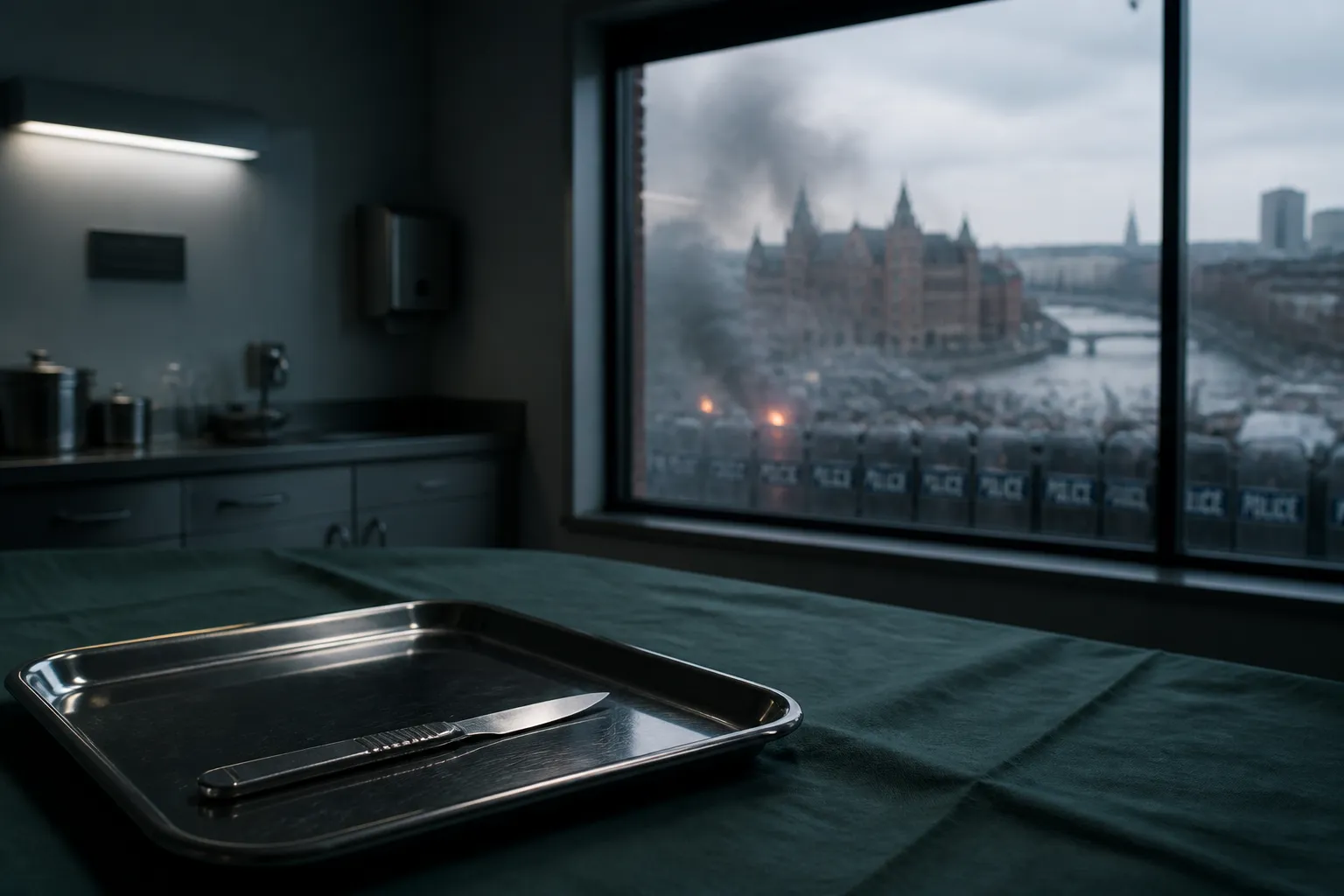
The attack sparked widespread unrest in Belfast. Riots erupted on June 9, with residents setting fire to vehicles, businesses, and properties believed to house asylum seekers. The disturbances spread to other parts of Northern Ireland, as well as to Glasgow, Edinburgh, and Southampton. Police used water cannons and tear gas to disperse crowds, and several arrests were made. No evidence has emerged that paramilitary groups organized the violence.
The incident has drawn attention to the broader debate over immigration and asylum policy in the United Kingdom. The Home Office confirmed that Alodid had been granted leave to remain until 2028, but the case has prompted calls for a review of the fast‑track asylum process. In the wake of the riots, local councils have increased police presence in high‑risk areas and have worked with community groups to address tensions.
Ogilvie’s parents reported that he has emerged from the induced coma but remains in intensive care. They noted that he may lose sight in his right eye and that he will need ongoing medical support and equipment. The family has set up a GoFundMe campaign to help cover the costs of his recovery. The suspect, Hadi Alodid, is scheduled to appear before the Belfast Crown Court on June 20. Police are continuing investigations into the riots, and the Home Office is reviewing the circumstances that led to the attack.
The attack follows a series of high‑profile incidents involving violence and immigration in the United Kingdom. In 2025, the murder of Henry Nowak, a 16‑year‑old, by a Sikh teenager, sparked national debate over policing and youth violence. In 2024, a crossbow attack on a University of Surrey employee by a Saudi national raised concerns about security at educational institutions. These events, combined with the Belfast attack, have intensified scrutiny of how the UK manages asylum seekers and the safety of communities.
Officials say the investigation into the riots will continue, with police reviewing evidence from surveillance footage and witness statements. The Home Office has announced it will conduct a review of the circumstances that allowed the suspect to remain in the country after his arrival. The Crown Court is expected to deliver a verdict on the murder charge in the coming weeks. Meanwhile, community leaders in Belfast are calling for dialogue between residents and local authorities to prevent further violence.
The attacker, identified as Hadi Alodid, a 30‑year‑old Sudanese national, was arrested shortly after the incident. Alodid entered Northern Ireland in 2023 and was granted leave to remain until 2028 under the asylum system. He is charged with attempted murder and is currently held in custody pending a court hearing.
Video footage of the attack, showing Alodid holding a knife near Ogilvie’s head, circulated on social media within hours. The footage was described by witnesses as showing an attempt to behead the victim. The incident prompted an immediate police response and led to the suspect’s arrest.
The attack sparked widespread unrest in Belfast. Riots erupted on June 9, with residents setting fire to vehicles, businesses, and properties believed to house asylum seekers. The disturbances spread to other parts of Northern Ireland, as well as to Glasgow, Edinburgh, and Southampton. Police used water cannons and tear gas to disperse crowds, and several arrests were made. No evidence has emerged that paramilitary groups organized the violence.
The incident has drawn attention to the broader debate over immigration and asylum policy in the United Kingdom. The Home Office confirmed that Alodid had been granted leave to remain until 2028, but the case has prompted calls for a review of the fast‑track asylum process. In the wake of the riots, local councils have increased police presence in high‑risk areas and have worked with community groups to address tensions.
Ogilvie’s parents reported that he has emerged from the induced coma but remains in intensive care. They noted that he may lose sight in his right eye and that he will need ongoing medical support and equipment. The family has set up a GoFundMe campaign to help cover the costs of his recovery. The suspect, Hadi Alodid, is scheduled to appear before the Belfast Crown Court on June 20. Police are continuing investigations into the riots, and the Home Office is reviewing the circumstances that led to the attack.
The attack follows a series of high‑profile incidents involving violence and immigration in the United Kingdom. In 2025, the murder of Henry Nowak, a 16‑year‑old, by a Sikh teenager, sparked national debate over policing and youth violence. In 2024, a crossbow attack on a University of Surrey employee by a Saudi national raised concerns about security at educational institutions. These events, combined with the Belfast attack, have intensified scrutiny of how the UK manages asylum seekers and the safety of communities.
Officials say the investigation into the riots will continue, with police reviewing evidence from surveillance footage and witness statements. The Home Office has announced it will conduct a review of the circumstances that allowed the suspect to remain in the country after his arrival. The Crown Court is expected to deliver a verdict on the murder charge in the coming weeks. Meanwhile, community leaders in Belfast are calling for dialogue between residents and local authorities to prevent further violence.