Blab News
New York State Delays Reparations Commission Report to 2029 Amid Budget Shortfall
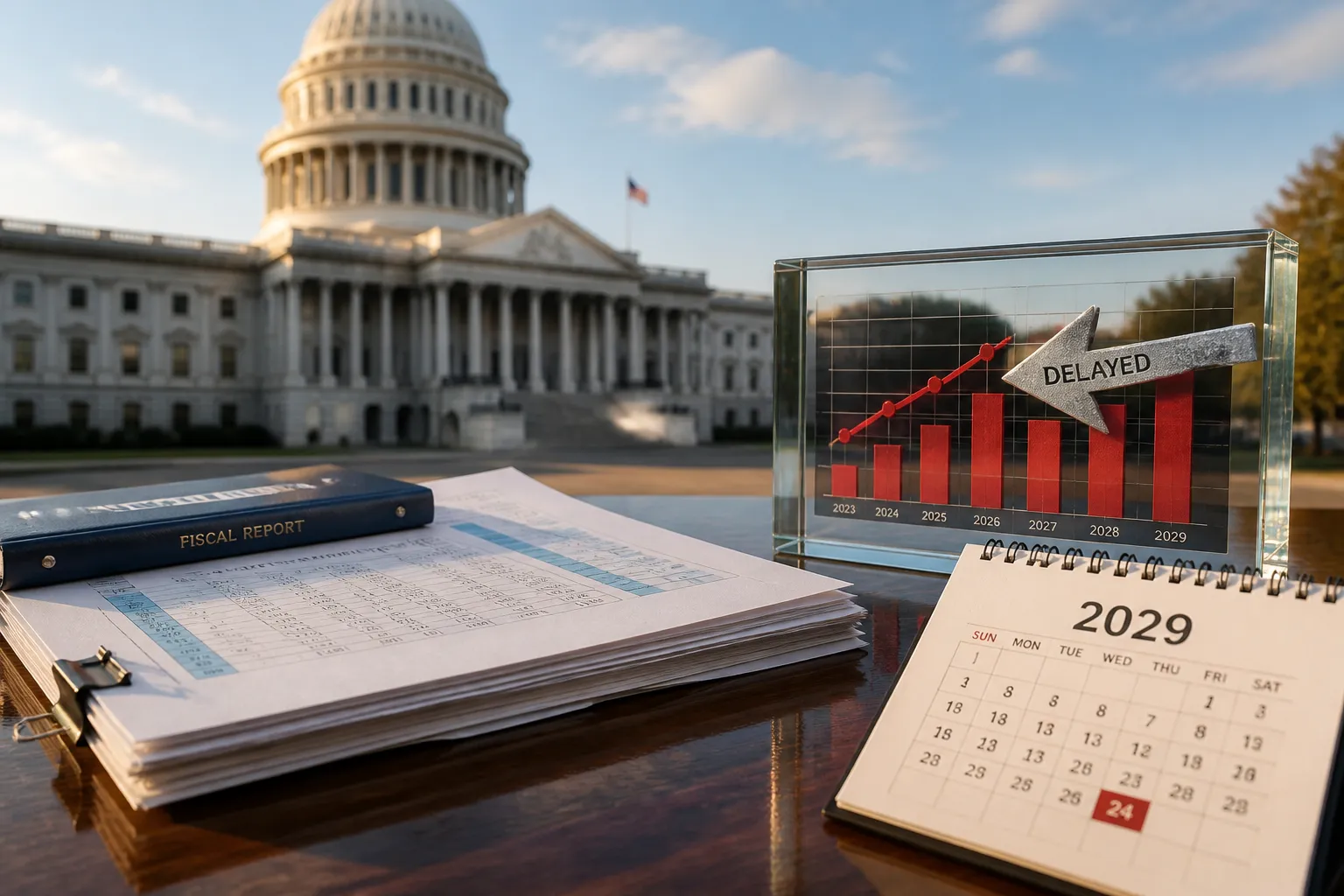
In a move that will keep the debate over reparations in the spotlight for years to come, New York State has pushed back the deadline for its controversial commission’s final report to 2029.
The New York State Community Commission on Reparations Remedies (NYSCCRR) was created by Governor Kathy Hochul on December 19 2023 to examine the legacy of slavery and subsequent discrimination against people of African descent in the state. A one‑year extension granted in 2024 has now expired, and the commission has announced that the final report will be delivered four years later than originally scheduled.
The commission has held a series of public hearings and business meetings across the state. According to a state press release, meetings in January 2026 took place in Yonkers, Rochester, and Binghamton. A notable hearing on May 30 2026 gave residents a platform to present evidence and arguments. During that session, several Black New Yorkers demanded $800,000 checks each, citing the historical injustice of slavery that ended in the state in 1827.
New York’s fiscal situation is a key factor in the delay. The state’s budget documents show a $268 billion budget for the fiscal year and a projected $32 billion cash shortfall through 2030. Officials have indicated that the state has no available funds to support a reparations program, and that the fiscal constraints will likely limit any payments. The commission’s mandate is strictly to study the historical context and recommend possible remedies; it does not include allocating funds.
Historical context is central to the commission’s work. Slavery was legally abolished in New York in 1827 after a gradual emancipation law passed in 1799. The last enslaved individuals were freed on July 4 1827, a date commemorated by the state’s Emancipation Day celebrations. The commission’s study will examine how the legacy of that era continues to affect communities today.
Legal and constitutional considerations also shape the commission’s work. The Justice Department has indicated that reparations programs based on race may be unconstitutional. A federal case against an Evanston, Illinois program that sought to pay Black residents for housing discrimination illustrates the legal challenges that could arise. No federal reparations program has been enacted, and the state’s commission must navigate these constraints.
Public reaction to the commission’s work has been mixed. While some community members advocate for direct payments, others emphasize broader systemic reforms such as improving public schools, reducing crime, and creating economic opportunities. The commission’s hearings have highlighted the diversity of opinions and the complexity of translating historical analysis into policy.
At present, the NYSCCRR has no decision on reparations payments and will continue to gather evidence and consult stakeholders. The next public hearings are scheduled for the coming months, and the commission’s final report is now expected in 2029. State budget negotiations and fiscal projections will likely influence any future legislative action on reparations. The commission’s findings may inform policy discussions, but the state’s fiscal position and legal constraints suggest that immediate payments are unlikely.
In summary, the New York State Community Commission on Reparations Remedies has postponed its final report to 2029, following a prior extension that has now expired. The state’s budget shortfall and legal uncertainties mean that no reparations payments are currently planned. The commission will continue to hold hearings and develop recommendations, but any policy outcome will depend on future legislative and fiscal decisions.
The New York State Community Commission on Reparations Remedies (NYSCCRR) was created by Governor Kathy Hochul on December 19 2023 to examine the legacy of slavery and subsequent discrimination against people of African descent in the state. A one‑year extension granted in 2024 has now expired, and the commission has announced that the final report will be delivered four years later than originally scheduled.
The commission has held a series of public hearings and business meetings across the state. According to a state press release, meetings in January 2026 took place in Yonkers, Rochester, and Binghamton. A notable hearing on May 30 2026 gave residents a platform to present evidence and arguments. During that session, several Black New Yorkers demanded $800,000 checks each, citing the historical injustice of slavery that ended in the state in 1827.
New York’s fiscal situation is a key factor in the delay. The state’s budget documents show a $268 billion budget for the fiscal year and a projected $32 billion cash shortfall through 2030. Officials have indicated that the state has no available funds to support a reparations program, and that the fiscal constraints will likely limit any payments. The commission’s mandate is strictly to study the historical context and recommend possible remedies; it does not include allocating funds.
Historical context is central to the commission’s work. Slavery was legally abolished in New York in 1827 after a gradual emancipation law passed in 1799. The last enslaved individuals were freed on July 4 1827, a date commemorated by the state’s Emancipation Day celebrations. The commission’s study will examine how the legacy of that era continues to affect communities today.
Legal and constitutional considerations also shape the commission’s work. The Justice Department has indicated that reparations programs based on race may be unconstitutional. A federal case against an Evanston, Illinois program that sought to pay Black residents for housing discrimination illustrates the legal challenges that could arise. No federal reparations program has been enacted, and the state’s commission must navigate these constraints.
Public reaction to the commission’s work has been mixed. While some community members advocate for direct payments, others emphasize broader systemic reforms such as improving public schools, reducing crime, and creating economic opportunities. The commission’s hearings have highlighted the diversity of opinions and the complexity of translating historical analysis into policy.
At present, the NYSCCRR has no decision on reparations payments and will continue to gather evidence and consult stakeholders. The next public hearings are scheduled for the coming months, and the commission’s final report is now expected in 2029. State budget negotiations and fiscal projections will likely influence any future legislative action on reparations. The commission’s findings may inform policy discussions, but the state’s fiscal position and legal constraints suggest that immediate payments are unlikely.
In summary, the New York State Community Commission on Reparations Remedies has postponed its final report to 2029, following a prior extension that has now expired. The state’s budget shortfall and legal uncertainties mean that no reparations payments are currently planned. The commission will continue to hold hearings and develop recommendations, but any policy outcome will depend on future legislative and fiscal decisions.