Blab News
Andy Burnham Wins Makerfield By-Election, Paving Way for Labour Leadership Challenge
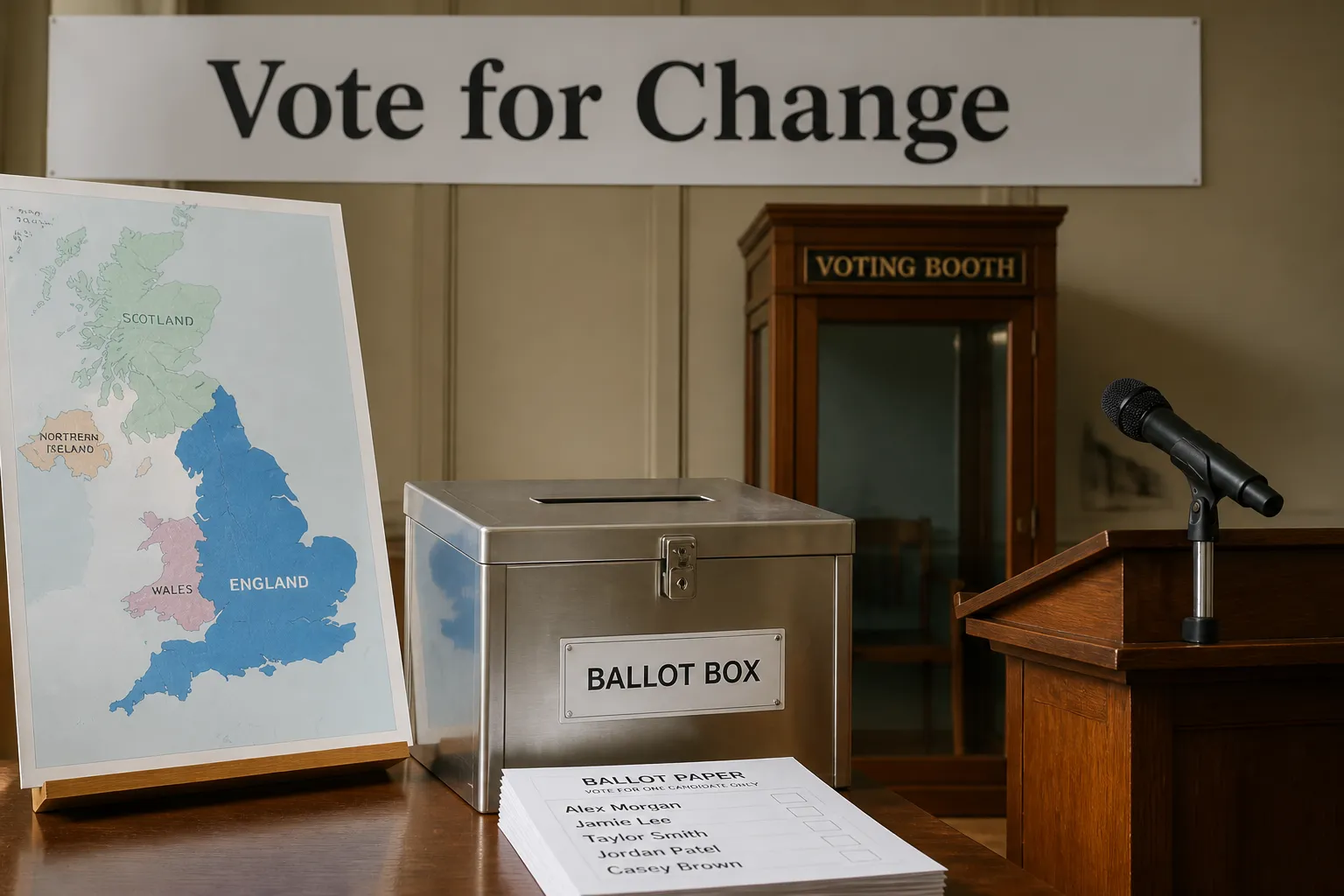
On June 18 2026, former Greater Manchester mayor Andy Burnham captured the Makerfield seat with a decisive 54.8 % of the vote, translating to 24,937 ballots cast in his favour. Reform UK’s Robert Kenyon finished a distant second with 34.5 % (15,696 votes), leaving Burnham with a margin of 9,231 votes. The result also set a new benchmark for engagement, as 58.7 % of eligible voters turned out—making it the highest‑turnout UK by‑election in recent memory.
Makerfield has been a Labour stronghold since 1997, but the constituency was rattled by a sweeping Reform UK victory in the May 2026 local elections, when the party seized 24 of 25 seats on Wigan council. In the by‑election, Burnham’s margin exceeded many analysts’ expectations. Even when the combined votes for Reform and the newcomer Restore Britain (3,111 votes) were tallied, they fell far short of his total. A wave of tactical voting—particularly from Liberal Democrat, Green and Conservative supporters—helped keep Reform on the sidelines and propelled Burnham to victory.
The outcome has been widely interpreted as a launchpad for a challenge to Prime Minister Keir Starmer, who has seen his approval ratings slip in recent months. Starmer, who has led Labour and the government since 2024, has pledged to fight any leadership contest. Labour’s constitution requires 81 MPs—20 % of the parliamentary party—to back a challenger before a leadership election can be triggered. According to The Guardian, almost 100 MPs have called for Starmer’s resignation, and up to 200 MPs might sign nomination papers for Burnham.
Burnham’s campaign combined the party’s organisational muscle with a “place‑not‑party” message. While Labour spent £36,000 on 98 posts and videos, fewer than 3 % of that content mentioned the party by name. The Times described the mayor’s strategy as “soft‑left” and “Blairite,” positioning him as a “new politics” figure who could appeal beyond traditional Labour voters. The high turnout was attributed to a surge in tactical voting, with Liberal Democrat and Green supporters choosing Burnham to keep Reform out of the seat.
Burnham’s résumé is extensive: two decades as MP for Leigh, a decade as Greater Manchester mayor, and a brief stint as Health Secretary in the Brown government. He has long been labeled a “soft‑left” politician, but his recent policy proposals—such as cutting the welfare bill to fund defence—have drawn criticism for aligning with the party’s fiscal stance. In a recent interview with the Times, he said he was not “squeamish” about reducing the welfare bill and that defence and security were top priorities.
With a parliamentary seat now in his hands, Burnham is well positioned to mount a leadership challenge. Starmer’s commitment to fight any contest does not preclude a leadership election, especially as MPs press for change and the party’s polling numbers continue to wane. The current political landscape suggests that a leadership election could be on the horizon, with the outcome determining whether Labour remains under Starmer’s stewardship or pivots toward a new direction under Burnham’s candidacy.
Beyond the internal party dynamics, the result reverberates across the broader political arena. Makerfield’s swing illustrates the growing volatility in traditionally safe seats, a trend that mirrors the 2025 general election’s unpredictable outcomes. Analysts point out that the tactical voting that secured Burnham’s win could signal a shift in how voters engage with minor parties, especially Reform UK, whose surge in local elections raised concerns about fragmentation on the political right.
Moreover, the turnout spike underscores a heightened public interest in the by‑election. Political commentators note that a 58.7 % turnout is uncommon for a single‑seat contest, suggesting that voters were motivated by the perceived stakes—both locally, with the possibility of a new MP influencing Wigan’s future, and nationally, with implications for the Labour Party’s leadership. This level of engagement may influence how parties approach future by‑elections, possibly prompting increased resource allocation and targeted messaging.
At this juncture, Burnham’s victory is a clear signal that the Labour Party is not immune to internal pressure, and that the electorate is ready for change. The next weeks will see MPs formalise their support, if they choose, and the party’s leadership election machinery will be set in motion. Whether Starmer ultimately remains at the helm or a new leader emerges under Burnham’s name will hinge on the formal endorsement process, the outcome of internal ballots, and the broader political calculations that shape the next phase of the party’s trajectory.
Makerfield has been a Labour stronghold since 1997, but the constituency was rattled by a sweeping Reform UK victory in the May 2026 local elections, when the party seized 24 of 25 seats on Wigan council. In the by‑election, Burnham’s margin exceeded many analysts’ expectations. Even when the combined votes for Reform and the newcomer Restore Britain (3,111 votes) were tallied, they fell far short of his total. A wave of tactical voting—particularly from Liberal Democrat, Green and Conservative supporters—helped keep Reform on the sidelines and propelled Burnham to victory.
The outcome has been widely interpreted as a launchpad for a challenge to Prime Minister Keir Starmer, who has seen his approval ratings slip in recent months. Starmer, who has led Labour and the government since 2024, has pledged to fight any leadership contest. Labour’s constitution requires 81 MPs—20 % of the parliamentary party—to back a challenger before a leadership election can be triggered. According to The Guardian, almost 100 MPs have called for Starmer’s resignation, and up to 200 MPs might sign nomination papers for Burnham.
Burnham’s campaign combined the party’s organisational muscle with a “place‑not‑party” message. While Labour spent £36,000 on 98 posts and videos, fewer than 3 % of that content mentioned the party by name. The Times described the mayor’s strategy as “soft‑left” and “Blairite,” positioning him as a “new politics” figure who could appeal beyond traditional Labour voters. The high turnout was attributed to a surge in tactical voting, with Liberal Democrat and Green supporters choosing Burnham to keep Reform out of the seat.
Burnham’s résumé is extensive: two decades as MP for Leigh, a decade as Greater Manchester mayor, and a brief stint as Health Secretary in the Brown government. He has long been labeled a “soft‑left” politician, but his recent policy proposals—such as cutting the welfare bill to fund defence—have drawn criticism for aligning with the party’s fiscal stance. In a recent interview with the Times, he said he was not “squeamish” about reducing the welfare bill and that defence and security were top priorities.
With a parliamentary seat now in his hands, Burnham is well positioned to mount a leadership challenge. Starmer’s commitment to fight any contest does not preclude a leadership election, especially as MPs press for change and the party’s polling numbers continue to wane. The current political landscape suggests that a leadership election could be on the horizon, with the outcome determining whether Labour remains under Starmer’s stewardship or pivots toward a new direction under Burnham’s candidacy.
Beyond the internal party dynamics, the result reverberates across the broader political arena. Makerfield’s swing illustrates the growing volatility in traditionally safe seats, a trend that mirrors the 2025 general election’s unpredictable outcomes. Analysts point out that the tactical voting that secured Burnham’s win could signal a shift in how voters engage with minor parties, especially Reform UK, whose surge in local elections raised concerns about fragmentation on the political right.
Moreover, the turnout spike underscores a heightened public interest in the by‑election. Political commentators note that a 58.7 % turnout is uncommon for a single‑seat contest, suggesting that voters were motivated by the perceived stakes—both locally, with the possibility of a new MP influencing Wigan’s future, and nationally, with implications for the Labour Party’s leadership. This level of engagement may influence how parties approach future by‑elections, possibly prompting increased resource allocation and targeted messaging.
At this juncture, Burnham’s victory is a clear signal that the Labour Party is not immune to internal pressure, and that the electorate is ready for change. The next weeks will see MPs formalise their support, if they choose, and the party’s leadership election machinery will be set in motion. Whether Starmer ultimately remains at the helm or a new leader emerges under Burnham’s name will hinge on the formal endorsement process, the outcome of internal ballots, and the broader political calculations that shape the next phase of the party’s trajectory.